
Plants
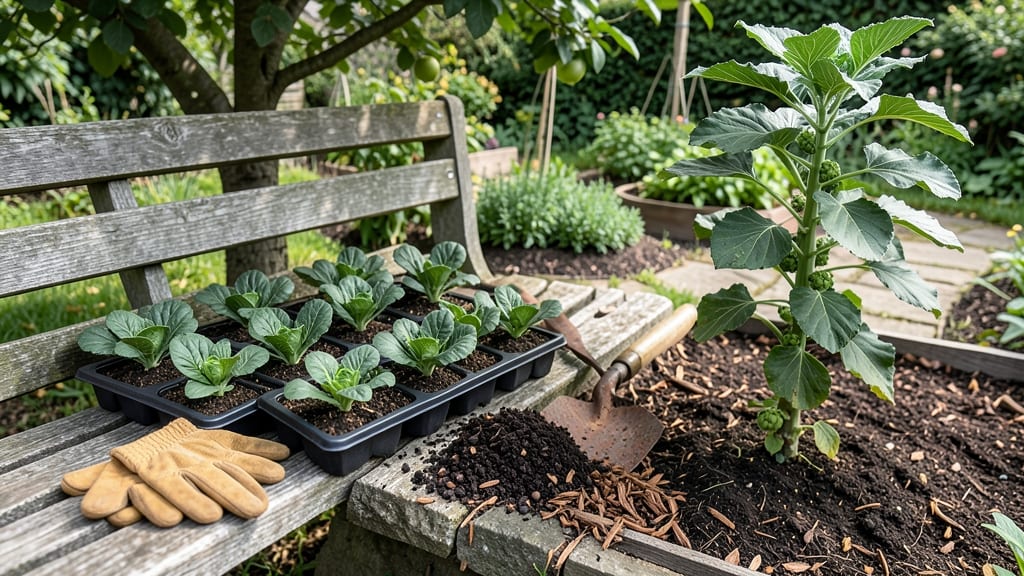
Timing your 🥦 Brussel sprouts planting in Indiana isn’t just a guess—it’s the difference between a garden full of sweet, flavorful harvests and one that barely makes it through the season. These cool-weather crops demand precision, especially when Indiana’s unpredictable frosts and heat waves come into play.
Most gardeners in Zone 6a get it right with two plantings: one in spring (mid-April to late June) and another in late summer (July to early August).
But here’s the catch—plant too early, and your sprouts bolt in the heat; too late, and frost steals your harvest before it even starts.
I’ll walk you through the exact windows, soil prep tricks, and how to adjust for Indiana’s microclimates—so you can avoid common mistakes and enjoy fresh 🥦 Brussel sprouts from October straight through winter.
Ready to master the schedule? Let’s dive into the step-by-step plan that’s worked for Indiana gardeners for years.
Optimal planting windows for Brussel sprouts in Indiana’s climate zones
Indiana’s USDA Zones 5-6 create a unique growing environment for Brussel sprouts, where cool nights and warm days produce sweet, flavorful harvests. The key to success lies in planting during two distinct windows: early spring and late summer.
Each window takes advantage of Indiana’s variable frost dates and heat sensitivity risks, ensuring your plants mature before extreme weather strikes.
Most Indiana gardeners achieve two bountiful harvests per year by following these schedules. The first planting in April-May yields sprouts in fall and early winter, while the second planting in July-August produces harvests in late fall.
This dual approach maximizes your garden’s potential while avoiding the heat stress that can turn sprouts bitter during summer months.
Indiana’s average last frost date falls around April 15, but microclimates—especially in northern Indiana (Zone 5)—can delay this by weeks. Southern Indiana (Zone 6) may see earlier soil warmth, allowing for earlier plantings. Always check your local Purdue Extension frost maps to fine-tune your schedule.
Avoid planting Brussel sprouts in late spring (June), as the heat can cause bolting (premature flowering) or bitter flavors. Similarly, fall plantings after August 15 risk immature harvests before the first frost.
Sticking to the two recommended windows ensures your plants have enough time to mature fully before winter sets in.
| Planting Window | Ideal Planting Dates (Indiana Zones 5-6) | Key Considerations | Harvest Window |
|---|---|---|---|
| Early Spring | Mid-April to Late May | Soil temp: 45-50°F; avoid late frosts (use row covers) | October to December |
| Late Summer | Late July to Early August | Plant 8-10 weeks before first frost; avoid heat stress | November to Early December |
| ⚠️ Avoid | June to Early July | Risk of bolting; bitter sprouts from heat | Poor yields or inedible harvests |
For direct sowing, start seeds indoors 6-8 weeks before your target outdoor planting date. Use biodegradable pots to transplant seedlings outdoors without disturbing roots. Harden off seedlings by placing them outdoors for 2-3 hours daily for a week before full transplantation.
This gradual transition helps them adapt to Indiana’s variable weather.
Northern Indiana gardeners (Zone 5) should err on the later side of planting windows due to cooler soils. For example, delay spring plantings until late April to avoid soil frost, which can stunt seedling growth.
In contrast, Zone 6 gardeners can plant as early as mid-April and still enjoy a longer growing season.
Brussel sprouts thrive in cool temperatures (50-75°F), making them perfect for Indiana’s fall harvests. If you’re planting in late summer, choose compact varieties like 'Ruby Ball' to ensure they mature before frost. These varieties also handle Indiana’s humidity better than taller types, reducing the risk of disease.
Always test your soil pH (6.0-7.0) before planting. Amend with compost or aged manure to improve drainage and fertility. Well-prepared soil helps Brussel sprouts establish quickly, giving them a head start against Indiana’s unpredictable weather shifts. Mulch with straw or leaves to retain moisture and regulate soil temperature.
Remember: Patience is key with Brussel sprouts. They take 90-120 days to mature, so plan accordingly. By following these Indiana-specific planting windows, you’ll enjoy a garden full of sweet, homegrown sprouts from fall through winter—just in time for holiday meals! 🥦
How to adjust your planting schedule for Indiana’s unpredictable weather
Indiana’s weather can throw even the most experienced gardeners for a loop—one day it’s 60°F and sunny, the next it’s 32°F with frost. For 🥦 Brussel sprouts, these swings mean the difference between a thriving harvest and a failed crop.
The key? Flexibility in your schedule and smart adjustments based on real-time conditions.
Most gardeners stick to two plantings: spring (mid-April to late June) and late summer (July to early August). But when Indiana’s last frost arrives late or early frosts sneak in sooner than expected, those timelines need tweaking.
I’ve learned the hard way—skipping soil temperature checks or ignoring weather forecasts can leave your seedlings vulnerable.
Planting 🥦 Brussel sprouts too early in spring (before April 15) risks frost damage. Use row covers if temps dip below 40°F. For fall plantings, aim for 8-10 weeks before first frost—typically by July 20 in most of Indiana.
Start by checking your soil temperature—Brussel sprouts won’t germinate well below 45°F. Use a soil thermometer to confirm readiness. If your soil is still chilly in April, opt for transplants instead of direct sowing; they establish faster in cooler conditions.
I’ve had success with 6-week-old seedlings from local nurseries, giving them a head start.
For backup planting dates, keep these in mind: If spring frosts linger past May 1, shift your first planting to mid-May. Similarly, if summer heat arrives early, delay your fall planting to late July to avoid bolting.
Always monitor Purdue Extension’s frost forecasts—their Indiana Climate Smart tool is a game-changer for local adjustments.
Protect seedlings from late frosts with floating row covers or cloche tunnels. I’ve used lightweight fabric covers to shield young plants during 28-32°F nights, which can extend your growing window by 2-3 weeks. Remove covers during the day to prevent overheating—Brussel sprouts need full sun to thrive.
To extend your harvest window, succession plant every 2-3 weeks after your initial date. This staggered approach ensures a steady supply of 🥦 Brussel sprouts from October through December.
Pair this with mulching to insulate roots and water consistently—even in fall, drought stress weakens plants. With these adjustments, you’ll turn Indiana’s unpredictable weather into an advantage.