
Plants
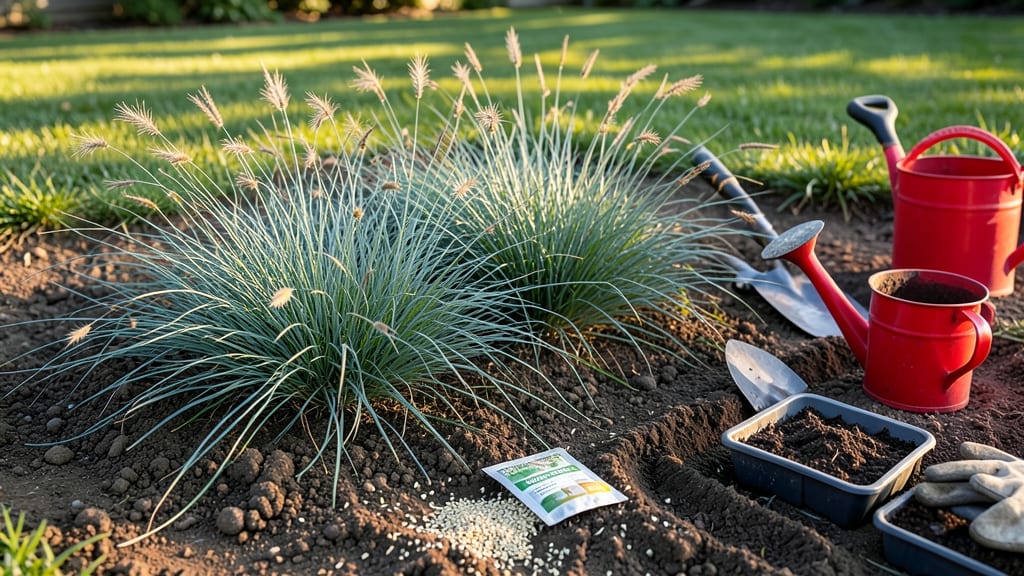
Planting buffalo grass seed in Kansas at the wrong time can leave you staring at bare soil for months—especially when summer heat or winter frost strikes too soon.
The key to a thriving 🌱 buffalo grass lawn lies in timing it right, whether you're in USDA zone 5b or 7a, where temperatures swing wildly between 60°F and 90°F+ in just a few months.
Most Kansas gardeners swear by late summer to early fall (August-September) as the sweet spot, but there’s a second window in early spring that works too—if you act fast before the soil warms.
I’ve tested both methods, and the difference between a lush, drought-resistant lawn and a patchy disappointment often comes down to these exact months and soil conditions.
Why does timing matter so much? Buffalo grass needs consistent moisture and cooler temps to germinate properly, and Kansas’ unpredictable weather can throw off even the best-laid plans.
I’ll walk you through the exact months to plant, plus how to prep your soil and avoid common mistakes that kill seed before it takes hold.
Skip the guesswork and get your lawn off to the right start—because once you nail the timing, your buffalo grass will establish roots faster, survive droughts with ease, and give you that low-maintenance green you’ve been dreaming of. Let’s dive into the details.
Best planting months for buffalo grass seed in Kansas (with temperature zones)
Kansas gardeners know timing is everything—especially when planting buffalo grass seed. This native grass thrives in Kansas’ USDA Zones 5b-7a, but planting too early or late can lead to poor germination or drought stress.
The ideal window is late summer to early fall, when soil temperatures hover between 60-70°F and rainfall is consistent.
For most of Kansas, the best months to plant are March–April (early spring) or September (late summer). These windows align with the grass’s natural growth cycle, ensuring strong root establishment before winter dormancy.
However, western Kansas (Zone 6a) benefits more from September planting, while eastern Kansas (Zone 7a) can extend into early October.
Here’s why timing matters: Buffalo grass germinates best when soil temps are stable, and planting in extreme heat (June–August) risks seed desiccation. Meanwhile, fall planting gives seedlings time to develop roots before winter’s first frost (typically mid-October in Kansas).
Kansas’ microclimates also play a role. Southern Kansas (e.g., Wichita) can plant slightly later due to warmer soils, while northern regions (e.g., Topeka) should aim for earlier windows to avoid early frosts. Always check local frost dates—your county extension office is a great resource.
Now, let’s compare the two best planting windows side by side to help you decide which works best for your Kansas location.
| Planting Window | Best For | Soil Temp | Rainfall | Root Establishment | Drought Risk |
|---|---|---|---|---|---|
| March–April (Early Spring) | Eastern Kansas (Zone 7a) | 55–65°F | Moderate (spring rains) | Strong (6–8 weeks) | Low (spring moisture) |
| September (Late Summer) | Western Kansas (Zone 6a) | 60–70°F | Consistent (fall rains) | Very Strong (8–10 weeks) | Minimal (cooler temps) |
| October (Early Fall) | Southern Kansas (Zone 7a) | 50–60°F | High (fall rains) | Moderate (5–7 weeks) | None (winter dormancy) |
If you’re in eastern Kansas, March–April planting is ideal because the soil warms quickly, and spring rains provide moisture.
However, western Kansas gardeners should prioritize September to avoid summer drought stress. Southern Kansas can push into early October, but avoid planting after mid-October—seedlings won’t have enough time to establish roots before winter.
Pro tip: Use a soil thermometer to confirm temps are in the 60–70°F range before planting. If your soil is too cold (<55°F), germination will be slow or nonexistent. Kansas’ changing weather patterns mean checking forecasts weekly is key—delay planting if a heatwave or drought is forecasted.
After planting, consistent moisture is critical for the first 4–6 weeks. Buffalo grass has deep roots, but seedlings need 1–1.5 inches of water weekly (or bi-weekly in established lawns). Use a rain gauge to track rainfall—Kansas’ erratic storms can make over- or under-watering easy mistakes.
Once your buffalo grass is established (typically by late summer of the first year), it becomes drought-resistant and requires minimal care. But getting that first planting right?
That’s all about timing, soil prep, and patience. With the right window, your Kansas lawn will be lush and low-maintenance in no time.
🌱
How to prepare Kansas soil for buffalo grass seed (step-by-step guide)
Preparing your Kansas soil for buffalo grass seed is the foundation for a thriving, drought-resistant lawn. Kansas’ windy conditions and variable rainfall demand careful prep to ensure proper seed-to-soil contact and prevent erosion.
Start by testing your soil’s pH level, which should ideally fall between 6.0 and 7.5 for optimal germination.
Buffalo grass thrives in well-draining soil, so avoid compacted or clay-heavy areas. If your soil tests too acidic or alkaline, amend it with lime or sulfur as needed.
Kansas’ USDA zones 5b-7a mean soil temps can fluctuate wildly, so timing your prep work is just as critical as the planting itself.
Step-by-Step Soil Prep Guide
Use a soil test kit (available at local garden centers) to check pH. Aim for 6.0–7.5. Adjust with lime (for acidic soil) or sulfur (for alkaline soil) 4–6 weeks before planting.
Remove all rocks, weeds, and plant debris from the area. Use a broadfork or tiller to loosen soil to a 4-inch depth. Kansas’ windy conditions make this step crucial to prevent erosion.
Mix in 2–3 inches of compost or well-rotted manure to improve soil structure and fertility. This step is especially important in sandy or clay-heavy Kansas soils to retain moisture.
Rake the area smooth to create a firm, even surface. Use a lawn roller to compact the soil lightly, ensuring seeds make contact with the earth. This prevents wind erosion and promotes uniform germination.
After prepping, water the soil lightly to settle it before planting. Kansas’ drought-prone climate means maintaining moisture is key—keep the soil consistently damp (not soggy) until seeds germinate, which typically takes 10–21 days. Mulching with straw or peat moss helps retain moisture and protect seeds from wind.
With your soil properly prepped, your buffalo grass seed will have the best chance to establish strong roots before Kansas’ harsh winters or summer droughts test its resilience. 🌱