
Plants
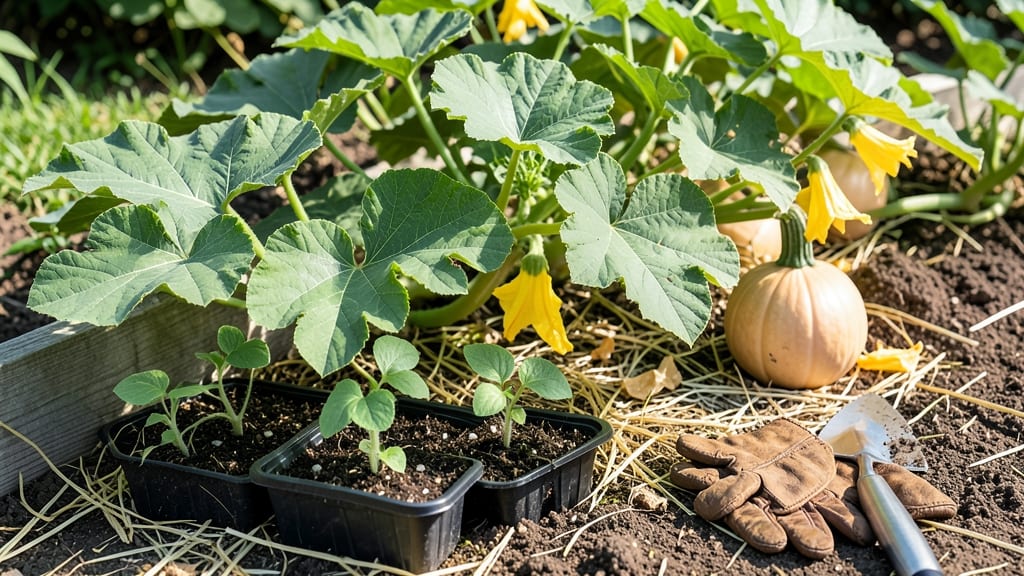
Timing your Butternut Squash 🎃 planting in North Carolina isn’t just about avoiding frost—it’s about matching your garden’s rhythm with the state’s unpredictable shifts from mountain chill to coastal heat.
Plant too early, and a late frost will turn your seedlings into sad, wilted memories; too late, and you’ll miss the sweet spot for a bountiful harvest before winter sets in.
What if I told you the perfect window depends on whether you’re in the cooler 6b zones of the mountains or the warmer 8a coasts? The answer lies in understanding your county’s last frost date—and how to work with it, not against it.
Whether you’re starting seeds indoors or dropping them straight into the soil, these frost-free timelines will help you plan for success.
Let’s break it down: in Raleigh’s 7b zone, you’ve got about 6 weeks after the last frost to get seeds in the ground for a fall harvest, while in Asheville’s 6b, you’ll need to act even faster.
And if you’re aiming for a second crop, late July is your golden ticket—just don’t wait too long, or your squash will struggle to mature before the first frost.
Ready to stop guessing and start growing? I’ll walk you through the exact planting schedule for your heat zone, plus pro tips to extend your season and avoid common mistakes that NC gardeners make every year. Let’s get those vines thriving!
NC heat zone planting dates for butternut squash by county
North Carolina spans 8 USDA heat zones (5A–8B), creating dramatic differences in frost-free windows for butternut squash. In Zone 5A (mountains like Asheville), you’ve got just 120 frost-free days, while Zone 8B (coastal Wilmington) enjoys 240+ days.
These differences mean your planting window shifts by 6–8 weeks depending on location.
Butternut squash thrives in warm soil (60–65°F) and needs 90–120 days to mature. Plant too early in cooler zones, and frost will kill seedlings; too late, and your harvest won’t ripen before winter. The key is aligning your planting with your last average frost date and first frost date.
Direct sowing is best for NC gardeners—transplants struggle with root shock in our heat. Start seeds 1 inch deep, spacing hills 3–4 feet apart, and choose fast-maturing varieties like ‘Waltham Butternut’ (85 days) for cooler zones or ‘Long Island Cheese’ (100 days) for longer seasons.
For Zone 5A (Asheville), aim for May 1–June 1 planting to ensure harvest before the October 15 frost. In Zone 8B (Wilmington), you can start as early as February 15 and even plant a fall crop in July for a winter harvest.
Always check your local NC State Extension office for microclimate adjustments—val
How to adjust planting for early vs. late harvest goals
Want to stretch your butternut squash harvest from crisp autumn mornings into late fall? The key lies in strategic planting adjustments tailored to NC’s short growing season. By choosing the right varieties and timing, you can enjoy fresh squash from September through November—even in cooler mountain regions.
Let’s break down how to time your plantings for both early and late harvests.
For early harvests, focus on fast-maturing varieties like ‘Waltham Butternut’ (85-day maturity) and start seeds indoors 6-8 weeks before your last frost date. In NC’s Piedmont region, this means sowing seeds by mid-April for a late summer harvest.
Pair this with row covers to protect young plants from unexpected chills and extend the growing window by 2-3 weeks.
Here’s how to maximize your harvest potential with three proven strategies—each designed for NC’s climate quirks:
- Choose fast-maturing varieties like ‘Waltham Butternut’ (85 days) for early harvests or ‘Long Island Cheese’ (100 days) for late-season success.
- Use row covers to push planting dates 2-3 weeks earlier or delay harvests into November by protecting vines from light frosts.
- Succession plant in late July for a fall harvest—ideal for NC’s coastal regions where summers linger warmer.
If you’re aiming for a late harvest, prioritize succession planting in late July. This works best in NC’s coastal and Piedmont zones (7A-8A), where summers stay warm longer.
Plant ‘Long Island Cheese’ or ‘Seminole’ varieties, which mature in 100-120 days, and use black plastic mulch to warm the soil and jumpstart growth. For mountain gardeners (6A-6B), stick to fast varieties and harvest before the first frost hits.
Pro tip: Monitor soil temperatures—butternut squash needs soil at 60°F or warmer to germinate. In cooler zones like Asheville, wait until mid-May for direct sowing or use heat mats to accelerate germination. Pair this with drip irrigation to maintain consistent moisture, especially during flowering (critical for fruit set).
Don’t forget to thin seedlings to 2-3 plants per hill spaced 3-4 feet apart. This gives vines room to sprawl and reduces competition, ensuring larger, healthier squash. Mulch with straw or shredded leaves to retain moisture and suppress weeds—both critical for extending your harvest window.
With these adjustments, you’ll turn NC’s 180-day frost-free window into a 200-day harvest opportunity. Whether you’re chasing early butternuts for Thanksgiving pies or late-season squash for winter storage, timing is everything. Start experimenting with these strategies this year—your future harvest will thank you! 🎃