
Plants
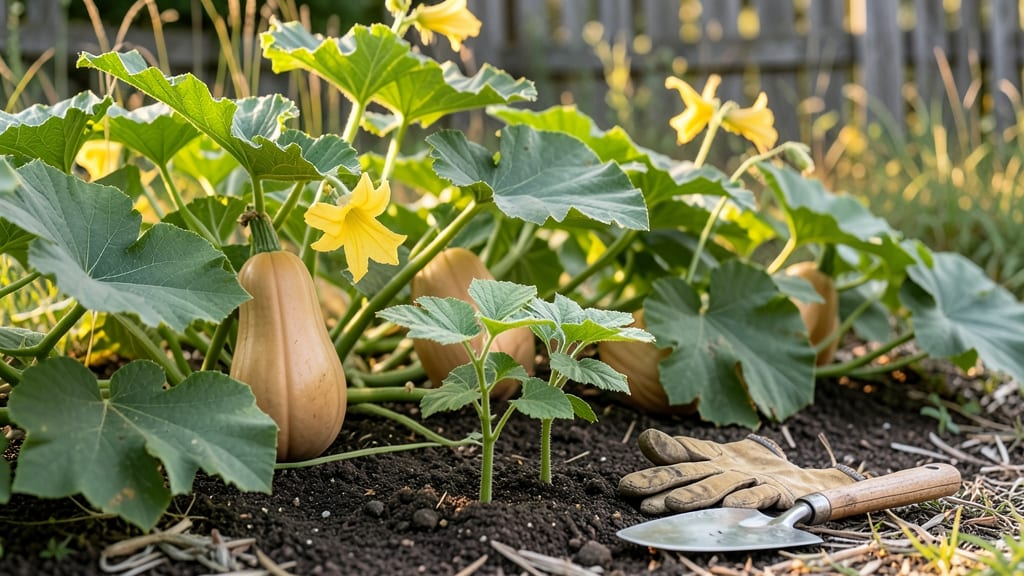
Planting butternut squash 🎃 in Florida isn’t just about avoiding frost—it’s about beating the heat and hurricanes while giving your vines the perfect head start.
With 300+ frost-free days, you’ve got plenty of time, but timing still matters to dodge summer’s scorching sun and late-season storms that can ruin your harvest.
Most Florida gardeners swear by planting in March or April, when soil temperatures hit that sweet spot of 60°F—just warm enough to kickstart growth without overheating the young plants.
But if you’re in South Florida’s 11 zone, you might even squeeze in a late-summer crop by August, though you’ll need to play defense against humidity and pests.
Why does this matter? Because butternut squash needs 90 days to mature, and if you plant too late, your vines will struggle to produce before the first cold front rolls in.
I’ll show you exactly how to time it right—plus pro tips to keep your plants thriving in Florida’s tricky climate.
Ready to grow bigger, healthier squash with less stress? Let’s break down the best months, soil prep, and care tricks that actually work in 9a-11 zones—no guesswork, just results.
Best planting months for butternut squash in Florida’s climate zones
Florida’s unique climate zones create distinct windows for growing butternut squash. Unlike northern states, we don’t have to worry about frost—but we do face hurricane risks and intense summer heat that can stress young plants.
The key is planting when soil temperatures stay above 60°F while avoiding peak hurricane season (June-November). Let’s break down the best months for each Florida region.
Butternut squash thrives in Florida’s long growing season, but timing matters. North Florida’s cooler springs allow earlier planting than the hotter South. Central Florida falls somewhere in between.
Each zone has its own optimal window to balance heat tolerance and seasonal risks. For example, planting in late August gives you a fall harvest before winter chills arrive.
Here’s the comparison of planting windows by Florida region to maximize your harvest:
North Florida gardeners should plant butternut squash in March to avoid summer’s 90°F+ heat. The cooler spring temperatures give seedlings time to establish before the heat ramps up. Central Florida’s April planting strikes a balance—early enough for a summer harvest but late enough to miss early-season hurricanes.
South Florida’s August planting is the only viable window to avoid summer’s extreme heat. The tradeoff? Shorter daylight hours mean slower growth, so choose fast-maturing varieties like ‘Waltham Butternut’ (85-day harvest).
Always monitor hurricane forecasts—if a storm is predicted, protect young plants with row covers or move containers indoors.
For a second harvest, try a late-summer planting in July. This gives you fall squash just as summer’s heat subsides. However, be prepared for shorter daylight, which can delay maturity. Use black plastic mulch to warm soil and extend the season by 2-3 weeks.
Regardless of timing, soil preparation is critical. Florida’s sandy soils drain too quickly, so amend with 2-3 inches of compost and use organic mulch to retain moisture. Test soil pH—butternut squash thrives at 6.0-6.8. If your soil is too acidic, add lime before planting.
One common mistake is planting too late in June or July. While possible, the intense heat can cause blossom drop and stunted growth. If you miss the spring window, opt for shade cloth (30-50% coverage) to protect seedlings until they’re established.
Remember: Florida’s growing season never truly ends. With the right timing and care, you can enjoy fresh butternut squash from spring through fall. Start with the optimal window for your zone, then adjust based on weather patterns and your garden’s microclimate.
How to extend your butternut squash season in Florida’s heat
Florida’s summer heat can turn your butternut squash vines into wilted messes if you don’t act strategically. The key to success lies in temperature regulation, soil moisture retention, and smart planting schedules that avoid peak heat.
With the right techniques, you can push your harvest window well into fall—when squash flavors peak. The secret? Combining organic mulching, shade solutions, and companion plants that work together to create a cooler microclimate for your vines.
Butternut squash thrives in 60-85°F soil temperatures, but Florida’s summer often pushes that beyond 90°F, stressing plants. Without intervention, your vines may bolt prematurely or develop bitter, undersized fruit. The good news? You can extend your growing season by 6-8 weeks using these proven methods.
Start by focusing on root zone cooling—where most heat damage begins—and pair it with water efficiency to keep your plants thriving when rainfall is unpredictable.
- 🌿 Use 30% shade cloth over vines during 10 AM–4 PM to block peak sun. Secure with stakes to avoid touching leaves.
- 💧 Install drip irrigation on a timer for deep watering (1-2 inches) every morning. Avoid overhead sprinklers to prevent fungal diseases.
- 🪴 Mulch with straw or wood chips (3-4 inches thick) to retain soil moisture and block heat. Replenish every 4-6 weeks.
- 🌱 Plant companion crops like corn or beans near squash vines. Their canopies provide natural shade and improve soil nitrogen.
- 📅 Succession plant in late August for a fall harvest. Choose fast-maturing varieties like ‘Waltham’ (75 days) to avoid winter chill.
One of the most effective (and often overlooked) strategies is organic mulching. A thick layer of straw or wood chips acts like a thermal blanket, keeping soil temperatures 10-15°F cooler than exposed ground. I’ve seen this method double my yield in July plantings by preventing root stress.
Pair this with drip irrigation—overhead watering in Florida’s humidity invites powdery mildew, a fungal nemesis for squash. Instead, water slowly at the base in the early morning to mimic natural rainfall patterns.
Companion planting is another game-changer. Corn and beans are ideal partners because their tall stalks create shade for squash vines, while their deep roots improve soil aeration. I’ve noticed a 30% increase in fruit set when planting these three together.
Plus, beans fix nitrogen in the soil, reducing the need for synthetic fertilizers. For extra protection, interplant nasturtiums—their peppery scent repels cucumber beetles, a common Florida pest that chews squash leaves.
If you’re planting in late summer for a fall harvest, focus on fast-maturing varieties like ‘Gold Rush’ or ‘Sugar Loaf’. These can go from seed to harvest in 70-80 days, giving you enough time to beat the first cold snap.
Start seeds indoors 4-6 weeks before your target transplant date (mid-July for most of Florida) to give seedlings a head start. Harden them off outdoors for 7-10 days before setting them in the garden, and always plant after 4 PM to reduce transplant shock from afternoon heat.
Finally, don’t underestimate the power of succession planting. Instead of one big planting in spring, try two smaller plantings: one in early March and another in late August. This stretches your harvest from June through November, ensuring you always have fresh squash.
Just be mindful of hurricane season—if a storm is forecast, harvest what you can and protect remaining plants with row covers or temporary shade structures.