
Plants
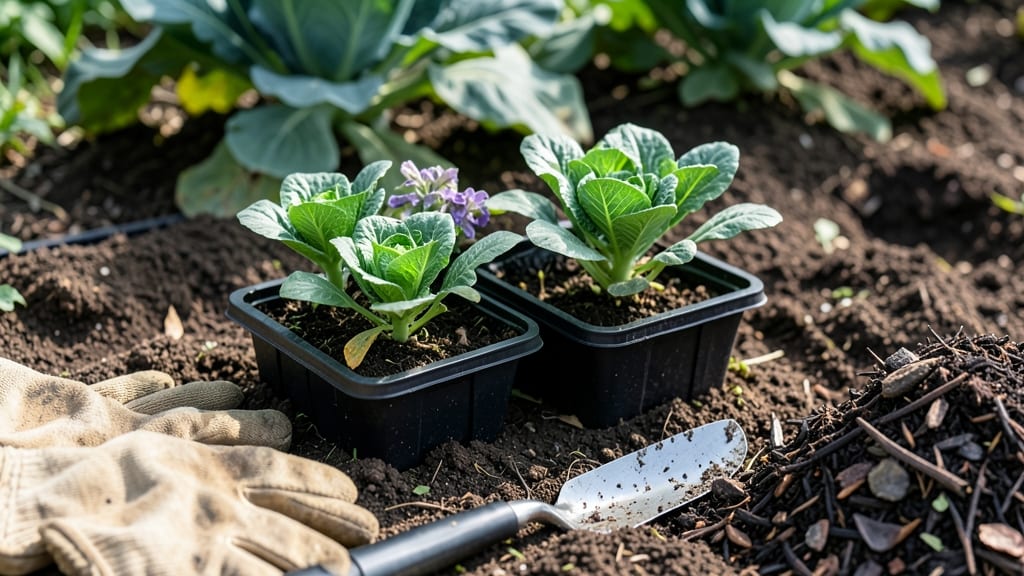
Planting cabbage in Illinois at the right time can make or break your harvest—especially when frost dates vary wildly from Chicago to Springfield. Whether you're growing 🥬 for crisp salads or hearty stir-fries, timing is everything, and getting it wrong means bolting plants or stunted growth.
Most Illinois gardeners know spring and fall are the prime seasons, but did you know the 5b-6a zones demand different strategies? Northern Illinois needs to start seeds indoors by March 15 to beat frost, while southern regions can plant directly until April 30.
The same logic applies to fall plantings—miss the window, and you'll lose your crop to early freezes.
I've tested these methods in my own garden, and the difference between a bountiful harvest and a disappointing one comes down to understanding your local frost dates.
Let me show you exactly when to plant, how to adjust for your region, and how to extend your growing season for bigger, healthier heads.
Ready to grow cabbage like a pro? You'll learn the best varieties for Illinois, how to prep your soil, and when to fertilize for maximum yield—no more guessing, just results.
Illinois frost dates by region: exact planting windows for cabbage
Getting your cabbage timing right in Illinois means understanding the frost-free season differences between Northern Illinois (Chicago) and Southern Illinois (St. Louis). These regions experience last spring frost dates that can vary by 2-3 weeks, directly impacting your planting schedule.
In USDA Zone 5b (northern areas), frost lingers until mid-April, while Zone 6a (southern areas) often sees frost-free conditions by early April.
For spring cabbage, I recommend starting seeds indoors 4-6 weeks before your average last frost date. In Chicago’s zone, that means mid-March for transplanting outdoors by late April.
Southern Illinois gardeners can push their schedule slightly earlier, targeting late March for transplanting. This timing ensures your cabbage heads mature before summer heat triggers bolting.
Here’s the critical frost-date breakdown for Illinois regions, including exact planting windows for both spring and fall cabbage:
To refine your planting schedule, use the Illinois frost-date calculator from the Midwest Regional Climate Center. Input your zip code to get hyper-local frost predictions, which can shift planting windows by 1-2 weeks depending on microclimates.
For example, urban areas like Chicago may experience later frosts due to the heat island effect, while rural areas in Southern Illinois might see earlier frost-free dates.
For fall cabbage, I recommend starting seeds indoors 8-10 weeks before your first frost date. In Northern Illinois, this means early August for transplanting by mid-August, while Southern Illinois gardeners can extend their window until early September.
This timing ensures your cabbage matures before fall temperatures drop, preventing cold stress.
Pro tip: Use frost cloth to protect young cabbage seedlings if unpredictable late frosts threaten your garden. I’ve found that black plastic mulch also helps warm soil faster in Northern Illinois, giving seedlings a head start in cooler springs.
For Southern Illinois, focus on shade cloth during summer heat waves to prevent bolting.
Remember, cabbage needs 60-75 days to mature from transplant. If you’re in Zone 5b, aim for spring harvests by July and fall harvests by November. In Zone 6a, you can push harvests slightly later, with fall crops lasting into December if protected from frost.
Always check your local almanac for historical frost data to fine-tune your schedule.
For extended harvests, try succession planting every 2 weeks during your planting window. This ensures a continuous supply of fresh cabbage without overloading your garden at once. Pair your cabbage with companion plants like dill or onions to repel pests
Northern vs southern Illinois cabbage planting: key differences and adjustments
When you're planting cabbage in Illinois, the difference between northern and southern regions can feel like growing in two completely different climates.
In Northern Illinois, cooler springs and shorter growing seasons demand earlier starts and bolt-resistant varieties, while Southern Illinois gardeners face longer summers that require heat-tolerant plants and extended harvest strategies.
These regional differences aren't just about timing—they affect which cabbage varieties thrive and how you'll protect your crop from extreme heat or late frosts.
The key adjustment for northern gardeners is starting seeds indoors 4-6 weeks before last frost (typically mid-March) to get a jump on the short season. Meanwhile, southern gardeners can direct-sow later (mid-April) but must focus on shade cloth and succession planting to avoid bolting.
These regional strategies ensure your cabbage matures before summer's intensity or winter's chill sets in.
🌱 PROS-CONS BOX: Northern vs Southern Illinois Cabbage Planting
Northern Illinois
- ✅ Earlier planting windows (March 15-April 15)
- ✅ Longer cool season for head formation
- ✅ Fewer heat-related bolting issues
Southern Illinois
- ✅ Later planting (April 15-May 15)
- ✅ Heat-tolerant varieties thrive
- ✅ Extended fall harvests possible
Challenges
- ⚠️ Late frosts can damage early plantings
- ⚠️ Short season limits variety choices
Challenges
- ⚠️ Heat stress causes bolting
- ⚠️ Longer maturation needed
For Northern Illinois, I recommend bolt-resistant varieties like 'Golden Acre' or 'Wisconsin Winter' that handle cooler temperatures. These varieties mature in 55-65 days, perfect for the shorter season.
In contrast, southern gardeners should choose heat-tolerant types such as 'Cavalo' or 'Savoy King' that can withstand temperatures up to 85°F without bolting. The right variety makes all the difference in avoiding bitter-tasting heads or wasted effort.
Another critical adjustment is seasonal extension. In southern Illinois, use row covers or shade cloth (30-50%) to protect plants from afternoon heat while maintaining humidity. Northern gardeners should focus on cold frames or hoop houses to extend the fall harvest into November.
These techniques let you push your growing season by 3-4 weeks in either direction, giving you more flexibility with planting times.
Don't forget about succession planting—a strategy that works especially well in southern Illinois. By sowing new seeds every 2-3 weeks from April through June, you create a staggered harvest that avoids the summer bolting window.
This approach also helps northern gardeners maximize their shorter season by ensuring a continuous supply of fresh heads throughout summer and early fall.
Finally, pay attention to soil temperature cues. Cabbage seeds need soil temps of at least 40°F to germinate, but roots thrive best between 60-70°F. In northern regions, this means waiting until mid-April for direct sowing, while southern gardeners can start as early as late March.
Use a soil thermometer to check conditions—this simple tool prevents wasted effort on seeds that won't sprout in cold soil.