
Plants
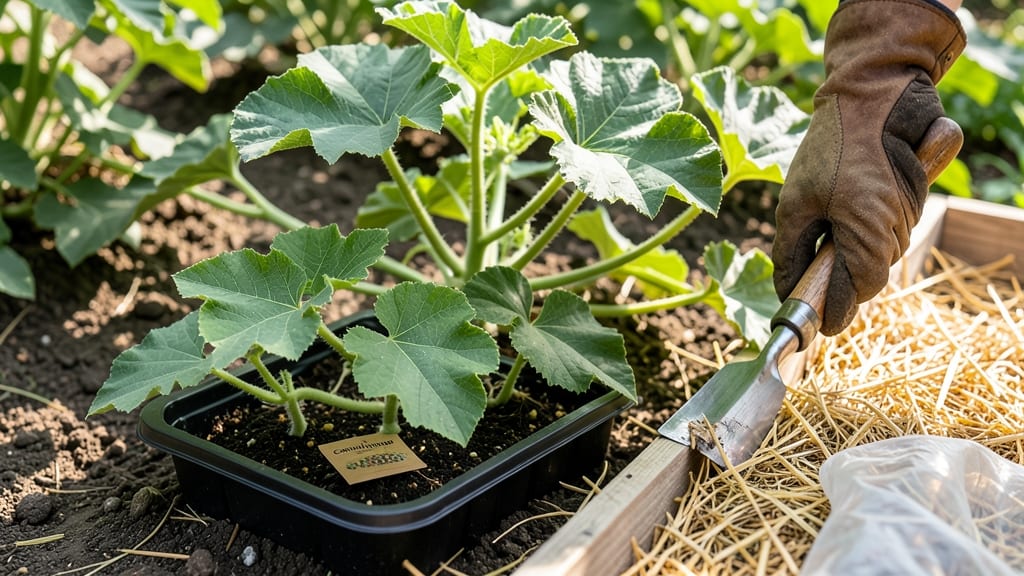
Timing your cantaloupe planting just right in Arkansas means the difference between a bumper crop of sweet 🍈 melons and wasted effort. Plant too soon, and frost will nip your seedlings in the bud; too late, and you’ll miss the prime harvest window when temperatures are perfect for growth.
I’ve grown cantaloupes in Arkansas’s 7a-8a zones for years, and the key is waiting until after the last frost date—typically mid-April to early May—when soil temperatures hit that sweet spot of 60-65°F.
But here’s the catch: even then, you need to monitor local microclimates, since northern Arkansas and the Delta region can have wildly different conditions.
Whether you’re starting seeds indoors or sowing directly, getting this right ensures your vines thrive and your melons ripen by July. I’ll walk you through the exact steps to time your planting for maximum success, from soil prep to post-planting care—so you can enjoy homegrown cantaloupes at their peak.
Ready to avoid common mistakes and extend your harvest season? Let’s dive into the perfect planting timeline for Arkansas gardeners like you.
Arkansas frost dates & soil temperature requirements for cantaloupe
Cantaloupe thrives in Arkansas’ warm climate, but timing your planting around frost dates and soil temperatures is critical. The state’s diverse regions—from the cooler Ozark Mountains to the hotter Delta Lowlands—create varying planting windows.
Understanding these differences ensures your cantaloupe plants grow strong and produce sweet, ripe fruit before Arkansas’ first frost arrives.
For most of Arkansas, the average last frost date falls between mid-March and early April, depending on your location.
However, gardeners in North Arkansas (USDA Zone 7a) often wait until late April due to colder nights, while those in South Arkansas (Zone 8a) can plant as early as mid-April. Always verify with local weather tools like the Arkansas Cooperative Extension or Almanac’s Frost Calculator for precise dates.
| Region | USDA Zone | Avg. Last Frost | Safe Planting Window | Ideal Soil Temp (°F) |
|---|---|---|---|---|
| North Arkansas | 7a | April 15 | Late April - Early May | 60-65°F |
| Central Arkansas | 7b-8a | April 1 | Mid-April - Mid-May | 60-65°F |
| South Arkansas | 8a | March 15 | Mid-March - Early April | 60-65°F |
Soil temperature is just as important as air temperature for cantaloupe success. These heat-loving plants won’t germinate well until the soil reaches 60-65°F. Use a soil thermometer to check—planting too early in cold soil leads to poor germination or stunted growth.
In Arkansas, soil temperatures typically hit this threshold by mid-April in the south and late April in the north.
To extend your growing season in cooler areas, consider using black plastic mulch or row covers to warm the soil faster. These methods can shave off 2-3 weeks of waiting time by trapping heat. However, always remove covers once flowers appear to prevent overheating and ensure proper pollination.
For direct sowing, aim to plant cantaloupe seeds 2-3 weeks after your last frost date when soil temperatures are consistently above 60°F. If you’re starting transplants indoors, begin seeds 4-6 weeks before your target outdoor planting date.
Use a grow light to provide 12-14 hours of light daily until seedlings are ready to harden off.
Verify your local conditions using the USDA Plant Hardiness Zone Map and tools like the Arkansas Climate Office. These resources provide hyper-local frost data and historical trends.
For example, Little Rock (Zone 7b) has a later frost date than El Dorado (Zone 8a), so adjust your planting schedule accordingly.
Once planted, cantaloupe thrives in Arkansas’ long, hot summers. With 75-90 days to maturity, most varieties will be ready for harvest by July or August. Choose early-maturing varieties like ‘Athena’ or ‘Hale’s Best’ for North Arkansas, while heat-tolerant types like ‘Ambrosia’ or ‘Crimson Sweet’ work well in the south.
Monitor your plants closely for signs of heat stress or blossom end rot, which can occur if soil temperatures fluctuate too much. Consistent moisture and mulch help stabilize soil temps and keep roots cool. With the right timing, Arkansas gardeners can enjoy a bountiful cantaloupe harvest every summer!
Step-by-step planting timeline for Arkansas cantaloupe success
Timing your cantaloupe planting in Arkansas is critical—this warm-season crop thrives when soil temperatures stay above 60°F and frost is a distant memory. Whether you're starting seeds indoors or sowing directly, following this month-by-month schedule ensures your vines grow strong and produce sweet, juicy melons from July through September.
Arkansas' USDA zones 7a-8a mean your last frost typically arrives between March 15 and April 15, depending on your region. Northern Arkansas gardeners should wait until late April, while southern growers can plant as early as mid-April.
Always verify your local frost-free date using the Arkansas Cooperative Extension Service or Almanac's Frost Calculator.
📅 Arkansas Cantaloupe Planting Timeline
-
1
February (Indoor Start)
Start seeds indoors 3-4 weeks before last frost date (late March). Use seedling trays with well-draining soil and keep under grow lights for 12-14 hours/day. -
2
Mid-April (Soil Prep)
Test soil pH (6.0-6.8) and amend with compost. Till in 2-3 inches of aged compost or well-rotted manure. Use black plastic mulch to warm soil faster. -
3
Late April (Direct Sow)
Sow seeds ½ inch deep, 2-3 feet apart in hills. Space hills 5-6 feet apart for vine spread. Water gently to avoid displacing seeds. -
4
Early May (Transplant)
Hardened-off seedlings (4-6 weeks old) can be transplanted after soil reaches 70°F. Bury stems ½ inch deeper than in pots to encourage root growth. -
5
June (Post-Planting Care)
Apply mulch to retain moisture. Fertilize with 5-10-10 when vines reach 12 inches. Prune suckers to direct energy to fruit production. -
6
July-August (Harvest)
Harvest when fruit slips easily and stem end turns yellow. Expect 75-90 days to maturity from transplanting. Pick in morning for best flavor.
For Arkansas' hot summers, cantaloupes need consistent moisture—water deeply at the base every 2-3 days during dry spells. Avoid wetting leaves to prevent powdery mildew, a common issue in humid climates. Drip irrigation or soaker hoses work best for even water distribution.
Pro tip: Use trellising for small spaces—cantaloupes can climb small structures, saving garden real estate. Just be sure to support the heavy fruits with extra ties as they grow. With this timeline, you'll enjoy homegrown cantaloupes from July through early September!
🌱