
Plants
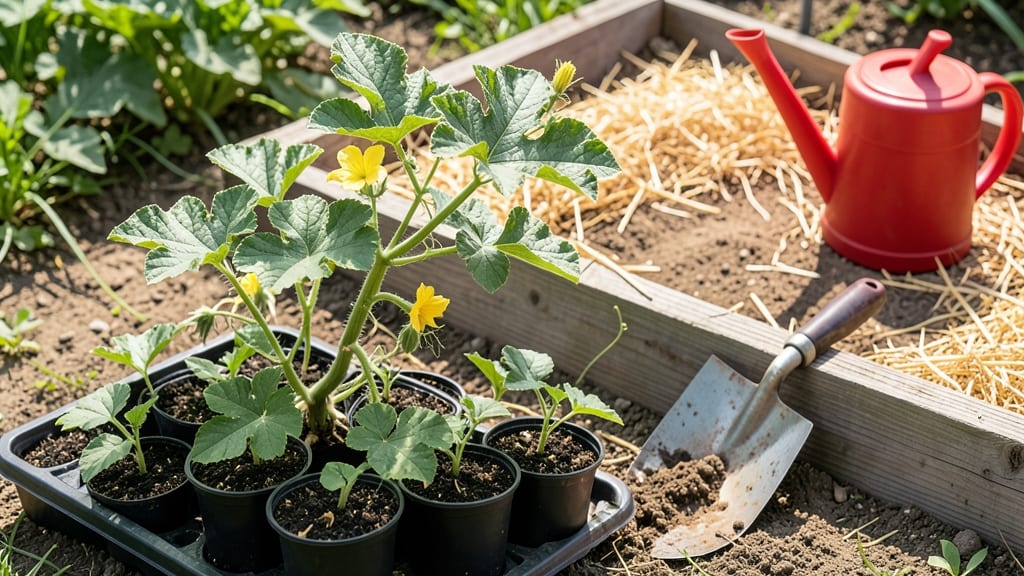
Planting cantaloupe in Louisiana isn’t just about picking a date—it’s about outsmarting the state’s unpredictable spring weather. One wrong move, and frost could still sneak in or your vines might wilt before they even fruit.
The key? Timing your 🍈 cantaloupe seeds to align with Louisiana’s 8a-9b frost-free windows, where soil temps finally hit that sweet spot of 70°F.
You’ve got two chances to get this right: the early bird window (mid-February to early April) for heat-loving varieties that can handle a quick sprint to harvest, or the main-season push (late March to early May) for the big, juicy melons that need all summer to ripen.
But here’s the catch—New Orleans and Shreveport play by slightly different rules, thanks to microclimates that can shift your frost-free deadline by 2 weeks.
I’ll break down the exact dates for your corner of Louisiana, plus how to prep your soil, choose the right varieties, and keep your cantaloupes thriving through the 90°F+ heat. No more guesswork—just a foolproof plan to turn your garden into a melon goldmine by June.
Ready to ditch the trial-and-error? Let’s get your cantaloupe vines off to the fastest, most reliable start possible—because in Louisiana, summer’s short, and your melons won’t wait forever.
Louisiana’s cantaloupe planting zones: heat maps & frost-free deadlines
Louisiana’s USDA zones 7-9 create a unique challenge for cantaloupe growers—long summers and variable frost dates demand precise timing. Cantaloupes thrive in 70-90°F soil temperatures, but early plantings risk late frost damage while late starts may not mature before summer heat peaks.
Understanding your local microclimate (e.g., New Orleans’ humidity vs. Shreveport’s drier air) is key to avoiding these pitfalls.
Cantaloupes need 80-90 frost-free days to mature, making late March to early May the ideal window for most of Louisiana. However, Zone 7a gardeners (like those in Monroe) should wait until mid-April, while Zone 9b growers (e.g., Houma) can start as early as mid-February for early varieties.
Historical frost data shows last spring frost typically occurs between March 15-30, but 2023 saw late frosts in early April—proving flexibility is critical.
Here’s how to align your planting with Louisiana’s heat zones and frost-free deadlines for maximum yield:
| USDA Zone | Avg. Last Frost | Ideal Planting Window | Soil Temp. Threshold | Heat Tolerance Note |
|---|---|---|---|---|
| Zone 7a (Monroe, Natchitoches) | March 25–April 5 | Mid-April to May 1 | 70°F+ | Use black plastic mulch to warm soil faster |
| Zone 7b (Alexandria, Lafayette) | March 15–25 | Late March to April 15 | 70°F+ | Choose early varieties like ‘Ambrosia’ (75 days) |
| Zone 8a (Baton Rouge, Shreveport) | March 1–15 | Mid-February to April 1 | 65°F+ (with row covers) | Stagger plantings every 2 weeks for extended harvest |
| Zone 8b (Lake Charles, Hammond) | February 20–March 5 | Late January to March 31 | 60°F+ (with protection) | Risk of early bolting in heat—use shade cloth |
| Zone 9a (New Orleans, Lafayette) | February 1–15 | Mid-January to March 15 | 55°F+ (with row covers) | Humidity increases disease risk—space vines well |
| Zone 9b (Houma, Morgan City) | January 20–February 5 | December 15 to February 28 | 50°F+ (with protection) | Longest growing season—try late varieties like ‘Hale’s Best’ |
For Zone 7-8 gardeners, focus on early-maturing varieties (70-75 days) to avoid summer heat stress
Step-by-step planting timeline: from seed to harvest in 80 days
Cantaloupes thrive in Louisiana’s heat, but timing is critical to avoid early frost or late-season wilting. With 80 days from seed to harvest, you’ll need to plan carefully. Start with soil prep in pH 6.0–6.8 and choose between indoor starts for early varieties or direct sowing in late spring.
For maximum yields, stagger plantings every 2 weeks to extend your harvest. Louisiana’s last frost date varies—mid-March in northern zones (like Shreveport) and late February in southern areas (like New Orleans). Use this timeline to align your planting with your local microclimate.
Start seeds indoors 6-8 weeks before your last frost date. Use biodegradable pots filled with seedling mix and keep soil at 70-75°F. Place under grow lights for 12-14 hours/day.
Move seedlings outdoors for 2-3 hours/day starting 10 days before transplanting. Gradually increase exposure to direct sun and wind. Avoid transplanting if night temps drop below 55°F.
Transplant hardened-off seedlings or direct sow seeds after soil warms to 70°F (use a soil thermometer). Space plants 2-3 feet apart in mounds for drainage. Mulch with straw to retain moisture.
Apply balanced fertilizer (5-10-10) when vines reach 12 inches. Thin seedlings to 1 per mound if overcrowded. Water at soil level to avoid fungal diseases like powdery mildew.
Hand-pollinate flowers in morning by transferring pollen with a paintbrush. Watch for cucumber beetles—use row covers if spotted. Reduce watering to 1 inch/week to prevent cracking.
Harvest when fruit slips easily and stem end turns tan. For extended harvests, sow late-season varieties (like ‘Ambrosia’) in June. Remove spent vines to prevent disease buildup.
Staggering plantings every 2 weeks ensures a continuous harvest from June to September. For example, plant one batch in early April and another in mid-May to cover Louisiana’s 90-day growing window. Use black plastic mulch to warm soil faster in cooler zones.
Pro tip: Companion plant cantaloupes with bush beans or marigolds to deter pests naturally. Avoid planting near potatoes or cucumbers, as they compete for nutrients. With this timeline, you’ll enjoy homegrown cantaloupes all summer long! 🍈