
Plants
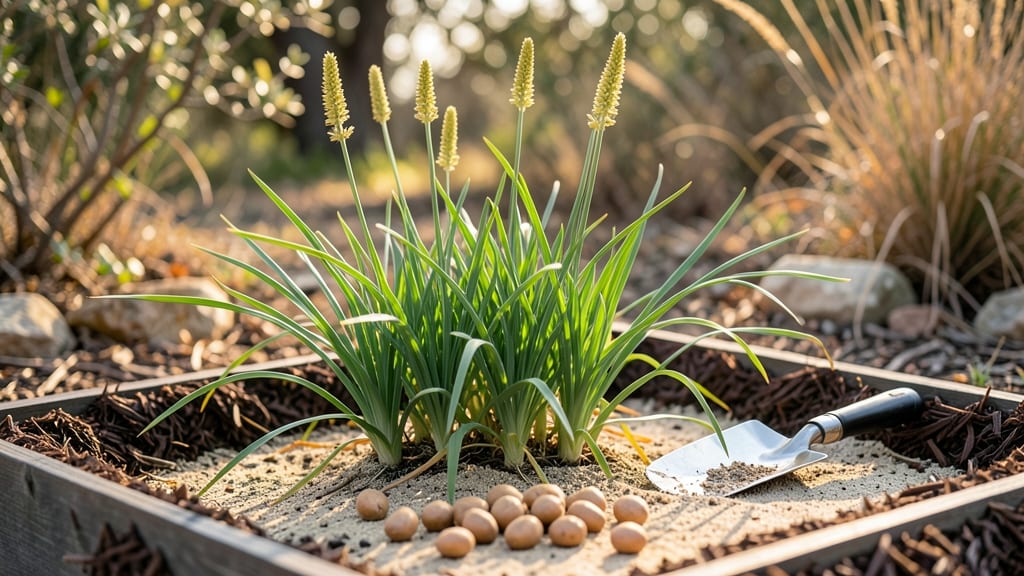
If you’ve ever wondered when to plant chufa in GA, the answer starts with your soil’s secret weapon: warmth. This 🌾-sized tuber thrives when Georgia’s earth heats up—usually by late spring—but timing it wrong means frost or stunted growth.
I’ll show you exactly how to sync your planting with the region’s microclimates, from the Piedmont’s 7b zones to the coastal plains’ 9a warmth.
Most gardeners in Georgia (GA) plant chufa between April and June, but that’s just the starting point. The real magic happens when soil hits 65°F—too early, and your tubers won’t germinate; too late, and you’ll miss peak harvest season.
I’ll break down how to test soil temp the easy way and adjust for Georgia’s unpredictable spring rains.
Here’s the game-changer: chufa needs 150 days of warmth to mature, so planting in May gives you the best shot at a late-summer harvest. But if you’re in North GA’s cooler pockets, you might need to wait until June.
I’ll walk you through regional tweaks so you don’t waste seeds—or your time.
Once you’ve nailed the timing, the rest is simple: well-drained soil, full sun, and patience. Skip the guesswork and let’s get your chufa off to a start that’ll have you digging up tubers by August. Ready to turn Georgia’s heat into harvests?
Georgia’s ideal chufa planting windows by region (soil temp & frost dates)
Chufa thrives in Georgia’s heat, but soil temperature and frost dates vary dramatically across regions. In North Georgia’s mountains (USDA zones 7b-8a), cooler nights demand earlier planting, while South Georgia’s coastal plains (zones 8b-9a) can handle late starts.
The key? Plant when soil hits 65°F+ and stay ahead of the first frost—typically mid-November in most areas.
Your planting window hinges on two critical factors: soil warmth (chufa seeds need heat to germinate) and frost-free deadlines. Miss either, and your harvest could suffer. For example, Central Georgia’s Piedmont (zone 8a) has a narrower window than the coast, where summer heat lingers longer.
Let’s break it down by region so you can align your schedule with Georgia’s microclimates.
🌱 Pro Tip: Use a soil thermometer to confirm warmth—chufa seeds won’t sprout below 65°F, even if air temps feel warm. I’ve seen gardeners in North Georgia waste seeds by planting too early, only to watch them rot in cold soil.
In North Georgia’s mountains, where frosts linger until May 1, aim to plant by April 20 to avoid cold snaps. Soil temps here can fluctuate wildly, so wait until morning readings hit 65°F for 3+ days.
I’ve had chufa seeds sprout in Athens (Central GA) as early as April 15, but only after confirming soil warmth—never trust air temps alone.
For Central Georgia’s Piedmont, the sweet spot is April 15-May 30. This region’s USDA zone 8a balance gives you flexibility, but don’t delay past June 1—chufa needs 120-150 days to mature, and late starts risk harvests clashing with fall frosts.
A trick I use? Plant a test row in late May to gauge soil warmth if early attempts fail.
South Georgia’s coastal plains offer the most forgiving window—March 15-June 15—thanks to zone 9a’s heat retention. Here, you can even successive plant every 2 weeks for staggered harvests. Just ensure soil is 65°F at 1-inch depth; sandy coastal soils warm faster than Piedmont clay. I’ve grown chufa in Savannah as late as June 10 and still harvested by October.
Regardless of region, avoid planting after July 15 unless you’re in South GA’s zone 9a. Chufa tubers need 60-90 days of warm soil to bulk up, and late starts often yield small, underdeveloped tubers. In North GA, I’ve seen harvests fail
How to test soil warmth for chufa success (DIY methods & tools)
Chufa thrives when soil temperatures hit 65°F or warmer, but Georgia’s spring heat fluctuations can make timing tricky. Without accurate soil warmth data, you risk planting too early (and losing seeds to frost) or too late (and missing the optimal growing window).
The good news? Testing soil warmth is simpler than you think—whether you use a DIY thermometer or a high-tech digital probe.
Most gardeners assume air temperature equals soil temperature, but that’s a costly mistake. Soil warms 3-5°F slower than the air, especially in Georgia’s sandy loam regions. For chufa, this delay can mean the difference between a 120-day harvest and a 180-day wait.
Let’s break down the tools and techniques to get it right the first time.
- DIY Method: Use a meat thermometer (cleaned and sanitized). Bury the probe 2-3 inches deep in moist soil, away from direct sunlight. Wait 30 seconds for an accurate reading.
- Budget Tool: Soil thermometer probes ($10–$15) with a flexible stem for easy insertion. Look for Fahrenheit scales with 1°F increments for precision.
- High-Tech Option: Digital soil probes ($20–$40) with backlit displays and memory functions to track daily trends. Ideal for large gardens or repeat planting.
- Check soil warmth mid-morning (10 AM–12 PM) when temperatures are stable and rising. Avoid testing after rain or in direct sunlight, which skews results.
- Record readings for 3 consecutive days. Chufa seeds need consistent warmth—if temps dip below 60°F at night, wait a week before planting.
- For Georgia’s microclimates, test in your sunniest, lowest-lying beds first. South-facing slopes warm 2–3°F faster than flat areas.
- 60–64°F: Too cool. Chufa seeds may rot or fail to germinate. Wait 5–7 days and retest.
- 65–70°F: Ideal range. Plant seeds 1 inch deep in well-drained soil. Germination typically occurs in 7–14 days.
- 70°F+: Perfect conditions. Proceed with planting, but monitor for drought stress—chufa needs consistent moisture during early growth.
- If soil hits 80°F+, plant in partial shade (e.g., under 50% shade cloth) to prevent seed desiccation.
- For North GA (USDA 7b), aim for late May planting when soil stabilizes above 65°F.
- In South GA (USDA 9a), start as early as mid-April, but use row covers if nights dip below 55°F.
- Testing dry soil overestimates warmth. Moisten soil to 60% capacity before measuring.
- Ignoring nighttime drops. Even if daytime soil is warm, nighttime temps below 55°F can stall germination.
- Planting too deep. Chufa needs 1-inch depth max—deeper planting delays sprouting and reduces yields.
Pro tip: Use a spreadsheet to log soil temps for 2–3 weeks before planting. Georgia’s spring can swing 15°F in a single week, so tracking trends helps you predict the perfect planting window.
Once you’ve confirmed consistent 65°F+ soil, plant your chufa seeds and watch for sprouts in 7–10 days.
Remember, chufa’s tubers form best in warm, stable soil. By mastering soil temperature testing, you’ll double your harvest potential and avoid the frustration of delayed or failed crops. Happy planting! 🌱