
Plants
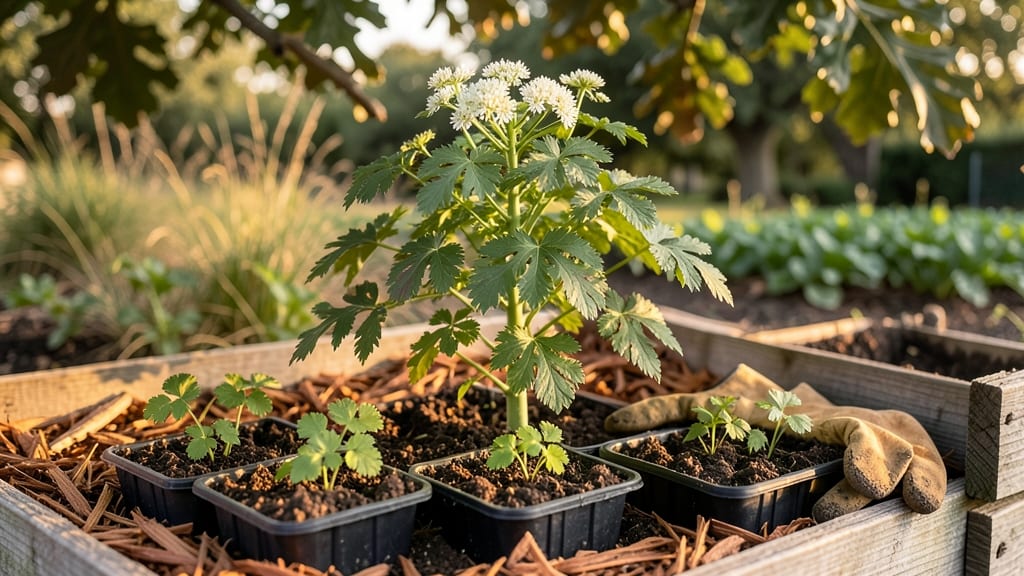
Planting cilantro in Georgia’s 7b-8b climate feels like a gamble—until you nail the timing. That first hint of spring air in February isn’t just a signal for blooms; it’s your cue to get cilantro 🌿 in the ground before the heat forces it to bolt.
Most gardeners miss this window, but with the right frost-free schedule, you can enjoy fresh leaves through May and again in fall.
Here’s the secret: Georgia’s unpredictable weather means cilantro thrives in cool-season windows—February to March for spring harvests, and August to September for fall. Skip the summer months, and you’ll avoid the dreaded bolting that turns your herb into a bitter, flowering mess.
I’ll walk you through the exact frost dates and heat tolerance tricks that keep your cilantro lush and flavorful.
Why does this matter? Because bolting isn’t inevitable—it’s a timing issue. Whether you’re in the Piedmont or coastal Georgia, the same principles apply: plant early, provide shade, and keep the soil moist.
By the end of this guide, you’ll know exactly when to start seeds indoors or transplant seedlings to guarantee a harvest before the heat wins.
Let’s cut to the chase: February 15 is your spring planting deadline, and September 1 kicks off your fall window. Miss these dates, and you’ll be chasing cilantro in a losing battle. Ready to grow cilantro that actually lasts? Let’s get started.
Georgia cilantro planting calendar: frost dates and heat tolerance windows
Georgia’s climate presents unique challenges for growing cilantro—the delicate herb bolts quickly when temperatures rise above 80°F. But with precise timing, you can enjoy fresh harvests twice a year. The key lies in understanding your USDA zone (7a-8b) and leveraging Georgia’s cooler fall and spring windows.
In North Georgia (Zone 7a), the last frost date typically falls around March 15, while South Georgia (Zone 8b) sees frost as late as March 22. The first frost arrives earlier in the north (November 15) compared to the south (November 25).
These dates create narrow windows for successful cilantro cultivation.
Spring planting should begin 4-6 weeks before your last frost, while fall planting should occur 8-10 weeks before your first frost. For most of Georgia, this means starting seeds indoors in February for spring and August for fall.
Cilantro thrives in cooler temperatures (60-70°F) and struggles when daytime highs exceed 75°F. The heat tolerance window for direct sowing is extremely limited—typically just 4-6 weeks in spring and 6-8 weeks in fall before temperatures become prohibitive.
| Planting Window | North Georgia (Zone 7a) | South Georgia (Zone 8b) | Key Conditions |
|---|---|---|---|
| Spring Start Indoors | February 15 | February 1 | 60-70°F nights |
| Transplant Outdoors | March 15-April 1 | March 22-April 15 | Daytime <75°F |
| Fall Start Indoors | August 1 | July 25 | Humidity <70% |
| Transplant Outdoors | September 1-October 1 | September 15-October 15 | Nighttime >55°F |
| Direct Sowing Window | March 1-April 15 | March 15-April 30 | Soil 65°F+ |
For North Georgia gardeners, focus on spring planting in March and fall planting in September. The shorter growing season means you’ll need to act quickly—cilantro can bolt in as little as 3 weeks if daytime temperatures exceed 80°F.
South Georgia’s longer growing season allows for a slightly extended window. You can attempt direct sowing in late March or even early April, but monitor weather forecasts closely. If a heatwave over 85°F is predicted, cover plants with 30% shade cloth to delay bolting.
One pro tip: Succession planting every 2 weeks in spring and fall ensures a continuous harvest. For example, start a new batch in late February, then again in mid-March and early April to stretch your growing window.
Remember that Georgia’s clay soil can exacerbate heat stress. Amend beds with compost or aged manure before planting to improve drainage and moisture retention. This helps cilantro maintain its cool-season tolerance even as ambient temperatures rise.
If you’re in a coastal area like Savannah, you’ll have slightly longer heat tolerance—humidity helps cilantro retain moisture better. However, inland areas like Athens or Macon will need to plant earlier to avoid the intense summer heat.
By following these frost-free windows and heat tolerance guidelines, you’ll maximize your chances of growing bolt-free cilantro in Georgia’s challenging climate. The key is patience and precise timing—don’t rush your plantings, and always be ready to provide shade when temperatures climb.
How to extend cilantro’s growing season in Georgia’s heat
Georgia’s summer heat turns cilantro into a bolting disaster if you don’t act fast. The key? Strategic shade and succession planting to keep your plants cool and productive. I’ve grown cilantro in Athens and Savannah—here’s how I beat the heat and extended harvests by 4-6 weeks each season.
Start with shade cloth (30-50% coverage) to block afternoon sun, and pair it with companion plants like basil or lettuce to create a microclimate.
Your cilantro will thank you for container gardening too. Urban gardeners swear by 5-gallon pots with self-watering bases—this gives you control over soil moisture and temperature. I’ve seen cilantro thrive in containers on patios or balconies when in-ground plants bolt within weeks.
The secret? Morning watering and mulching with straw to retain moisture and keep roots cool.
Don’t overlook container gardening for urban spaces. Fill pots with well-draining potting mix and add perlite to prevent compaction. I’ve had cilantro last 6 weeks longer in containers because I could move them to shadier spots when temperatures hit 90°F+.
Water containers daily in summer—they dry out faster than in-ground beds.
For fall planting, start seeds indoors by July 15 and transplant outdoors after Labor Day. This gives cilantro a head start before cooler weather sets in.
I’ve used row covers in early fall to protect young plants from unexpected frost—just remove them during the day to prevent overheating.
Here’s my 3-step heat stress checklist to keep cilantro thriving:
- Check soil moisture daily—cilantro wilts fast in heat.
- Inspect leaves for yellowing (sign of stress or bolting).
- Adjust shade if plants look leggy or flower stalks appear. Use this routine, and you’ll avoid the bitter bolting that ruins cilantro’s flavor.
Pro tip: Harvest leaves aggressively—pinching back growth encourages bushier, cooler plants. I harvest outer leaves first to avoid shocking the plant, and it keeps cilantro productive for 8-10 weeks in Georgia’s climate. Pair this with regular pruning, and you’ll have fresh cilantro long after your neighbors give up.