
Trees
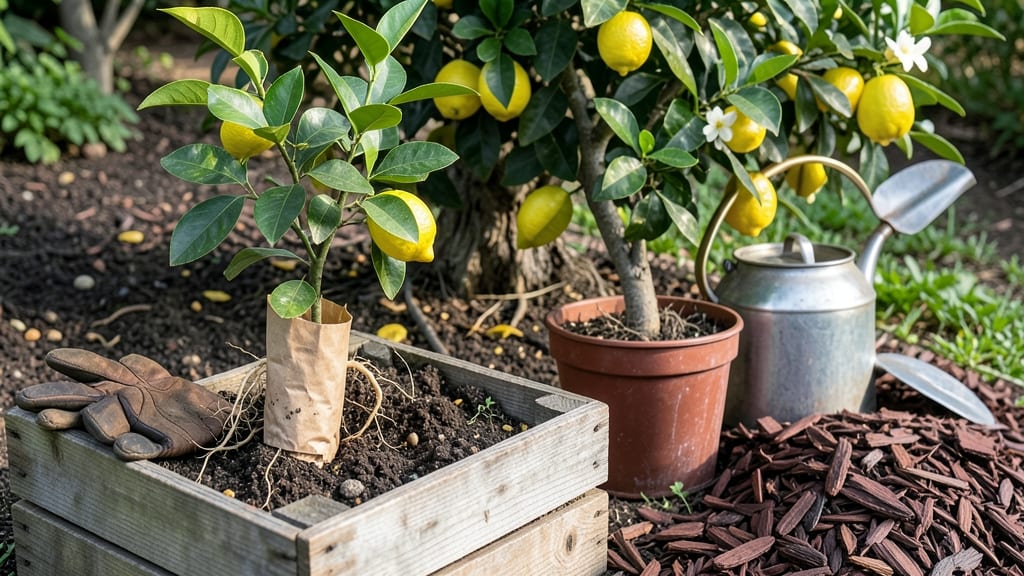
Planting your 🍊 citrus tree at the wrong time in Zone 9 could mean the difference between a thriving orchard and a sad, struggling sapling.
Unlike colder climates, Zone 9’s mild winters give you a narrow window to plant—too early, and late frosts (yes, they do happen) can stunt growth; too late, and summer’s brutal heat stresses young roots before they take hold.
Here’s the secret: timing isn’t just about months—it’s about chill-hour needs. Some citrus varieties, like lemons, handle a few cold snaps, while others, like grapefruits, need almost none.
I’ll break down the perfect months to plant based on your tree’s tolerance, so you can avoid common mistakes and set yours up for year-round harvests.
You’ll also learn how to prep your soil, pick the right microclimate spot, and even which varieties thrive best in Zone 9’s heat. Whether you’re a first-time grower or a seasoned gardener, these insights will help you plant with confidence—and watch your citrus tree flourish.
Ready to skip the guesswork? Let’s dive into the game-changer timing tips that’ll have your tree bearing fruit in no time.

Best planting months for citrus trees in Zone 9 based on chill-hour requirements
Zone 9 gardeners have a unique advantage—our mild winters mean citrus trees can thrive year-round with the right timing. Unlike colder zones, we don’t face harsh freezes, but chill-hour requirements still dictate the best planting windows.
Low-chill varieties (0-100 hours) like Meyer lemons can be planted almost anytime, while slightly higher-chill types (150-300 hours) need careful timing to avoid stress.
For Zone 9’s frost-free climate, the ideal planting window spans from late February through April. This gives young trees time to establish roots before summer’s intense heat.
However, microclimates matter—coastal areas with cooler summers may extend planting into May, while inland zones should avoid late spring planting to prevent drought stress.
Chill-hour needs determine your citrus variety’s cold tolerance. Trees with 0-100 chill hours (like Calamondin oranges) adapt best to early spring planting (February-March), while 150-300 chill-hour varieties (such as Valencia oranges) benefit from late winter (January-February) to ensure they get enough winter chill before blooming.
| Citrus Variety | Chill-Hour Needs | Best Planting Month | Frost Risk Note |
|---|---|---|---|
| Meyer Lemon | 0-100 hours | February-April | None (hardy to 20°F) |
| Calamondin Orange | 0-50 hours | March-May | None (tropical) |
| Valencia Orange | 150-300 hours | January-February | Low (needs winter chill) |
| Ruby Red Grapefruit | 200-300 hours | December-January | Moderate (avoid late frost) |
| Satsuma Mandarin | 250-400 hours | November-December | High (needs winter chill) |
Planting in February-March offers the best balance for most Zone 9 citrus varieties. This window ensures trees get enough winter chill to bloom properly while avoiding summer’s extreme heat.
For high-chill varieties like Satsuma mandarins, late fall planting (November-December) is ideal to meet their 250-400 chill-hour needs before spring growth.
If you miss the ideal window, late spring planting (May) can still work for low-chill varieties, but young trees may struggle with summer drought. Always water deeply after planting and use mulch to retain moisture. Avoid planting in summer’s peak heat, as high temperatures slow root establishment.
Microclimates play a critical role in Zone 9 citrus success. Coastal areas with cooler summers can extend planting into May, while inland zones should stick to February-April.
If your yard has afternoon shade, you can push planting slightly later, but always prioritize well-draining soil to prevent root rot.
For container-grown citrus, timing is less critical, but planting in early spring still gives trees the best start. Containers dry out faster in summer, so ensure your pots have drainage holes and use well-draining potting mix. Move containers to shadier spots during peak summer heat to reduce stress.
One common mistake is planting too early in Zone 9. While frost isn’t a major concern, winter rains can lead to waterlogged soil, which citrus trees hate. If you plant in January, choose a sheltered location to protect young trees from heavy rains and potential wind damage.
After planting, focus on consistent watering and light fertilization to encourage root growth. Avoid heavy fertilizing in the first 3 months, as new roots are sensitive to high nutrient levels. Instead, use a balanced citrus fertilizer (6-6-6 or 8-3-9) sparingly to support establishment.
How to prepare your Zone 9 soil and climate for citrus tree success
Citrus trees thrive in Zone 9’s warm climate, but their success depends on more than just timing—your soil quality and microclimate play equally critical roles. Unlike cooler zones, Zone 9’s hot summers and mild winters demand specific prep to prevent stress, root rot, or nutrient deficiencies.
Start by testing your soil pH—citrus trees prefer a range of 6.0–7.0, and adjustments here can make or break your tree’s health.
Even if your soil pH is perfect, drainage issues are a silent killer for citrus. These trees hate soggy roots, which is why amending clay-heavy soils with organic matter (like compost or coconut coir) is non-negotiable.
I’ve seen citrus trees in poorly draining soil struggle even in ideal temperatures—don’t let that be your story. Pair this with a slightly raised bed or mound if your yard retains water.
⚠️ Zone 9 Planting Pitfall: Afternoon Sun Scorch
While citrus loves full sun, Zone 9’s intense afternoon heat (especially June–August) can scorch young leaves and burn fruit. Solution: Plant near a partial shade structure (like a lattice with climbing vines) or use a windbreak (e.g., bamboo fence) to diffuse heat. Avoid planting in full-west-exposure spots—morning sun + afternoon shade is ideal.
Next, focus on organic amendments to feed your citrus tree’s shallow root system. Work in well-aged compost or a citrus-specific fertilizer (high in nitrogen for young trees) into the top 12–18 inches of soil.
I swear by a mix of fish emulsion and kelp meal—it gives them a nutrient boost without overwhelming their sensitive roots.
Spread a 3-inch mulch layer of wood chips or straw around the base (but keep it 6 inches away from the trunk) to retain moisture and regulate soil temperature.
Don’t overlook microclimate tweaks—wind and temperature fluctuations can stress citrus trees. If your yard is exposed, install a windbreak (even a dense hedge works) to protect young trees from hot, drying winds. For container-grown citrus, move pots to a shaded patio during peak afternoon heat.
I’ve had Meyer lemon trees in containers thrive by simply rotating them daily to ensure even sun exposure—small adjustments make a huge difference.
Finally, tailor your watering schedule to Zone 9’s dry summers. Newly planted citrus need deep watering 2–3 times per week for the first month, then taper to weekly deep soaks once established. Water at the base of the tree (not overhead) to prevent fungal diseases like citrus greening.
In summer, I set a drip irrigation system on a timer—it saves time and ensures consistent moisture without overwatering.
With these steps, your citrus tree will establish strong roots, withstand summer heat, and produce fruit reliably—no matter how intense Zone 9’s climate gets. The key is proactive prep, not reactive fixes. Happy planting! 🌱🍋