
Plants
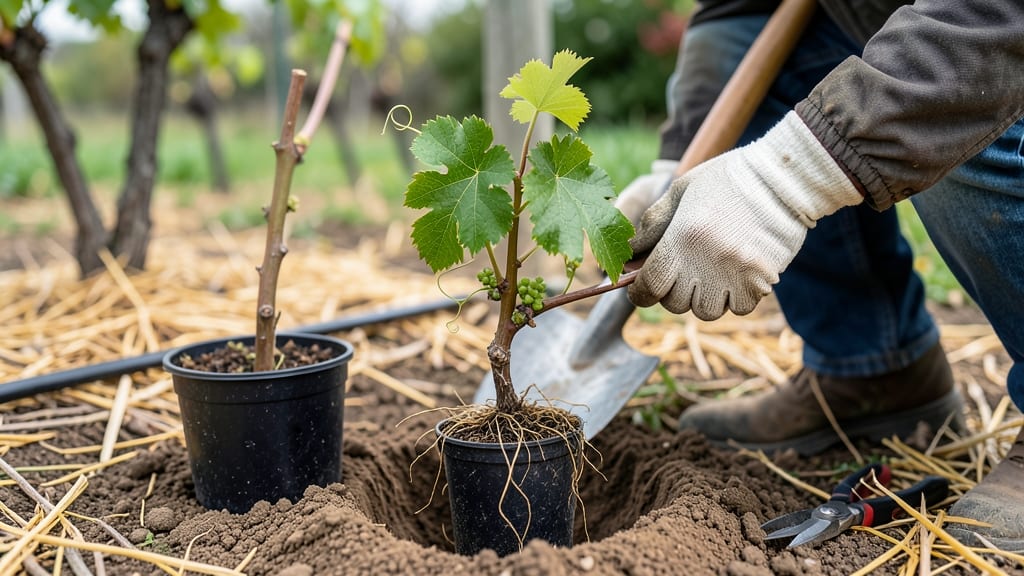
Planting grapes in Missouri at the wrong time can leave you with weak vines or no fruit at all—and 300 chill hours make all the difference between a thriving vineyard and a failed harvest.
Whether you're growing cold-hardy Norton grapes in the Ozarks or heat-loving Cabernet Franc near St. Louis, timing your planting window is the key to success.
Most Missouri gardeners wait until late winter or early spring to plant bare-root grapevines, but the real secret lies in understanding your variety's chill-hour needs. USDA Zones 5b-6b mean you can plant as early as March, but frost risks linger until after March 15, so preparation is everything.
In this guide, I’ll break down the exact planting windows for Missouri’s most reliable grape varieties, including soil prep tips and frost-proofing strategies. You’ll learn how to choose between spring planting (for faster growth) and dormant-season planting (for better root establishment), plus how to adjust for your local microclimate.
By the end, you’ll know exactly when to plant grapes in Missouri to maximize your chances of a sweet, abundant harvest—no guesswork required. Let’s get those vines in the ground the right way!
Missouri grape planting timeline by chill-hour requirements
Timing your grape planting in Missouri depends on two critical factors: chill-hour requirements and microclimate conditions. Missouri’s USDA Zones 5b-6b experience 1,000-1,500 chill hours, perfect for cold-hardy varieties like Concord and Norton, but too harsh for heat-loving types like Cabernet Franc.
Planting at the wrong time can stunt growth or delay fruit production.
Most Missouri gardeners plant grapes in late winter or early spring, but the exact window varies by variety. Cold-hardy grapes (e.g., Catawba, Valvin Muscat) can handle dormant-season planting (November-December), while tender varieties (e.g., Chardonnay) must wait until soil warms in March-April.
Understanding these differences prevents common mistakes like frost damage or poor root establishment.
Here’s how Missouri’s microclimates affect planting: Urban areas (e.g., St. Louis) may experience heat islands that delay frost, while the Ozarks face earlier freezes. Adjust your timeline by 2-4 weeks if you’re in a cooler highland region versus a warmer river valley.
For spring planting, aim to get vines in the ground 4-6 weeks before last frost (typically by March 15 in most of Missouri). This gives roots time to establish before summer heat sets in. If you’re planting bare-root vines, soak them overnight before installation to prevent transplant shock.
Dormant-season planting (November-December) is ideal for cold-hardy varieties like Concord and Catawba. The soil is cold but workable, and vines benefit from winter chill hours before budding in spring. Just be sure to mulch heavily (4-6 inches) to protect roots from freeze-thaw cycles.
Missouri’s spring frost risks make timing critical. If you plant too early (before March 1), young vines
Step-by-step Missouri grape planting guide: soil to first harvest
Missouri’s spring frost risks and summer heat spikes demand careful grape planting. Start by selecting a sun-drenched site with 6+ hours of direct sunlight daily—grapes thrive where they can soak up warmth without afternoon shade interference.
Avoid low-lying areas prone to cold air pooling, which can delay spring growth or damage tender shoots.
Before planting, test your soil pH—grapes prefer 6.0 to 6.5. If your soil tests higher (common in Missouri’s clay-heavy regions), amend with sulfur or peat moss. For sandy soils, mix in composted manure or leaf mold to improve moisture retention.
Poor drainage is a grape grower’s nightmare, so elevate beds if needed or plant on sloped terrain.
When to plant grapes in Missouri depends on your climate zone and grape variety. Most growers in USDA Zones 5b-6a (covering most of the state) plant bare-root vines in late winter or early spring, once soil temperatures rise above 50°F. For container-grown grapes, you can plant slightly later—through April or even early May—but avoid planting after May 15 to prevent heat stress.
📋 Step-by-Step Missouri Grape Planting Guide
- Step 1: Prepare the Planting Hole Dig a hole twice as wide as the root ball but no deeper. Loosen soil at the bottom to encourage root spread.
- Step 2: Amend the Soil Mix compost or well-rotted manure into the native soil. For clay soils, add coarse sand to improve drainage.
- Step 3: Position the Vine Place the vine so the graft union (if present) sits 2-3 inches above soil level. Spread roots gently without bending them.
- Step 4: Backfill and Water Fill the hole with amended soil, tamping lightly to remove air pockets. Water deeply to settle the soil and eliminate gaps.
- Step 5: Install Trellis Support Attach a 4-6 ft tall trellis immediately—grapes need vertical support to grow properly. Use galvanized wire or wooden posts.
- Step 6: Mulch and Protect Apply 2-3 inches of mulch (straw or wood chips) to retain moisture and suppress weeds. Wrap the trunk with tree guard to deter voles.
After planting, water deeply once a week during the first growing season, aiming for 1-2 inches of moisture per week. Missouri’s summer droughts can stress young vines, so prioritize morning watering to reduce fungal diseases like powdery mildew. Avoid overhead sprinklers—use drip irrigation or soaker hoses instead.
Pruning is critical for Missouri’s climate. In late winter (February-March), prune dormant vines to 5-7 buds per spur, removing weak or crossing canes. This encourages strong spring growth and improves airflow.
Summer pruning (after harvest) helps manage vigor—cut back sucker growth and excessive foliage to focus energy on fruit production.
With proper care, your Missouri grapevine will reward you with sweet harvests in late summer.
Monitor for pests like Japanese beetles and diseases such as black rot, and enjoy the process of growing your own grapes—Missouri’s climate is challenging, but with these steps, you’ll set your vines up for success! 🍇