
Plants
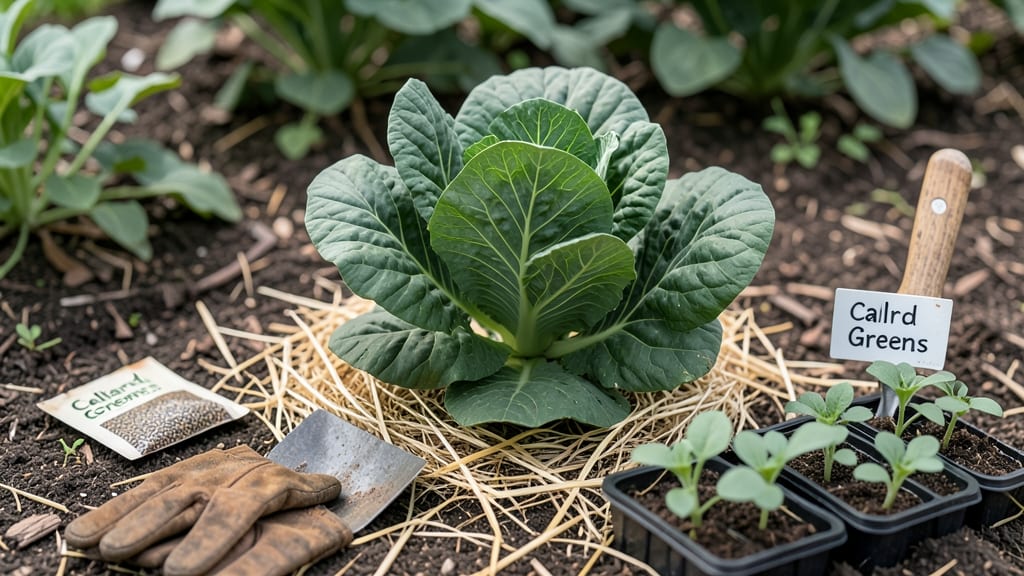
Planting collard greens 🥬 in Georgia at the wrong time means either freezing out your seedlings or watching them bolt in the heat—neither of which ends with a bountiful harvest. The key to success lies in understanding Georgia’s two perfect windows: late winter/early spring and late summer/early fall.
For most of Georgia (zones 7a-8b), the ideal planting dates are February-March for a spring harvest and August-September for a fall harvest. But timing isn’t one-size-fits-all—North Georgia’s colder pockets and coastal areas with milder winters require slight adjustments.
Miss these windows, and you’ll either deal with frost damage or plants that taste bitter from summer stress.
I’ve grown collards in Georgia for years, and the difference between a thriving garden and a failed attempt comes down to soil prep, frost dates, and knowing when to start seeds indoors versus direct-sowing.
Let’s break it down so you can plan your 🥬 collard greens for maximum yield—no guesswork required.
Whether you’re a first-time gardener or a seasoned pro, this guide covers everything from soil temperature checks to regional frost calendars. Ready to grow collards that taste sweeter than store-bought? Let’s get started.
Georgia collard green planting dates by region (frost-date guide)
Georgia’s diverse climate means your collard green planting dates depend heavily on your specific region. While Zone 7a in the north faces earlier frosts, Zone 9a in the south enjoys extended growing seasons. Understanding these frost-date windows helps you avoid frost damage to tender young plants while maximizing harvests.
Collard greens thrive as a cool-season crop, making both spring and fall planting ideal.
In Georgia, the last frost dates range from early March in the north to late February in the south, while first frost arrives as early as mid-November in mountainous areas or as late as December in coastal regions.
For North Georgia gardeners in Zone 7a, direct-sow collard greens between March 1 and April 15 to avoid late frosts that can kill seedlings. The 30% frost risk in this region makes early starts risky—wait until soil temps reach 50°F before planting.
In the Piedmont, you can start slightly earlier, around February 20, with a lower 20% frost risk.
Central Georgia’s Zone 8a offers flexibility for both spring and fall planting. Begin direct
How to adjust collard green planting for Georgia’s microclimates
Georgia’s diverse microclimates—from the chilly Blue Ridge Mountains to the humid coastal plains—mean your collard greens need tailored care. Urban gardeners in Atlanta face heat pockets, while high-altitude areas like Dahlonega experience earlier frosts.
The key? Adjusting planting schedules, shade strategies, and mulching to match your local conditions. Let’s break down how to optimize your 🥬 collard greens for success, no matter where you garden in Georgia.
For high-altitude areas (USDA Zone 7a), like the Blue Ridge region, plant 4-6 weeks earlier than the general Georgia schedule. These cooler pockets have shorter growing seasons, so starting seeds indoors in early February ensures mature plants before the last frost.
Coastal areas (Zone 8b-9a), however, can direct-sow until mid-October thanks to milder winters. Even a 10-degree temperature difference can mean the difference between thriving plants and frost damage.
🌱 Georgia Microclimate Adjustments for Collard Greens
- 1
- 2
- 3
- 4
- 5
Urban gardeners often face microclimate challenges like pavement heat or building shade. If your garden sits in a heat pocket, opt for shade cloth (30-50%) during peak summer hours to prevent bolting.
I’ve seen collards in Atlanta’s downtown gardens bolt prematurely when planted too early—even a 10% shade reduction can make a difference. For containers, choose black or dark-colored pots to absorb heat and extend the growing season by 1-2 weeks.
Mulching is your secret weapon for Georgia’s unpredictable winters. A thick layer of straw or leaves insulates roots from temperature swings, allowing collards to survive light frosts (28-30°F).
In my own garden, mulched plants continued producing tender leaves through December in Zone 7a. Pair mulch with drip irrigation to maintain even moisture—dry spells in fall can stress plants just as much as cold snaps.
To extend harvests, use succession planting. In coastal Georgia, I’ve sown collards every 2 weeks from August to October, ensuring fresh greens through winter holidays. For high-altitude areas, focus on fall planting (August-September) and protect seedlings with frost blankets if early frosts threaten.
The goal? A steady supply of sweet, tender collards without the risk of bolting or frost damage.
Pro tip: Monitor your garden’s soil temperature with a thermometer. Collards thrive in 50-85°F soil, but temperatures below 45°F slow growth. In cooler microclimates, wait until soil reaches 55°F before planting. This small adjustment can mean the difference between stunted growth and a bumper crop.