
Plants
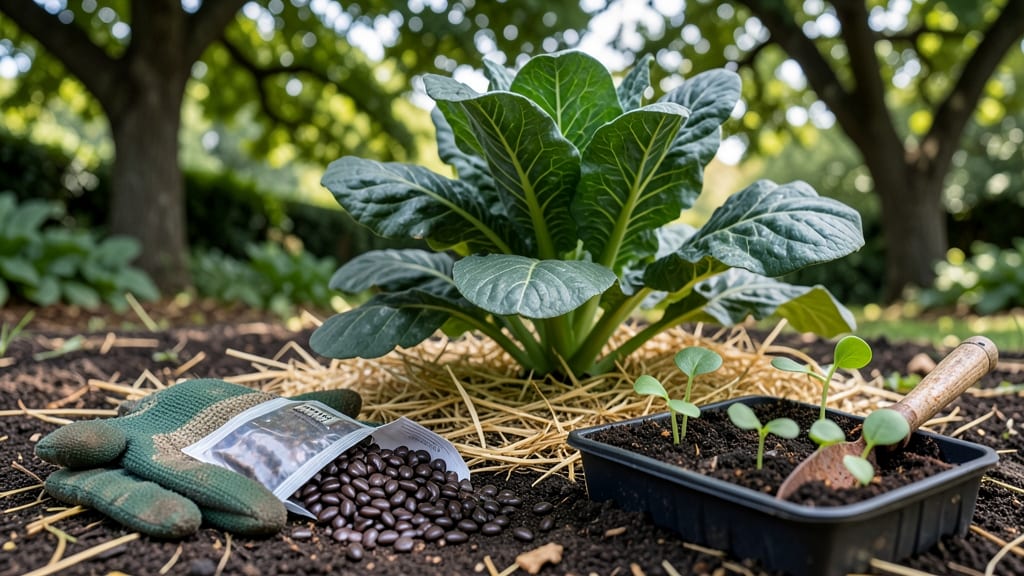
Planting collard seeds at the wrong time in North Carolina can turn your dream of homegrown 🥬 into a bitter disappointment. The key to sweet, tender harvests lies in understanding when to plant—whether you're aiming for spring greens or fall's cooler weather.
With the right timing, you can enjoy fresh collards for months, but get it wrong, and you'll end up with tough, woody leaves.
I've learned the hard way that collards are far more forgiving than many gardeners realize, but they do have preferences. In zones 7a-8b, the sweet spot for planting is late winter to early spring or early fall—just before the heat of summer sets in.
This gives your plants enough time to mature before frost hits, ensuring you get that perfect balance of flavor and texture.
What makes collards so special is their ability to thrive in North Carolina's mild winters, but only if you plant them at the right moment.
Whether you're a first-time gardener or a seasoned pro, knowing when to put those seeds in the ground can mean the difference between a bountiful harvest and a disappointing one. Let me show you exactly how to time it right for your region.
We'll cover everything from using frost-date calculators to adjusting for microclimates, so you can confidently plant your collards and enjoy fresh greens from spring through fall. Trust me, once you master the timing, you'll wonder why you didn't start sooner!
Best planting windows for collards in North Carolina by region
North Carolina’s diverse climate zones—from the Coastal Plain to the Mountains—create distinct planting windows for collards. Timing matters because these cold-hardy greens thrive in cool weather but bolt when temperatures exceed 80°F. Let’s break down the ideal planting windows by region so you can maximize your harvest.
In the Coastal region (USDA Zones 8a-8b), mild winters and hot summers demand precise timing. Fall planting is critical here—start seeds in late August to early September for a winter harvest before spring’s heat arrives. For spring, sow seeds in February to avoid early heat stress.
The Piedmont region (Zones 7a-7b) offers a longer growing season. You can plant collards as early as January for spring harvests, but focus on mid-March to early April for reliable growth. Fall plantings should begin in mid-August to ensure mature plants before frost.
The Mountain region (Zones 6a-7a) has shorter summers and colder winters. Start seeds indoors in March for transplanting after the last frost (mid-April). For fall, sow directly in July to avoid summer heat while allowing time to mature before frost.
| Region | Spring Planting Window | Fall Planting Window | Last Frost Date | First Frost Date |
|---|---|---|---|---|
| Coastal | Feb - Early Mar | Late Aug - Early Sep | Mid-Mar | Mid-Nov |
| Piedmont | Mid-Mar - Early Apr | Mid-Aug - Late Aug | Early Apr | Late Nov |
| Mountains | Mid-Apr | Early Jul - Mid-Jul | Mid-Apr | Early Nov |
For all regions, fall plantings are my top recommendation. Collards sweeten after frost, and a September start ensures tender leaves through winter. In the Coastal Plain, this means harvesting from November to March, while Mountain growers can extend harvests until April.
If you’re planting for a spring harvest, prioritize February-March in warmer zones or wait until April in the Mountains. Use row covers to protect young plants from late frosts, especially in Piedmont and Mountain areas where temperatures can drop unexpectedly.
Pro tip: Succession planting every 2-3 weeks in fall keeps your collard supply steady. For example, sow a second batch in late September (Coastal) or early September (Piedmont) to replace any bolted or frost-damaged plants.
Heat tolerance is key—collards bolt quickly when daytime temps hit 85°F. In the Coastal region, avoid planting after April 15, while Piedmont and Mountain gardeners can push it to May 1 with shade cloth if needed.
Remember, soil temperature matters too. Collard seeds need soil at 50°F+ to germinate. In cooler Mountain regions, wait until soil warms in May for summer plantings, though fall is still the safer bet.
By aligning your planting with these regional windows, you’ll avoid bitter, tough collards and enjoy tender, sweet greens for months. Start with the fall window—it’s the most reliable for NC’s climate! 🥬
How to use a frost-date calculator for collard success
A frost-date calculator is your secret weapon for growing sweet, tender collards in North Carolina’s variable climate. These tools provide precise last frost dates for your ZIP code, helping you avoid bitter greens from heat stress or frost damage.
For collards, timing matters—plant too early, and you’ll deal with bolting; too late, and your harvest shrinks. Let’s break down how to use this tool like a pro.
Start by finding a trusted frost-date calculator like the Old Farmer’s Almanac or PlantMaps. Enter your NC ZIP code to get your average last frost date. For most of North Carolina, this falls between mid-March and early April, but coastal areas may see later dates.
This date is your planting deadline for direct sowing—any earlier, and you risk heat stress in summer’s arrival.
Step-by-Step Guide to Frost-Date Success
- Step 1: Find Your Last Frost Date Use a frost-date calculator to pinpoint your average last frost date. For NC, this ranges from March 15 (Mountains) to April 15 (Coastal).
- Step 2: Adjust for Microclimates North Carolina’s mountains, piedmont, and coastal regions vary by 2-3 weeks. Add 1-2 weeks to your frost date if you’re in a warmer microclimate (e.g., near water or urban areas).
- Step 3: Calculate Planting Windows For spring collards, start seeds 4-6 weeks before your last frost date. For fall collards, aim to plant 8-10 weeks before your first frost (typically mid-November).
- Step 4: Choose Direct Sowing or Starters For direct sowing, plant seeds 2-3 weeks before your last frost date. For starter plants, transplant 1-2 weeks before your last frost for a head start.
- Step 5: Plan for Successive Plantings Extend your harvest by planting every 2-3 weeks in spring and every 3-4 weeks in fall. This ensures a steady supply of tender collards from spring to winter.
Don’t forget to account for microclimates—your backyard might be warmer or cooler than the average for your ZIP code. For example, Asheville’s mountains can frost earlier than Raleigh’s piedmont.
Observe your garden’s behavior for 3-5 years to refine your timing. If you notice frost hitting earlier than the calculator predicts, adjust your planting dates accordingly.
Once you’ve nailed down your frost dates, use them to create a collard planting schedule. For spring, aim to have mature plants ready by late April to avoid summer bolting.
In fall, focus on getting seeds in the ground by early September so they mature before frost. This ensures your collards stay tender and sweet instead of tough and bitter.
Pro tip: Bookmark your frost-date calculator and check it annually—climate patterns shift, and so should your planting strategy. With this tool in hand, you’ll grow collards that thrive all season long, from spring’s first harvests to winter’s last tender leaves. 🥬