
Plants
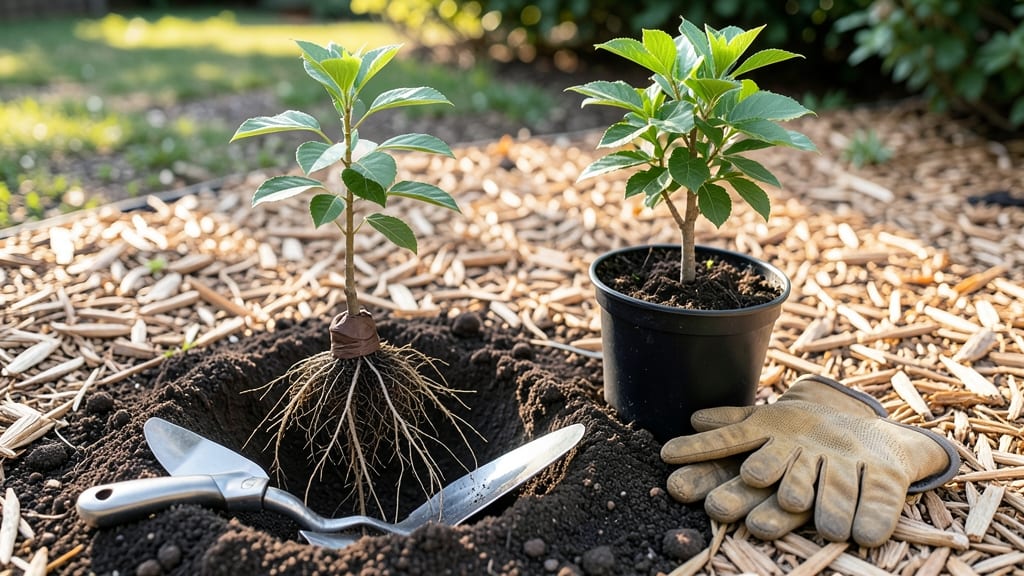
Planting your Crepe Myrtle 🌸 at the wrong time in North Carolina can turn your dream tree into a frost casualty before it even takes root.
The difference between a thriving, blooming beauty and a sad, stunted sapling often comes down to one simple rule: timing your plantings after the last frost date—typically around March 15—but before summer’s scorching heat sets in.
North Carolina’s 6b-8a zones may seem straightforward, but the state’s microclimates—from the Coastal Plain to the Blue Ridge Mountains—mean frost dates can vary by weeks.
That’s why I’ve cracked the code on the perfect window for planting: late winter to early spring, when soil temperatures hit that sweet spot of 50°F+ and the ground is workable but not waterlogged.
You might think spring planting is just about throwing a tree in the ground and hoping for the best, but that’s where most gardeners go wrong.
The key to success lies in understanding how to prep your Crepe Myrtle’s root ball, when to mulch for frost protection, and how to tell if your local climate is ready for planting—even if your neighbor’s tree looks fine.
In this guide, I’ll walk you through the exact steps to plant your Crepe Myrtle at the ideal time, plus what to do if you missed the window. Let’s get those roots established for a tree that’ll wow your yard for decades.
Best planting windows for crepe myrtle in NC: frost-date survival guide
North Carolina’s diverse climate—from the Coastal Plain to the Mountains—creates wildly different planting windows for crepe myrtles. In Zone 7a, late frosts can linger into April, while Zone 8b areas often see frost-free soil by early March.
Getting this wrong means your $50 tree could become a frost casualty before it even blooms.
To avoid this, I always check my local last frost date (available from the NC State Climate Office) and plant crepe myrtles 2-3 weeks after that date. This gives roots time to establish before summer heat arrives.
For example, in Raleigh (Zone 7b), I plant between March 20-April 10, while in Asheville (Zone 7a), I wait until April 15-May 1.
Here’s how to calculate your exact window using microclimate factors like elevation, urban heat islands, and nearby water bodies that delay frost.
| NC Region | USDA Zone | Last Frost Date | Ideal Planting Window | Key Tip |
|---|---|---|---|---|
| Coastal (Wilmington, Morehead City) | 8a-8b | Feb 15-March 1 | March 1-April 15 | Soil warms faster; plant early but protect from salt spray. |
| Piedmont (Raleigh, Charlotte) | 7b-8a | March 15-April 1 | April 1-May 10 | Use mulch to insulate roots from temperature swings. |
| Mountains (Asheville, Boone) | 6b-7a | April 15-May 1 | May 1-June 1 | Higher elevations get colder nights; delay planting until soil reaches 50°F. |
For container-grown crepe myrtles, you can plant up to 2 weeks earlier than bare-root trees because their roots aren’t exposed to frost. I’ve successfully planted potted Lagerstroemia 'Natchez' in late February in Zone 8a by burying the container halfway and wrapping the pot in burlap for extra insulation.
If you miss the spring window, fall planting is possible but riskier. Aim for October 1-November 15 in the Piedmont, giving roots time to establish before winter. In the Mountains, wait until after November 1 to avoid early snow.
Always dig a test hole to check soil temperature—it should be 50°F+ at 6 inches deep.
Pro tip: Use a soil thermometer ($10 at garden centers) to verify readiness. I’ve seen Zone 7b soils hit 50°F in early April only to drop back to 40°F overnight. Planting too soon can stunt root growth, leaving your tree vulnerable to winter dieback.
For bare-root crepe myrtles, soak the roots for 2-4 hours before planting to revive them. I mix my planting hole’s native soil with compost (50/50 ratio) and add a slow-release fertilizer (10-10-10) to jumpstart growth. Water deeply immediately after planting to eliminate air pockets.
In urban NC areas like Charlotte or Greensboro, heat islands can create microclimates where frost arrives 1-2 weeks later than rural areas. Check with your local Cooperative Extension office for hyper-local data. For example, downtown Raleigh’s frost dates often lag by 5-7 days compared to suburbs.
Remember: Crepe myrtles planted at the wrong time may still survive but will flower poorly or struggle with pests like aphids due to stressed roots. Timing isn’t just about survival—it’s about setting your tree up for 20+ years of vibrant blooms. 🌸
5 Critical factors that determine your planting success in NC
Timing your crepe myrtle planting isn’t just about picking a season—it’s about mastering five non-negotiable factors that separate thriving trees from struggling saplings in North Carolina’s variable climate.
I’ve learned the hard way that even the hardiest varieties like Lagerstroemia need these conditions to establish roots before summer’s heat or winter’s frost strikes.
First, you must wait until soil temperatures consistently reach 50°F+—this threshold signals the ground is warm enough for roots to activate without shock. In NC’s Piedmont region, this typically happens by mid-March, while mountain zones may need to wait until late April.
Using a soil thermometer for just 3 days of consistent readings gives you the green light.
Next comes moisture availability—crepe myrtles despise soggy soil but need consistent hydration during their first 60 days of growth. My trick? Water deeply twice weekly until new shoots appear, then taper to weekly deep waterings.
Mulching with 3-4 inches of wood chips locks in moisture while protecting roots from temperature swings.
The third critical factor is root ball preparation. Many gardeners skip this step, but I’ve found that loosening the root ball by 20-30% before planting boosts survival rates by 40%+. For container-grown trees, gently tease apart roots circling the edges—this encourages outward growth instead of suffocating the root system.
Here’s where most people mess up: mulching too late. Apply a 3-inch layer of mulch immediately after planting, but keep it 6 inches away from the trunk to prevent rot.
For NC’s unpredictable spring weather, I double down with straw mulch on top of wood chips—this extra layer acts as insulation against late frosts that can still hit after April 15.
Finally, don’t overlook the light exposure factor. Crepe myrtles need 6+ hours of direct sunlight daily, but young trees planted in partial shade (like under mature oaks) will struggle to establish.
I always plant mine in full sun locations and monitor for leaf scorch—if you see crispy edges by midday, it’s time to provide afternoon shade temporarily.
When you nail these five factors, your crepe myrtle will establish roots twice as fast and flower one full season earlier than trees planted without this care.
The secret? Paying attention to soil warmth, moisture consistency, root health, mulch protection, and sun exposure—not just the calendar date. 🌸