
Plants
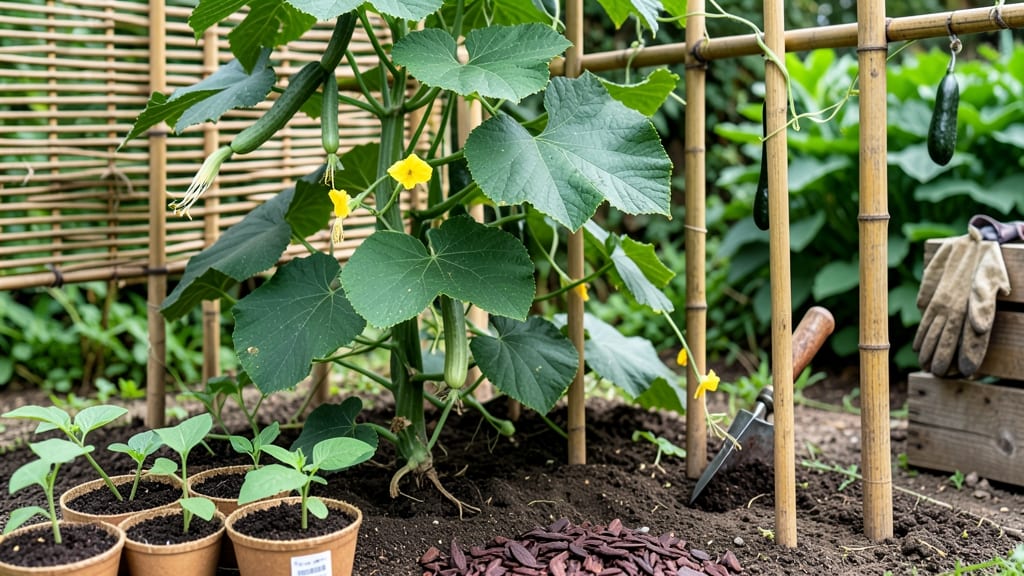
Planting cucumbers in Zone 8a at the wrong time means watching your seeds rot in cold soil or bolt into flowers before you even get a harvest. The exact timing between frost dates and soil warmth is everything—get it right, and you’ll enjoy crisp 🥒 all summer long.
Most gardeners in Zone 8a rush to plant too early, only to face stunted growth or bitter fruit. But with the right strategy—like waiting until soil hits 60°F—you can sidestep these common mistakes and maximize your yield.
I’ve tested the best windows for both spring and summer crops, so you don’t have to guess.
Whether you’re sowing seeds directly or transplanting starts, the 3-4 week window after your last frost (around mid-February for spring) is your golden opportunity. Coastal areas might have a slightly earlier start, while inland zones need to wait a bit longer—here’s how to adjust for your specific microclimate.
Ready to avoid wasted seeds and get a head start on your harvest? Let’s break down the precise weeks to plant, plus pro tips for extending your cucumber season well into fall. Your garden’s about to get a whole lot greener.

Zone 8a cucumber planting calendar: exact weeks before last frost for maximum growth
In Zone 8a, cucumbers need precise timing to avoid frost damage while ensuring soil warmth—60°F+—for optimal growth. The average last frost date falls around February 15, but coastal areas may see earlier warmth.
Planting too early risks cold soil and stunted vines, while waiting too long cuts harvest potential.
Cucumbers are warm-season crops that bolt (flower prematurely) if stressed by cold. My strategy? Start seeds indoors 4-6 weeks before the last frost, then transplant hardened-off seedlings when soil hits 60°F. For direct sowing, wait until 2-3 weeks after your last frost date to ensure stable warmth.
Here’s the science-backed breakdown for Zone 8a cucumbers, including regional adjustments for inland vs. coastal microclimates:
| Planting Stage | Zone 8a Timeline | Soil Temp | Notes |
|---|---|---|---|
| Start seeds indoors | Late January - Early February | 65-75°F | Use grow lights; transplant 2-3 weeks before last frost |
| Transplant seedlings | Mid-March - Early April | 60°F+ | Hardening off required; coastal areas 1-2 weeks earlier |
| Direct sow outdoors | Late April - Early May | 65°F+ | Wait until night temps stay above 50°F; use row covers if needed |
| Summer succession | Late July - Early August | 70°F+ | Heat-tolerant varieties like 'Straight Eight'; mulch to retain moisture |
| Harvest window | June - September (spring) / September - October (summer) | N/A | Pick every 2-3 days to prevent bolting; harvest at 6-8 inches |
For inland Zone 8a areas, like parts of Texas or Tennessee, push planting to March 15-April 1 due to later soil warming. Coastal regions (e.g., Southern California) can start as early as February 15 when nights stay above 50°F.
Always check your local microclimate—urban heat islands may allow earlier planting.
Pro tip: Use a soil thermometer to confirm 60°F+ before planting. Cold soil delays germination by weeks, and cucumbers won’t thrive below 55°F. If your soil is still chilly, opt for row covers or black plastic mulch to warm it faster.
Bolting is another Zone 8a pitfall. If daytime temps exceed 90°F before vines establish, cucumbers may flower prematurely. To prevent this, plant shade-tolerant varieties like 'Lemon Cucumber' or use drip irrigation to keep roots cool. Mulch with straw to maintain even soil temps.
Don’t overlook late-season planting! In Zone 8a, you can squeeze in a second crop by sowing heat-tolerant seeds in late July. Choose varieties like 'Armenian' or 'SuYo Long' that handle 90°F+ temps.
Harvest before the first frost (November 15), which can damage vines even in Zone 8a.
My Zone 8a cucumber calendar balances risk and reward: start early for maximum yield, but never sacrifice soil warmth. With these exact windows, you’ll avoid the #1 mistake—planting too soon—and enjoy cucumbers from June through October. 🌱
How to extend your cucumber season in Zone 8a: staggered planting and successive crops
Zone 8a gardeners know the struggle—cucumbers bolt in summer heat or fizzle when temperatures dip. The secret to a continuous harvest lies in staggered planting and successive crops.
By spacing out your plantings and using heat-tolerant varieties, you can enjoy fresh cucumbers from late spring through fall. Here’s how to make it work in your microclimate.
Start with three planting waves: one after your last frost date, a second 3 weeks later, and a final batch in mid-summer for fall harvests. This strategy ensures you’re always harvesting while other plants mature.
For example, plant your first batch in mid-March, the second in early April, and the last in late July to capture both spring and summer growing seasons.
- 📅 First Planting: 2-3 weeks after last frost (soil temp 60°F+)
- 🌱 Second Planting: 3 weeks after first batch (use bush varieties for space)
- ☀️ Third Planting: Late July for fall harvest (choose heat-tolerant types)
- 🛡️ Row Covers: Use for early starts to warm soil 5-10°F faster
- 🌿 Succession Gap: Plant every 2-3 weeks until mid-August
For early-season protection, use lightweight row covers to raise soil temperatures and deter pests. These covers create a microclimate that lets you plant 2-3 weeks earlier than usual.
Remove them once vines start climbing—typically when plants reach 6 inches tall. This method also helps prevent powdery mildew, a common issue in humid Zone 8a summers.
Choose heat-tolerant varieties like 'Southern Vining' or 'Straight Eight' for your late-summer plantings. These varieties thrive when daytime temps hit 90°F+ and produce well into October.
Pair them with drip irrigation to maintain consistent moisture without stressing the plants. Mulch with straw or shredded leaves to retain soil moisture and regulate temperature.
Don’t forget to harvest regularly—this encourages more fruit production. Pick cucumbers every 2-3 days once they reach 6-8 inches. Overripe cucumbers on the vine signal the plant to focus on seeds, reducing your yield.
For fall harvests, extend the season by planting cold-hardy varieties like 'National Pickling' in late August and use row covers to protect from early frosts.
With these strategies, you’ll enjoy fresh cucumbers from June through October—no more sad, wilted vines or empty garden beds. The key is planning ahead, protecting young plants, and choosing the right varieties for each season. Happy growing! 🌱