
Plants
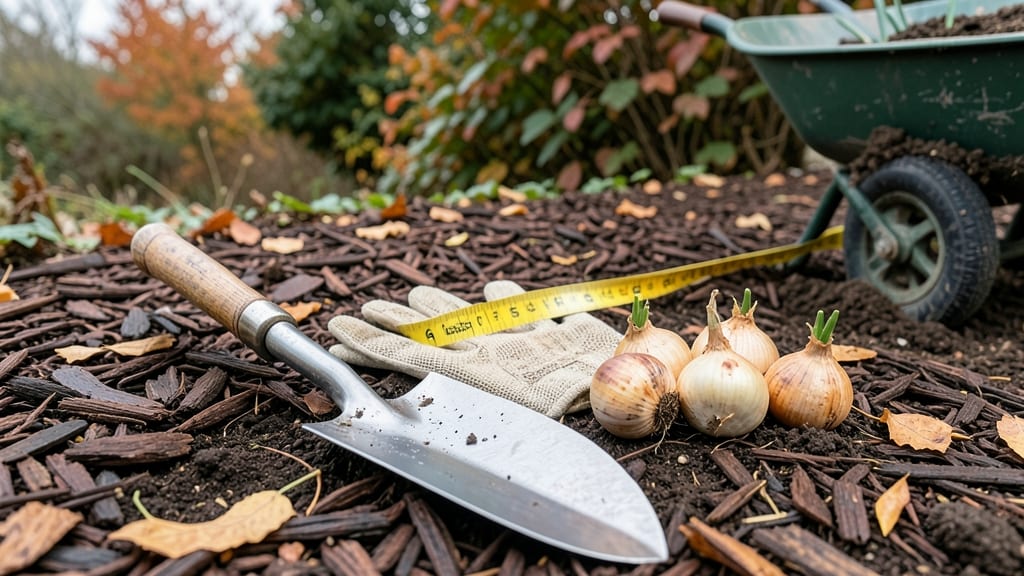
Planting daffodil bulbs at the wrong time in Massachusetts can mean the difference between vibrant spring blooms and wasted effort. The ideal window—October to November—lets these hardy 🌼 bulbs establish roots before winter, ensuring they burst into color come April.
Why does timing matter so much? In USDA Zone 5b-6b, frost can strike as early as mid-October, and planting too soon risks rot, while waiting too long means bulbs won’t root deeply enough.
I’ll break down the exact schedule, soil prep, and depth to guarantee your daffodils thrive—no guesswork needed.
You’ll learn how to adjust for your specific region, whether you’re in Boston or the Berkshires, and avoid common mistakes that even experienced gardeners make. With the right approach, your garden will reward you with months of cheerful blooms—starting next spring.
Ready to set your daffodils up for success? Let’s dive into the frost-proof planting schedule that works for Massachusetts gardens.
Ideal planting months for daffodils in Massachusetts based on soil temperature
Timing your daffodil bulb planting to soil temperature is critical in Massachusetts, where USDA Zones 5b-6b bring unpredictable frost. The sweet spot for planting is when soil temps hover between 40°F and 60°F, signaling dormancy without freezing risk.
This typically lands in October and November, but regional microclimates shift those windows.
In Boston and coastal areas (Zone 6b), you can push planting into early December—the ocean moderates temps. Meanwhile, Western MA (Zone 5b) demands earlier action, ideally by mid-October, to avoid early frosts that can damage bulbs.
Always check your last frost date (around April 15 in most areas) to time planting 6-8 weeks prior.
Soil temperature is your best indicator over calendar dates. Use a soil thermometer to confirm readiness—40°F is the lower limit for safe planting. If temps drop below 32°F, bulbs risk frost damage before roots establish.
In Western MA, this can happen as early as late October, while Boston may wait until November.
Avoid planting when soil is too warm (above 60°FSeptember is a risky month in most of MA—unless you’re in a warmer microclimate like Cape Cod. Always prioritize well-draining soil to prevent rot during winter.
For Zone 5b gardeners in Western MA, aim to finish planting by November 15. In these areas, soil temps can drop below 32°F by late November, leaving bulbs vulnerable.
Use mulch (3-4 inches) after planting to insulate soil and retain warmth. In Zone 6b, you have more flexibility—plant through early December if soil stays above 40°F.
Pro tip: Test your soil before planting. Daffodils thrive in sandy loam with a pH of 6.0-7.0. Amend heavy clay with compost or perlite to improve drainage.
Poor drainage leads to rotten bulbs during winter, even if planted at the right time. Always plant in full sun (6+ hours daily) for best bloom performance.
If you miss the optimal window, don’t panic. You can plant daffodil bulbs in December if soil hasn’t frozen—just add extra mulch. However, bulbs planted after January may not bloom until the following year.
For reliable spring blooms, stick to the October-November window and let soil temperature guide your schedule.
For localized advice, check resources like the Massachusetts Horticultural Society or your cooperative extension service. They track frost dates and soil temps annually.
In my Zone 5b garden, I’ve found that planting by Halloween ensures blooms by mid-April, just in time for spring’s first burst of color.
Remember:
Step-by-step daffodil planting schedule for Massachusetts frost zones
Massachusetts gardeners face a tight window for planting daffodil bulbs—too early, and frost zaps their energy; too late, and they won’t bloom in spring. The key is planting 6-8 weeks before ground freezes, typically between mid-October and Halloween for most of the state.
In Zone 5b (Western MA), aim for early October, while Zone 6b (Cape Cod) can wait until late October.
Your first step is checking soil temperature. Daffodils thrive when soil is between 40-60°F. Use a soil thermometer or watch for fall foliage changes—when maple leaves turn red, it’s time.
If your soil is still warm (above 60°F), wait 2-3 weeks. Cold soil below 40°F means bulbs won’t root properly before frost.
📅 Step-by-Step Planting Timeline for Massachusetts
- 📅 Early October (Zone 5b) – Plant by October 15 for 6-8 weeks of root growth before frost. Use a trowel to dig holes 6 inches deep and 4-6 inches apart.
- 🎃 Halloween (Zone 5b-6a) – Last safe deadline in most of MA. Choose a sunny spot with well-draining soil—daffodils hate soggy roots. Mix in compost for nutrients.
- 🍂 Late October (Zone 6b) – Cape Cod and coastal areas can plant until October 31. Plant deeper (6-8 inches) in sandy soil to protect bulbs from frost heaves.
- 🌡️ Soil Prep – Amend heavy clay with sand or perlite to prevent waterlogging. Test pH—daffodils prefer 6.0-7.0. Add bone meal (3 tbsp per hole) for extra phosphorus.
- 🌱 Planting Depth – Place bulbs pointy end up, 3x deeper than bulb height. For large bulbs (2+ inches), dig 8 inches deep. Space 4-6 inches apart for small blooms, 6-8 inches for standard varieties.
- 🍂 Mulch & Water – Cover with 2-3 inches of mulch (straw or shredded leaves) to insulate roots. Water deeply once after planting—no need to water again until spring.
- ❄️ Frost Watch – If frost hits before roots establish (yellow leaves in spring), cover with mulch or a lightweight frost blanket. Daffodils are hardy to Zone 3, but young roots need protection.
After planting, resist the urge to fertilize—daffodils need dormancy to store energy for spring. Instead, mark your planting spots with flags or stakes to avoid disturbing roots in spring.
In Zone 5b, expect blooms by mid-April; in Zone 6b, they’ll appear by early April. The earlier you plant, the earlier—and more abundantly—they’ll flower!
Pro tip: Plant tulips and daffodils together to deter squirrels. Daffodils’ bitter taste makes them squirrel-proof, while tulips add color contrast. Just keep them 6 inches apart—daffodils spread slower than tulips.
For containers, use well-draining mixes with 20% perlite and plant bulbs side-by-side in groups of 5-7 for dramatic displays.
Remember, Massachusetts’ first frost typically hits October 20, but Zone 5b areas can see frost as early as October 1. Set a reminder for 6 weeks before your average frost date—that’s your planting deadline.
With this schedule, you’ll wake up to vibrant yellow trumpets by spring, proving that timing is everything in gardening. 🌼