
Plants
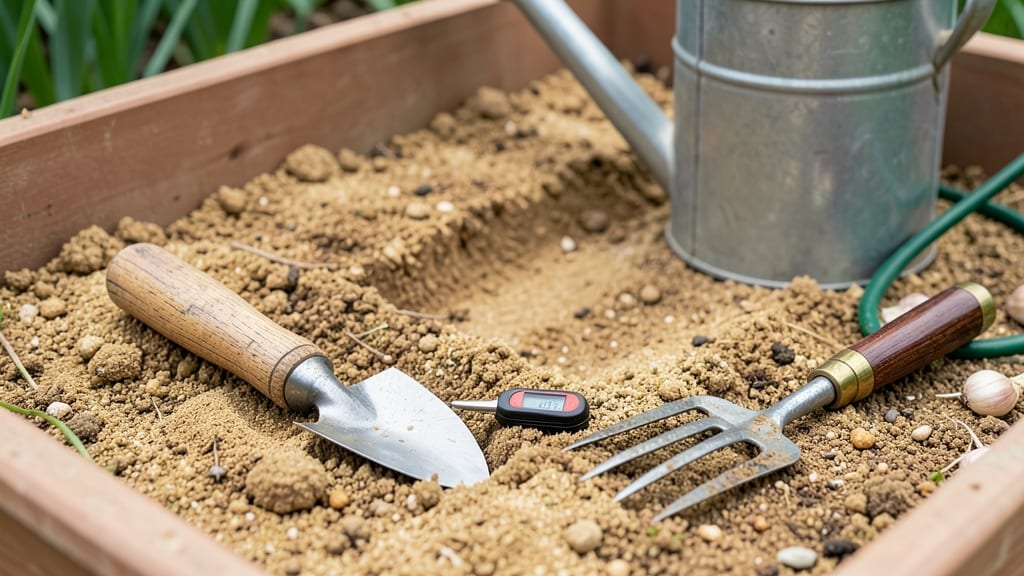
Planting daffodil bulbs in Michigan at the wrong time can mean the difference between a stunning spring display and wasted effort. The key window for fall planting is October through November, when soil temperatures drop but frost hasn't arrived yet—giving roots time to establish before winter.
In Zones 5b-6b, you'll want to get those 🌼 bulbs in the ground about 6 weeks before the first frost, typically by mid-October. This timing ensures your daffodils develop strong roots while avoiding the risks of early planting or late-season warmth that can trigger premature growth.
Why does this matter? Because Michigan's unpredictable fall weather can throw off even the best-laid plans. Too early, and your bulbs might rot in warm, wet soil; too late, and they won't have time to root before freezing temperatures set in.
I'll walk you through exactly how to time your planting, check soil readiness, and avoid common mistakes that could leave your garden looking bare next spring. Let's get those daffodils in the ground the right way.
Michigan daffodil planting calendar: exact months by Zone 5-6
Michigan’s Zone 5-6 climate creates a tight window for planting daffodil bulbs—just 6 weeks before ground freeze. In most years, that means mid-October to early November, but unpredictable fall weather can shift this by weeks.
Plant too early, and bulbs may rot from excess moisture; too late, and they won’t root before winter. Let’s break down the exact timing for your specific zone.
Daffodils thrive when soil temperatures drop to 50-60°F—ideal for root establishment before dormancy. In Zone 5b (northern Michigan), aim for October 1-15, while Zone 6b (southern Michigan) can extend until November 1-10. Use your last frost date (typically October 15) as your anchor, then count backward.
| Zone | Ideal Planting Window | Soil Temp | Risk if Planted |
|---|---|---|---|
| 5b | October 1-15 | 50-60°F | Rot (early) / Poor rooting (late) |
| 6a | October 15-Nov 1 | 50-60°F | Rot (early) / Weak growth (late) |
| 6b | October 25-Nov 10 | 50-60°F | Rot (early) / No blooms (late) |
*Adjust 1-2 weeks earlier for sandy soils or later for clay.
Unpredictable Michigan weather can throw off your timing. If warm fall temperatures linger, bulbs may sprout too early and get fried by a sudden frost. Conversely, early snow cover can delay planting.
Use a soil thermometer to confirm 50-60°F—this is your green light. If temps drop below 40°F, plant immediately, even if it’s not your ideal date.
For early bloomers, prioritize planting in October.
These varieties need 10-12 weeks of chill time to flower, so don’t wait until November. Late bloomers (like Jonquil or Ice Follies) can stretch into early November, but avoid planting after November 15—they won’t root in time for spring blooms.
If you miss the fall window, don’t panic! Daffodils can be planted in early spring (as soon as soil is workable, around March-April), but expect delayed blooms that year. Spring-planted bulbs also need consistent moisture to establish roots before summer heat sets in.
Pro tip: Mark your planting date on a calendar and note the soil temperature that day. Over time, you’ll spot patterns in your microclimate. For example, Detroit gardeners often plant 2 weeks later than those in Traverse City due to warmer fall soils.
Before planting, amend your soil with compost or bone meal to boost phosphorus—daffodils crave it for strong roots. Plant bulbs 6 inches deep and 6 inches apart in well-draining soil. In heavy clay, consider raised beds or adding sand or perlite to prevent waterlogging.
Watch for squirrels and deer, which love fresh daffodil bulbs. If you’re in a high-risk area, plant bulbs deeper (8 inches) or use chicken wire cages until roots establish. Mulch with straw or shredded leaves after planting to insulate bulbs from freeze-thaw cycles.
Finally, track your blooms! Note which varieties thrive in your zone and adjust future planting dates accordingly. With practice, you’ll nail the perfect Michigan daffodil timeline—guaranteed spring color year after year. 🌼
5 Signs your Michigan soil is ready for daffodil bulbs (before planting)
Before you rush out to plant those daffodil bulbs, Michigan's unpredictable soil conditions demand careful prep. The wrong timing or soil type can leave your bulbs struggling—or worse, rotting—before spring.
I’ve learned the hard way that clay-heavy soils in southern Michigan and sandy loam in the north both need special attention to give daffodils the perfect start.
Ideal soil for daffodils should be cool but unfrozen, well-draining, and rich in organic matter. In Michigan’s Zones 5b-6b, this typically means waiting until mid-October, but the real test is checking these five key conditions.
Skip these steps, and you might end up with bulbs that either rot in soggy soil or fail to root before winter.
Michigan’s clay soils in the southern part of the state (like Kalamazoo or Detroit) need extra prep—mix in sand or coconut coir to break up compaction. Meanwhile, sandy soils in the UP or northern Lower Peninsula dry out quickly, so mulch heavily after planting to retain moisture.
I’ve seen daffodils flourish in both extremes once the soil was prepped correctly!
Pro tip: If your soil fails any of these tests, don’t panic. Amending soil takes time, but even a few weeks of composting can make a difference.
For clay-heavy gardens, try planting in raised beds filled with a mix of topsoil, compost, and perlite—this gives bulbs the perfect head start. Once your soil passes these five checks, you’re ready to plant with confidence for vibrant spring blooms! 🌼