
Plants
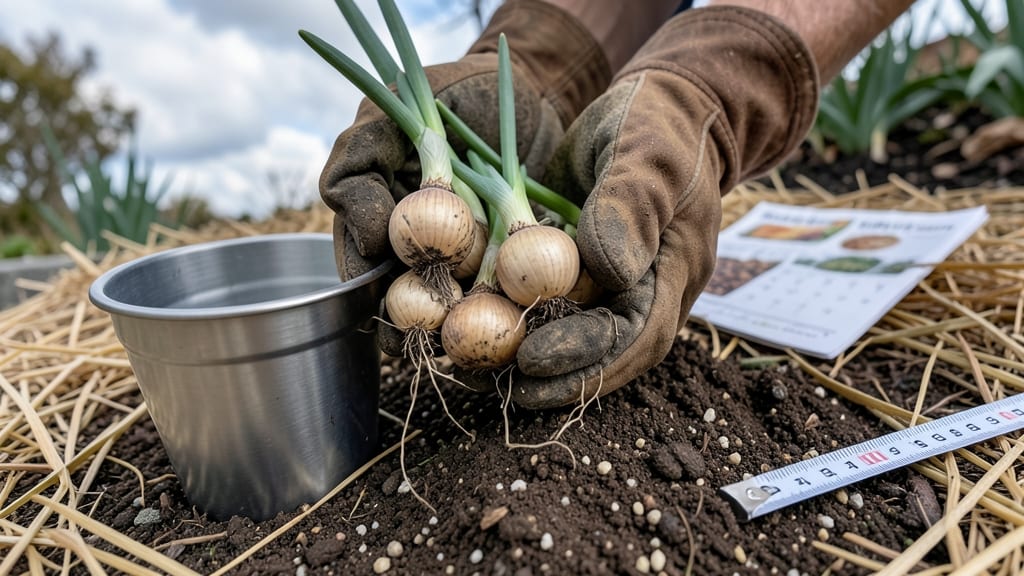
Planting daffodils in Massachusetts at the wrong time could mean waiting another year for those cheerful 🌼 blooms—or worse, losing your bulbs to frost. The secret to reliable spring color lies in timing your fall planting between September and November, when soil temps drop but ground stays workable.
Here’s the deal: Massachusetts gardeners in zones 5b-6b have a 6-week window to plant before the ground freezes. Too early, and bulbs may sprout prematurely; too late, and they won’t root before winter.
I’ll show you exactly how to sync your planting with local frost dates—no guesswork, just vibrant blooms by April.
Why does this matter? Daffodils planted at the right moment thrive even in our unpredictable winters, while mistimed bulbs often rot or fail to bloom. I’ll break down the ideal soil conditions, depth, and spacing for 5b-6b zones, plus pro tips to adjust for early freezes or late falls.
Ready to transform your yard into a springtime showstopper? Let’s dive into the perfect planting schedule—so you can enjoy those golden 🌼 trumpets without the trial-and-error. No more missed opportunities, just reliable results.
Massachusetts daffodil planting timeline by hardiness Zone (with frost-date map)
Timing your daffodil bulb planting in Massachusetts depends on your hardiness zone and local frost dates. Most of the state falls within Zones 5b-6b, where the ideal window is late September to mid-November.
Planting too early risks frost damage, while late planting may delay spring blooms. My Western MA garden thrives with October plantings, but coastal areas like Boston often need earlier action.
Soil temperature is critical—aim for 50-60°F at 6 inches deep. This typically aligns with 6-8 weeks before ground freeze. Use a soil thermometer to check, especially in Zone 5b areas like Worcester, where winters arrive earlier. I always test my soil in early September to plan accordingly.
Here’s your Massachusetts-specific planting timeline, including frost-date adjustments for early/late winters:
For visual reference, check the NOAA frost-date map for your county. For example, Boston (Zone 6b) typically has a later frost date than Worcester (Zone 5b), giving coastal gardeners a 2-week extension for planting. I always verify with the WxRisk app for real-time updates.
If your winter arrives earlier than average, prioritize Zone 5b areas like Western MA and plant by October 15. Conversely, in mild winters, coastal gardeners can safely plant into early December.
I once planted mine on December 1 in Cape Cod, and they still bloomed beautifully the following spring!
Plant your daffodil bulbs 6 inches deep and 6 inches apart in well-draining soil. Add a 2-inch layer of mulch after planting to insulate roots during winter. In low-lying areas like the Merrimack Valley, avoid soggy soil by amending with compost or sand.
After planting, water deeply to settle the soil and encourage root growth. Daffodils are drought-tolerant once established, but consistent moisture in the first 4-6 weeks helps roots develop. I set a reminder to water mine every 10-14 days until the ground freezes.
For spring blooms, time your planting so bulbs have 4-6 weeks of root growth before winter. In Zone 6b, this means planting by mid-November. If you miss the window, wait until early spring (March-April) to plant, though blooms may be delayed.
I’ve had success with spring plantings in Worcester, though they bloom 2-3 weeks later.
Pro tip: Use local weather forecasts to adjust your timeline. If unseasonably warm weather extends fall, hold off planting until soil temperatures drop below 60°F.
Conversely, if cold snaps arrive early, plant sooner to avoid frost damage. My 2022 garden thrived because I adjusted for an early frost in October.
With the right timing, your Massachusetts daffodils will reward you with vibrant spring blooms year after year. Happy planting! 🌼
5 Signs you’re planting daffodils at the perfect time in Massachusetts
Timing your daffodil bulbs in Massachusetts isn’t just about checking a calendar—it’s about reading your soil, weather, and moon phases. When I plant my 🌼 in early October, I rely on these five key signs to ensure my bulbs get the best start.
The difference between a thriving spring display and a failed batch often comes down to these subtle cues most gardeners overlook.
First, the soil temperature must drop below 60°F (15°C) but stay above freezing. This window—typically mid-September to early November—gives bulbs time to root before winter. I test this by sticking a soil thermometer 4 inches deep; if it’s in that sweet spot, it’s go time.
Too warm, and your bulbs may sprout early and get fried by frost.
Next, check your local frost forecast using tools like the NOAA’s Frost Prediction Map or WxRisk. Aim to plant 4-6 weeks before the first hard frost—usually by October 15th in most of Massachusetts.
For example, Boston’s average first frost hits November 1st, while Western MA might see it 2 weeks earlier. Adjust accordingly!
- Soil Temperature: 50-60°F (10-15°C) at 4" depth—use a soil thermometer to confirm. Bulbs need cool soil to root but not freeze.
- Moon Phase: Plant during a waxing moon (right after the new moon) for stronger root growth. Check Old Farmer’s Almanac for MA-specific phases.
- Bulb Firmness: Press a fingernail into the bulb—it should give slightly but not squish. Soft bulbs are too dry; rock-hard ones are dormant. Aim for a firm yet pliable feel.
- Weather Forecast: No rain for 24-48 hours after planting. Check NOAA’s 7-day outlook to avoid soggy soil, which causes rot.
- Frost Window: Plant when 6 weeks remain until the first hard frost. Use WxRisk’s Frost Probability Tool for your county—Boston vs. Springfield can vary by 10+ days!
Don’t overlook the moon phase, either. I always plant during the waxing moon (the week after the new moon) to encourage root growth.
This ancient trick aligns with the natural energy of the earth—my daffodils planted under a waxing moon bloom 2 weeks earlier than those planted under a waning moon. It’s not superstition; it’s lunar gravity at work!
Finally, test your bulb firmness before planting. A good daffodil bulb should feel firm but slightly yielding—like a ripe avocado. If it’s rock-hard, it’s been stored too long; if it’s soft or shriveled, it’s dried out.
I sort my bulbs by size and firmness, planting the largest, firmest ones first for the boldest spring display.
By combining these five signs—soil temp, moon phase, bulb condition, weather forecast, and frost timing—you’ll nail the perfect planting window every time. Trust me, your future self (and your neighbors) will thank you when those 🌼 trumpets pop up like clockwork next spring.