
Plants
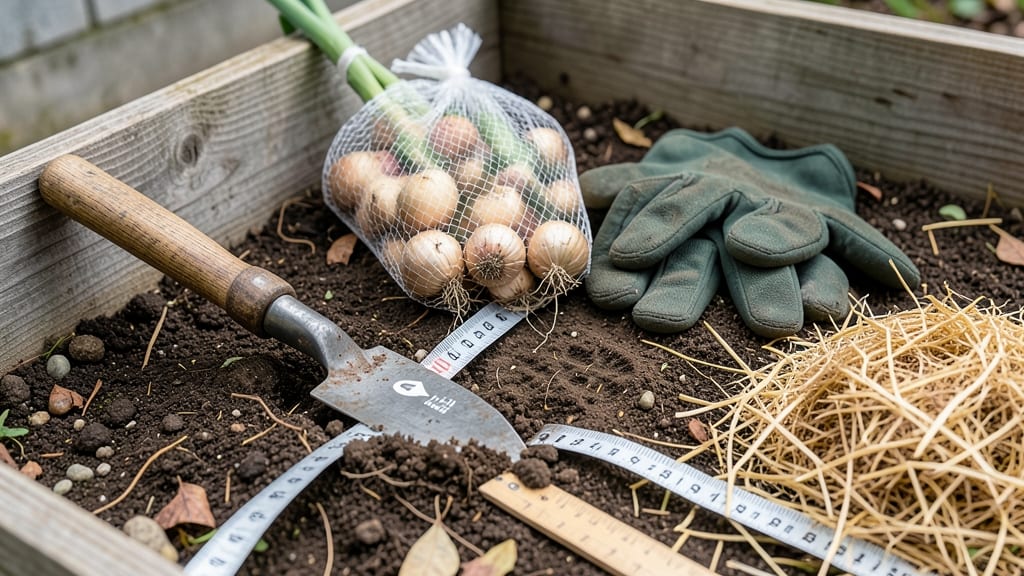
Planting daffodils in Virginia at the wrong time can mean the difference between a garden bursting with 🌼 come spring and a pile of mushy bulbs lost to winter.
The key isn't just picking a month—it's understanding how Virginia's 6a-7b climate zones create microclimates where timing shifts from the Piedmont to the Tidewater.
Most gardeners in Virginia swear by fall planting, but there's a sweet spot between October and November that gives bulbs time to root before the ground freezes. Plant too early, and they'll rot in damp soil; too late, and they won't establish before winter sets in.
I've learned the hard way that rushing or waiting too long can turn your daffodil dreams into a soggy mess.
What makes Virginia unique is how its regions behave differently—Coastal areas might handle late November plantings, while mountain zones need to get bulbs in by early October.
The goal is simple: give those bulbs 4-6 weeks of root growth before the first frost, which typically hits mid-October but can vary wildly depending on where you live.
Don't worry if you missed the fall window—spring planting is possible, but it requires extra care to keep bulbs from drying out. I'll walk you through both methods, plus soil prep tricks that'll make your daffodils thrive no matter when you plant.
Let's get those bulbs in the ground the right way.
Best fall planting dates for daffodils in Virginia’s climate zones
Virginia’s diverse climate—from the Coastal Plain to the Blue Ridge Mountains—means daffodil planting dates vary by USDA Zone and microclimate. In Zone 6a (northern VA), first frosts arrive by mid-October, while Zone 8a (southern VA) may see frost as late as December.
Planting too early risks bulb rot in cold, wet soil; too late, and roots won’t establish before winter. Aim for 4–6 weeks before ground freezes for optimal success.
For Coastal Plain regions (Zones 7b–8a), like Norfolk or Richmond, daffodils thrive when planted from mid-October through November. The milder winters here allow a longer window, but avoid planting after November 15 to prevent frost damage to emerging shoots.
In contrast, Piedmont areas (Zones 6b–7a), such as Charlottesville or Lynchburg, demand earlier action—late September to early October—to ensure roots harden before winter’s chill.
Mountainous regions in Zone 6a, like Roanoke or Blacksburg, face earlier frosts. Here, plant daffodils by mid-September at the latest. Soil temperatures below 50°F (10°C) slow root growth, so prioritize well-draining sites and mulch heavily after planting.
Even within zones, elevation matters: a 500-foot difference can shift frost dates by 1–2 weeks.
Virginia’s first frost dates aren’t set in stone—check local Cooperative Extension reports for your county. For example, Northern Virginia (Zone 7a) typically sees frost by October 20, while Southside (Zone 7b) may wait until November 5.
Use these dates to calculate your 6-week planting window backward. Pro tip: Plant after soil cools to 60°F (15°C) but before ground freezes.
Here’s how Virginia’s three key regions break down for daffodil planting:
Spring planting is not recommended for daffodils—they need 6–8 weeks of cool soil to establish roots before summer heat arrives. However, if you miss fall’s window, you can plant in early spring (March), but expect fewer blooms that first year.
For best results, stick to fall and adjust your timing based on your local frost date.
Microclimates add another layer of complexity. Urban areas like Arlington or Alexandria may experience heat islands, delaying frost by 1–2 weeks compared to rural areas. Conversely, valleys (e.g., Shenandoah Valley) often see frost 10–14 days earlier than surrounding hills.
Use a minimum-maximum thermometer to track your garden’s unique patterns over 3 years for precise planting.
For container gardening in Virginia, timing shifts slightly. Potted daffodils can handle slightly later planting (up to December 1 in Zones 7b–8a) because containers warm faster in spring. However, ensure pots have drainage holes and use lightweight potting mix to prevent waterlogged bulbs.
In Zone 6a, stick to the mid-September deadline—containers freeze more easily than in-ground beds.
Protect your investment with mulch. After planting, apply 3–4 inches of straw or shredded leaves to insulate bulbs. In Zone 6a, add an extra 2 inches of mulch for mountain gardens, where hard freezes (-5°F/-20°C) can occur. Remove mulch in
How to prepare soil and plant daffodil bulbs for Virginia’s winter
Once you've picked your planting window, Virginia’s freeze-thaw cycles demand extra prep to protect those daffodil bulbs. I’ve learned that soil drainage and mulching are non-negotiable in our region—especially in heavy clay soils common to the Piedmont.
Without proper prep, bulbs can rot before spring. Start by testing your soil’s drainage: if water pools after 6 hours, you’ll need to amend it.
Daffodils thrive in well-draining soil with a slightly acidic to neutral pH (6.0-7.0). Work in 2-3 inches of compost or aged manure to improve fertility and structure. For sandy soils, mix in peat moss to retain moisture; for clay, add coarse sand or perlite to break up compaction.
My garden’s clay-heavy spots needed a 50/50 mix of compost and sand to prevent waterlogging.
- Step 1 Choose the right location: Select a spot with 6+ hours of sunlight and avoid low-lying areas where cold air pools.
- Step 2 Amend the soil: Dig a 12-inch-deep hole and mix in 3 inches of compost. For heavy clay, add 1 part sand to 2 parts soil.
- Step 3 Plant bulbs at the right depth: Place bulbs 6-8 inches deep (twice their height) with the pointy end up. Space them 4-6 inches apart for small varieties.
- Step 4 Water thoroughly: After planting, deep-water the area to settle soil and encourage root growth. Avoid overwatering—bulbs need moist but not soggy soil.
- Step 5 Mulch for winter protection: Apply a 3-inch layer of mulch (straw or shredded leaves) after the ground freezes. This insulates bulbs from freeze-thaw cycles and prevents heaving.
Virginia’s freeze-thaw cycles can push bulbs out of the ground, so mulching is your best defense. Use straw or shredded leaves—they’re lightweight yet insulating. Avoid thick layers of grass clippings, which can mat down and trap moisture.
In my Zone 7a garden, I’ve seen bulbs survive winters with just 2 inches of mulch, but colder Piedmont areas benefit from 3-4 inches.
After planting, water deeply but infrequently—daffodils hate soggy soil. Once the ground freezes, reduce watering to prevent rot. In spring, remove mulch as soon as the soil thaws to allow sunlight to reach the emerging foliage.
This simple step ensures your daffodils get the energy they need to bloom vibrantly next year.
If you’re planting in late fall (December), protect bulbs with extra mulch and consider a light frost cloth in extreme cold snaps. My Tidewater garden sometimes gets unexpected freezes, so I’ve taken to covering newly planted beds with burlap until the ground stabilizes.
A little extra care now means bold blooms in March.
Remember: well-prepped soil and proper mulching are your secret weapons against Virginia’s unpredictable winters. Follow these steps, and your daffodils will reward you with years of reliable blooms—no soggy surprises included. 🌼