
Plants
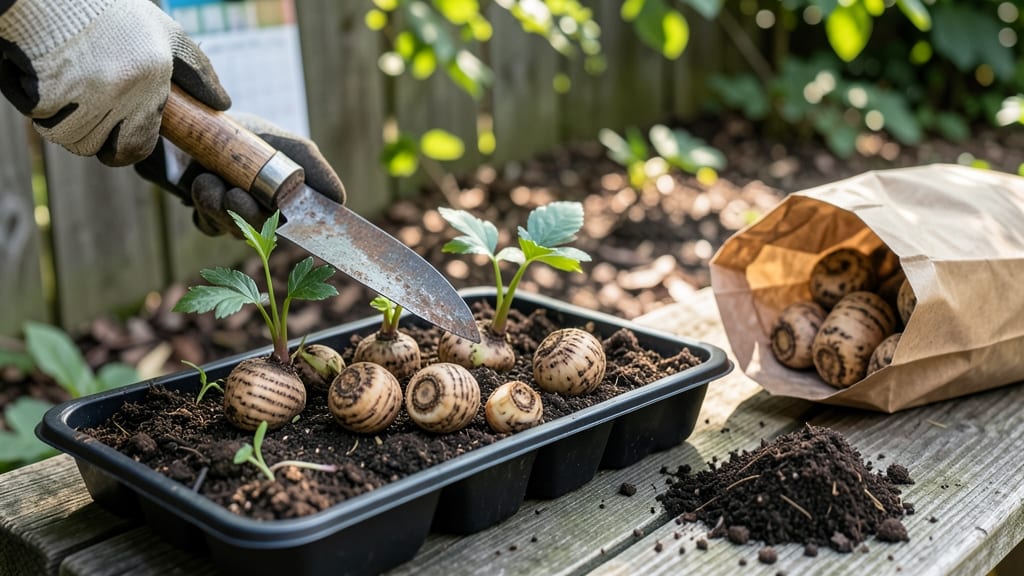
Timing your dahlias 🌸 just right in Kentucky means the difference between vibrant blooms and sad, stunted plants—so let’s get this right from the start.
Most gardeners in USDA Zone 6a wait until after the last frost (usually late April to early May) to plant, but soil temperature is the real game-changer. Tubers need 60°F+ soil to thrive, and Kentucky’s unpredictable spring weather can throw off even the best-laid plans.
In this guide, I’ll walk you through exactly when to plant—whether you’re starting with tubers or transplants—and how to prepare your garden bed for maximum success. No more guessing, just show-stopping dahlias all season long.
Ready to turn your garden into a dahlia paradise? Let’s dive into the perfect planting window for your Kentucky climate.
Optimal Kentucky dahlia planting dates based on soil temperature
Kentucky gardeners know timing is everything when it comes to dahlias—these stunning bloomers demand warm soil and frost-free conditions to thrive. Unlike hardy perennials, dahlias are sensitive to cold, so planting too early can leave your tubers vulnerable to rot or frost damage.
The key is waiting until your soil hits 60°F (15°C) consistently, which typically lands in late April to early May across most of Kentucky.
But here's the catch: Kentucky's diverse microclimates mean your exact planting window could vary by 2-3 weeks depending on whether you're in the Bluegrass region (warmer) or Pennyrile area (cooler). For example, Louisville gardeners might start planting by mid-April, while those in Paducah should wait until early May.
Let's break down the science behind these dates and how to test your soil accurately.
| Region | Soil Temp Threshold | Ideal Planting Window | Key Consideration |
|---|---|---|---|
| Bluegrass (Lexington, Louisville) | 60°F+ (15°C) | Late April - Early May | Warmer microclimate |
| Central KY (Frankfort, Bowling Green) | 60°F+ (15°C) | Early May | Moderate climate |
| Pennyrile (Paducah, Western KY) | 60°F+ (15°C) | Early May - Mid-May | Cooler nights |
| Soil Test Method | |||
| Digital Soil Thermometer | $15-$25 | Most accurate | Check 6" deep |
| DIY Test (Potato Method) | Free | Quick estimate | Place raw potato in soil for 15 mins |
You might be wondering why soil temperature matters more than air temperature for dahlias. The answer lies in their tuber-based growth. Dahlias store energy underground, and they won't sprout until the soil warms enough to activate their root systems.
Planting in cold soil can cause the tubers to rot before they even have a chance to grow. That's why I always recommend waiting until you've confirmed your soil is consistently at 60°F (15°C) for at least 3-5 days.
For Kentucky gardeners, this typically aligns with 4-6 weeks after your last frost date. But don't rely solely on frost dates—check your local weather station or use a soil thermometer for accuracy.
I've found that even in the warmer Bluegrass region, planting before mid-April can still be risky if we get those late spring frosts that Kentucky is famous for.
There's also a difference between planting dahlia tubers and transplants. Tubers should go into the ground as soon as your soil hits 60°F, while transplants (young plants you've started indoors) can tolerate slightly cooler soil temperatures.
However, I still recommend waiting until at least 55°F (13°C) for transplants to minimize shock. This gives you a slightly longer window—sometimes until mid-May—if you've been growing your dahlias indoors.
One common mistake I see Kentucky gardeners make is testing soil temperature in the morning when it's coolest. For accurate readings, always check your soil in the late afternoon when it's warmed by the sun.
I like to take readings at 4 PM for 3 consecutive days to confirm consistency. This simple habit has saved me from planting too early more times than I can count!
If you're in doubt about your local conditions, consider starting a few tubers indoors 6-8 weeks before your target planting date. This gives you a head start and allows you to transplant the young plants once your soil is ready.
For Kentucky's climate, this means beginning your indoor starts around mid-March. The trade-off is
Kentucky’s frost-free window: how to calculate your exact planting timeline
Kentucky’s USDA Zones 6 and 7 create a perfect climate for dahlias, but getting your planting timeline wrong can mean the difference between stunning blooms and frost-damaged tubers. The key is understanding your frost-free window, which varies by county—even within the same region.
For most of Kentucky, this window typically opens around mid-April to early May, but exact dates depend on local microclimates.
To pinpoint your last frost date, start with the USDA Zone 6/7 averages—Louisville averages April 15, while Lexington leans closer to April 20. However, these are just starting points.
For dahlias, you’ll want to plant 4-6 weeks after that last frost date to ensure your tubers have time to establish roots before summer heat arrives. This usually lands you in late April to early May for most gardeners.
⚠️ callout warning ⚠️
Even if your last frost date passes, soil temperature must reach 60°F (15°C) for dahlias to thrive. Cold soil slows root growth, making plants vulnerable to rot or frost damage if a late freeze hits. Use a soil thermometer—planting when the soil consistently stays above 60°F is non-negotiable.
💡 Pro Tip: Check the Old Farmer’s Almanac or your local Cooperative Extension Service for historical frost data specific to your county. Add 7-10 days to the average last frost date as a safety buffer.
Next, cross-reference your USDA Zone data with local weather station records. Websites like the National Oceanic and Atmospheric Administration (NOAA) provide historical frost data for your exact location.
For example, Bowling Green’s last frost date often drifts closer to April 25, while Paducah may not be frost-free until May 5. These variations matter because dahlias need warm soil and stable temperatures to avoid stress.
Once you’ve nailed down your last frost date, add 4-6 weeks to determine your ideal planting window. This buffer accounts for soil warming and gives dahlias time to develop a strong root system before Kentucky’s summer heat kicks in.
For instance, if your last frost is April 15, aim to plant between May 10 and May 25. This window ensures your dahlias are established before the dog days of summer arrive.
For extra precision, use a frost date calculator like the one from the Old Farmer’s Almanac or your local agricultural extension office. These tools factor in elevation, latitude, and local weather patterns to give you a customized frost-free window.
In Kentucky’s higher elevations (like the Appalachian regions), you might need to wait until early May, while western Kentucky’s warmer microclimates could allow planting as early as late April.
Finally, mark your calendar for 2-3 weeks after your calculated planting window to begin regular fertilizing and watering. Dahlias thrive with consistent moisture and nutrient-rich soil, so timing these tasks correctly ensures your plants bloom prolifically from July to October.
By mastering your frost-free window, you’ll set your dahlias up for a show-stopping season—no wilted disappointment in sight! 🌸