
Plants
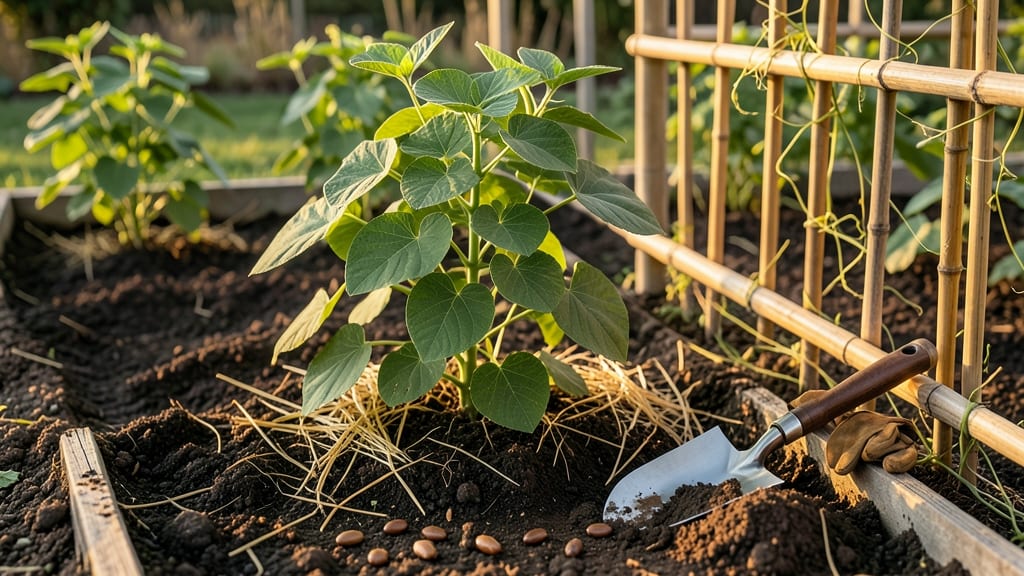
Planting cowpeas in Oklahoma at the wrong time can mean the difference between a thriving 🌱 cowpea harvest and wasted effort. With the state's unpredictable spring weather and shifting USDA zones 6a-7b, timing is everything—especially when you're aiming for those sweet, tender pods by summer.
Most Oklahoma gardeners know the general rule: wait until after the last frost date, but what if your soil stays cool long after April? The key is watching for soil temperatures to hit at least 60°F, which often means delaying planting until late May in northern zones.
I've learned the hard way that rushing these heat-loving plants leads to stunted growth or worse.
Here's what I've discovered works best: two planting windows—April-June for spring crops and August-September for fall harvests. Each approach requires different prep work, from soil warming tricks to selecting the right varieties for Oklahoma's short growing season.
Let me walk you through exactly how to time it right for your specific corner of the state.
You'll also find out which cowpea varieties handle Oklahoma's summer heat best, how to extend your planting window with simple tools, and why some gardeners swear by companion planting to boost yields.
By the end, you'll have a clear schedule tailored to your local microclimate—no more guessing games when it's time to plant.
Oklahoma cowpea planting calendar: soil temperature & frost-free deadlines
Timing is everything when planting cowpeas in Oklahoma, where soil warmth and frost-free windows vary dramatically across regions. Cowpeas thrive when soil temperatures hit 65°F+, but planting too early risks frost damage, while waiting too long shortens your harvest window.
Oklahoma spans USDA Zones 6b-8a, meaning your local microclimate dictates the perfect planting window.
Northern Oklahoma (like Oklahoma City and Lawton) typically has later last frost dates (April 15-20) compared to southern areas (like Tulsa, where frost ends by March 25).
Meanwhile, western Oklahoma’s arid conditions can heat soil faster, while eastern areas stay cooler longer. Let’s break down the ideal planting calendar by region to maximize your cowpea yield.
🌱 Key Rule: Plant cowpeas 2-3 weeks after your area’s last frost date AND only when soil reaches 65°F+. Use a soil thermometer to confirm—cowpeas won’t germinate in cooler soil, no matter how late spring seems to arrive.
| Region | USDA Zone | Last Frost Date | Ideal Planting Window | Soil Temp Requirement | Harvest Window |
|---|---|---|---|---|---|
| Northern OK (OKC, Lawton) | 6b-7a | April 15-20 | May 1 - May 15 | 65°F+ (consistent) | July 15 - Sept 15 |
| Central OK (Tulsa, Stillwater) | 7a-7b | March 25 - April 5 | April 15 - May 1 | 65°F+ (sooner in west) | June 15 - Sept 30 |
| Southern OK (Oklahoma City) | 7b | March 15 - March 30 | April 1 - April 15 | 65°F+ (west side warms faster) | June 1 - Oct 1 |
| Western OK (Amarillo, Altus) | 7a-8a | March 1 - March 15 | March 20 - April 5 | 60°F+ (dries out faster) | May 15 - Oct 15 |
| Summer Succession Planting | All Zones | N/A | July 15 - August 15 | 70°F+ (heat-tolerant varieties) | Sept 1 - Nov 1 |
⚠️ Note: Adjust dates 1 week earlier in western OK (drier, warms faster) and 1 week later in eastern OK (moister, cools slower).
For northern Oklahoma (like Lawton), wait until May 1 to plant—earlier sowings risk late frosts that can kill young seedlings. In Tulsa and central Oklahoma, you can start as early as April 15, but always check soil temps with a thermometer. Southern
Signs your Oklahoma soil is ready for cowpeas (and how to Fix delays)
Cowpeas thrive when your Oklahoma soil reaches 65°F+—but cool springs often delay planting. Check for leaf drop from nearby plants like okra or sweet potatoes, a sure sign the ground has warmed enough.
This simple test saves you from guessing and ensures your cowpea seeds sprout quickly instead of rotting.
For a precise reading, bury a soil thermometer 2 inches deep in full sun. If it consistently shows 60°F or warmer for 3 days, your soil is ready. Morning checks work best since temperatures dip overnight. In northern Oklahoma, this might mean waiting until late May.
⚠️ WARNING: Planting Too Early ⚠️
- Seed rot (fungus attacks damp soil)
- Stunted growth (plants stretch toward warmth)
- Delayed harvest (30+ days lost in short Oklahoma seasons)
If your soil stays below 65°F past early June, try row covers (lightweight fabric) to protect young plants from late frosts. These create a microclimate that warms soil faster—ideal for Tulsa’s Zone 7b where springs linger cool. Remove covers once plants hit 6 inches tall.
For summer plantings (August-September), focus on soil moisture over temperature. Cowpeas wilt quickly in dry Oklahoma summers, so mulch heavily with straw to retain 1-1.5 inches of water weekly. A drip irrigation system keeps roots consistently moist without overhead watering.
Test soil readiness one last time by pressing your finger 1 inch deep. If the soil feels warm and crumbly (not sticky), it’s perfect. Cowpeas hate soggy conditions, so avoid planting after heavy rains unless your soil drains well.
Well-draining soil prevents root rot, a common killer in Oklahoma’s clay-heavy areas.
Pro tip: Plant purple hull cowpeas first—they tolerate cooler soils slightly better than black-eyed peas. Start with a small test patch to gauge your soil’s readiness before committing to full rows. Adjust future plantings based on these early results!