
Planting
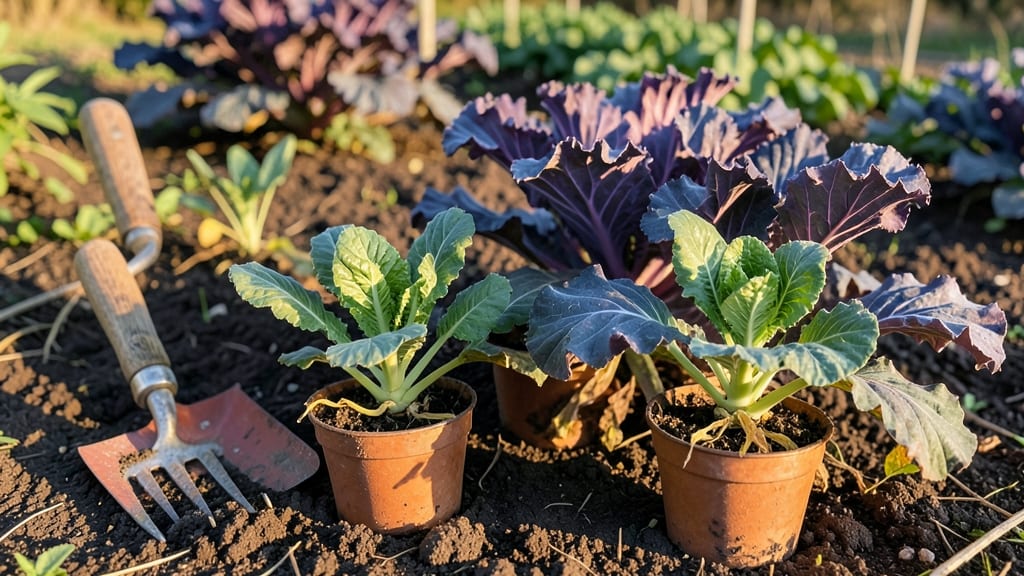
Planting your fall garden in Central Texas at the wrong time can mean the difference between a bountiful harvest and wasted effort. The key is timing—get it right, and you’ll enjoy fresh 🥬 greens and root vegetables well into December.
With USDA zones 8a-9a, Central Texas gardeners have a narrow window to work with, typically from mid-August to mid-October. Plant too early, and your crops may bolt before frost; too late, and they won’t mature in time.
But don’t worry—this guide breaks down the exact weeks before your first frost to maximize your yield.
Whether you’re growing leafy greens, hearty root vegetables, or cold-hardy herbs, knowing when to plant is everything. I’ll walk you through the best crops for your zone, how to prep your soil, and even how to extend your growing season with simple tricks.
Ready to turn your backyard into a productive fall garden? Let’s get started with the perfect planting schedule for your Central Texas climate.
Critical planting windows in Central Texas: exact weeks before first frost
Central Texas gardeners face a tight window between scorching summer heat and early frosts—typically between November 15 and December 10. To maximize your fall harvest, timing is critical: plant too early, and your greens bolt; too late, and frost ruins tender crops.
The key is understanding soil temperature thresholds and weeks-to-maturity for each variety. With Central Texas' USDA Zones 8a-9a, we have just 8-12 weeks before frost to grow cool-season crops.
Most cool-season vegetables thrive when soil temperatures drop below 85°F but stay above 40°F. For example, leafy greens like spinach need daytime temps under 75°F to avoid bolting, while root crops like carrots can tolerate cooler soil.
Heat-tolerant varieties like Malabar spinach or Swiss chard give you a 2-3 week extension compared to traditional lettuce.
Here’s the golden rule: Start planting 6-8 weeks before your average first frost date. For Central Texas, that means mid-August to early October for most cool-season crops.
However, fast-maturing varieties (like radishes or bush beans) can be sown as late as mid-October, while longer-season crops (like broccoli or cabbage) need to be in the ground by early September.
| Plant Category | Weeks Before Frost | Soil Temp Threshold (°F) | Central TX Planting Window | Notes |
|---|---|---|---|---|
| Leafy Greens (Lettuce, Spinach, Kale) | 6-8 | 50-75 | Mid-August - Early October | Bolt risk if soil >75°F |
| Root Crops (Carrots, Beets, Radishes) | 6-10 | 45-80 | Late July - Mid-September | Radishes mature in 30 days |
| Brassicas (Broccoli, Cabbage, Cauliflower) | 8-12 | 50-70 | Early August - Early September | Need consistent moisture |
| Herbs (Cilantro, Dill, Parsley) | 4-8 | 50-80 | Late August - Late September | Cilantro bolts in heat |
| Heat-Tolerant Greens (Malabar Spinach, Swiss Chard) | 4-6 | 60-90 | Late August - Mid-October | Extend season by 2-3 weeks |
| Flowers (Calendula, Snapdragons, Pansies) | 6-10 | 50-75 | Mid-August - Early October | Pansies tolerate light frost |
For frost-sensitive crops like basil or cucumbers, your window closes by mid-September. These plants need 90+ days to mature, so start seeds indoors in early July and transplant by late July.
Meanwhile, hardy greens like kale or collards can handle light frosts and may even sweeten after frost, making them ideal for late plantings.
Soil temperature is just as critical as air temperature. Use a soil thermometer to confirm readiness—most cool-season crops prefer soil between 50-75°F. In Central Texas, soil temps drop below 80°F by mid-August in most areas, signaling it’s time to start sowing.
If your soil is still too warm, opt for shade cloth or succession planting to cool roots gradually.
Don’t forget about microclimates—areas near lakes or with afternoon shade may stay cooler longer. For example, Austin’s Hill Country regions can have 1-2 weeks later frost dates than urban areas like San Antonio. Adjust your planting schedule accordingly, aiming for 2-3 weeks earlier in hotter microclimates.
One common mistake is overestimating plant maturity. Always check seed packets for days-to-harvest and subtract 10-15 days for slower growth in fall. For instance, if a variety claims 60 days to maturity, plant it 75 days before frost to account for cooler temps.
Use this formula: (Days to Maturity + Safety Margin) = Planting Window.
Pro tip: Succession planting every 2-3 weeks ensures a continuous harvest. Start with fast growers like radishes or lettuce in late August, followed by medium-term crops (spinach, carrots) in early September, and longer-season crops (broccoli, cabbage) by mid-September. This staggered approach maximizes space and yield.
Finally, monitor your local frost forecast using resources
Best fall crops for Central Texas and their ideal planting schedules
Central Texas’ fall garden thrives when you align planting with first frost dates (Nov 15–Dec 1). Unlike spring, fall offers a longer window for cool-season crops, but heat-tolerant varieties like malabar spinach and sweet potatoes can handle late starts.
The key? Succession planting every 2–3 weeks to maximize harvests before winter sets in.
In Austin (Zone 8b), aim to plant 6–8 weeks before frost (late August–early October), while Waco (Zone 8a) gardeners should start slightly earlier (mid-August) due to cooler nights.
Adjust for microclimates: elevated areas frost sooner, while low spots stay warmer. For example, radishes mature in 25 days—plant them in September for a November harvest.
🌱 Numbered Highlights: Central Texas Fall Planting Schedule
- 📅 Late August (6–8 weeks before frost): Start broccoli, cauliflower, and kale—these need 60–80 days to mature. Use row covers if nights dip below 50°F.
- 📅 Early September (4–6 weeks before frost): Plant carrots, beets, and turnips for harvests in October–November. Thin seedlings to 2–3 inches apart to prevent crowding.
- 📅 Mid-September (2–4 weeks before frost): Sow radishes, spinach, and lettuce—fast growers that tolerate light frosts. Use shade cloth if temps exceed 85°F.
- 📅 Late September–Early October (0–2 weeks before frost): Try cold-hardy greens like collards or mustard greens, which sweeten after frost. Protect with hoop houses for extended harvests.
- 🌡️ Pro Tip: Check soil temps—ideal range for fall crops is 60–75°F. Use a soil thermometer to avoid planting when soils are still warm (80°F+).
For heat-loving crops like sweet potatoes or okra, plant by mid-July to mature before September’s heat wave. These thrive in full sun and well-draining soil, making them perfect for raised beds in clay-heavy Central Texas soils. Mulch with straw to retain moisture and suppress weeds.
Adjust spacing based on mature plant size: broccoli needs 18–24 inches apart, while radishes can grow 2 inches apart. Overcrowding leads to disease and poor yields. In containers, choose bush varieties like bush beans or dwarf carrots for small spaces.
Don’t forget herbs! Cilantro and parsley bolt in heat but rebound in fall’s cooler temps. Plant cilantro in September for a harvest before frost, or let it bolt and flower for seeds. Dill also thrives in fall, attracting beneficial insects like ladybugs.
Monitor local forecasts—unexpected early frosts can wipe out unprotected crops. Use frost cloth or row covers to shield tender greens like lettuce or spinach when temps drop below 32°F. With the right schedule, your fall garden can outperform spring plantings—just plan ahead! 🌿