
Plants
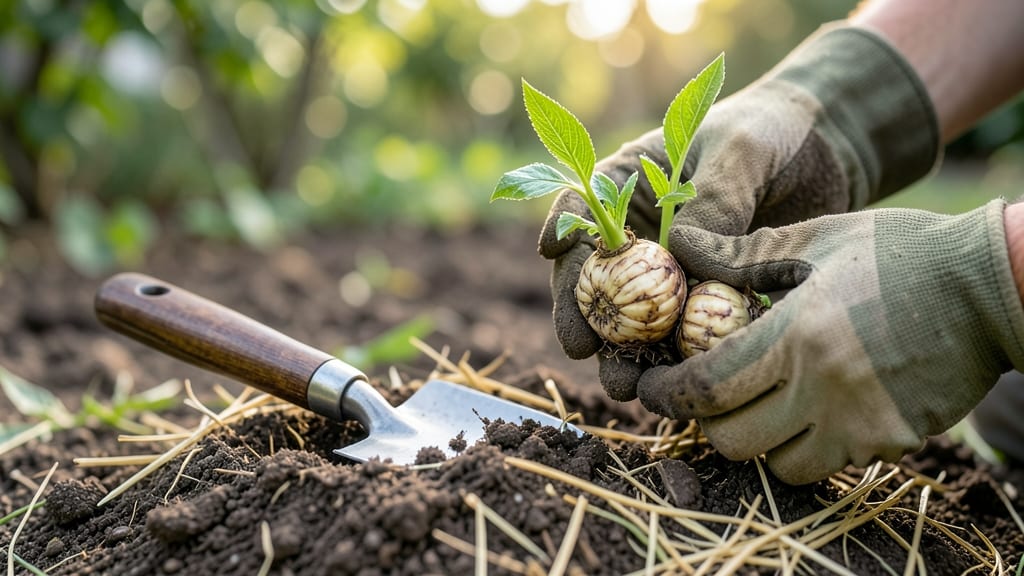
Planting dahlias in Zone 9b’s scorching heat requires precision—or you’ll watch them bolt before they even bloom. The ideal window is late winter to early spring, but timing is everything when temperatures already flirt with 90°F by March.
Most gardeners in Phoenix or the Southern California desert assume dahlias need cool soil to thrive, but that’s a common misconception. These heat-loving 🌸 actually prefer warm earth—just not the relentless midday sun of summer.
I’ve learned the hard way that planting too early triggers premature flowering, while waiting too long risks stunted growth.
In this guide, I’ll break down the exact planting window for your Zone 9b garden, plus pro tips to keep your dahlias blooming all season. We’ll cover soil prep, pre-sprouting tubers (or skipping it entirely), and how to shield them from bolting when the desert heat kicks in.
Ready to grow dahlias that outlast the summer? Let’s dive into the timing tricks that’ll have your garden bursting with color—without the stress.

Optimal planting windows for dahlias in Zone 9b (with heat tolerance tips)
Zone 9b’s warm winters and long growing season make dahlias a fantastic choice—but timing your dahlia tubers is critical. Plant too early, and the heat will trigger premature bolting (flowering before the plant is established).
Too late, and you’ll miss the peak bloom window of summer. The ideal window balances soil warmth (60°F+) with avoiding extreme heat stress.
Most Zone 9b gardeners plant dahlias between mid-February and early April, but this varies by microclimate. Coastal areas (like San Diego) can start as early as late January, while inland deserts (like Phoenix) should wait until March to avoid heat shock.
Always check your last frost date—though Zone 9b rarely sees frost, cold snaps can still occur.
Here’s the key: soil temperature matters more than air temperature. Dahlias need soil that’s warmed to 60-65°F before planting. In Zone 9b, this typically happens in March, but you can use black plastic mulch 2-3 weeks before planting to warm the soil faster.
For early varieties, aim for late February; for late-blooming types, wait until early April.
🌱
| Planting Window | Soil Temp | Heat Risk | Best For | Action Tips |
|---|---|---|---|---|
| Late January - Early February | 50-55°F | Low (coastal only) | Early varieties | Use black plastic mulch; pre-sprout tubers indoors |
| Mid-February - Early March | 55-60°F | Moderate | Standard varieties | Plant after last cold snap; add shade cloth if needed |
| Mid-March - Early April | 60-65°F | High (peak heat risk) | Late varieties | Plant in afternoon to reduce transplant shock; mulch heavily |
| April - May | 65°F+ | Very High | Emergency planting | Use 30% shade cloth; water deeply 2x/week |
For early planting (January-February), pre-sprout your dahlia tubers indoors 4-6 weeks before the target date. Place them in a tray with moist peat moss, keep them in a warm spot (70°F), and they’ll sprout in 2-3 weeks.
This head start helps them establish roots before Zone 9b’s heat ramps up. If you’re planting bare-root tubers, soak them in lukewarm water for 1 hour before planting to rehydrate.
When planting, bury tubers 4-6 inches deep with the neck (eye) facing up. Space them 12-18 inches apart (closer for dwarf varieties, wider for tall types).
In desert Zone 9b, add 2-3 inches of mulch (straw or wood chips) immediately after planting to lock in moisture and protect roots from temperature swings. Water deeply every 3-5 days until established, then adjust based on rainfall.
Watch for heat stress signs like yellowing leaves, wilting, or bolting (sudden flower spikes). If you see early bolting, trim the flower stalk just above a leaf node to redirect energy to foliage.
For late-planted dahlias (April+), use shade cloth (30-50%) during the hottest hours (11 AM - 3 PM) to give them time to root before the full sun hits. This is especially critical for tall varieties, which can struggle in Zone 9b’s intense afternoon sun.
Pro tip: Plant heat-tolerant varieties like ‘Café au Lait’ or ‘Thomas Edison’ in April for a second flush of blooms in late summer. These varieties handle the heat better than traditional types, giving you a longer display.
Pair them with drip irrigation to keep roots consistently moist without wetting the foliage (which can cause fungal issues in the humidity).
☀️
How to extend dahlias’ blooming season in hot climates (preventing bolting)
Zone 9b’s relentless summer heat can turn your dahlias into bolt-prone 🌸 disasters if you don’t act fast. I’ve seen beautiful tubers send up tall, skinny stems with tiny blooms—all because the heat triggered early flowering.
The key to preventing bolting? Strategic shade, consistent moisture, and smart mulching to keep roots cool.
Dahlias in this climate need protection from midday sun (11 AM–3 PM) when temperatures soar above 95°F. Without intervention, they’ll focus energy on producing seeds instead of those showstopping blooms you planted them for.
My secret weapon? A 30% shade cloth that filters harsh rays while still letting in enough light for photosynthesis.
🌿 Numbered Highlights: 5 Heat-Smart Tricks to Prevent Bolting
- 1. Shade Cloth Strategy: Install 30% shade cloth over dahlias by May 1. Remove by September 15 to harden plants for fall blooms.
- 2. Mulch Mastery: Apply 4-inch straw mulch to block soil heat. Replenish every 6 weeks to maintain coverage.
- 3. Watering Schedule: Deep water every 2 days in summer. Use drip irrigation at 6 AM to avoid evaporation.
- 4. Deadheading: Snip spent blooms daily to redirect energy to new flowers. Use sterilized shears to prevent disease.
- 5. Fertilizer Pause: Stop feeding after July 15 to prevent leafy growth. Resume light feeding in September for fall blooms.
Another game-changer? Mulching with straw or wood chips to insulate roots. I’ve seen soil temperatures drop 10°F cooler under mulch during heatwaves. Pair this with drip irrigation timed for early morning—this combo keeps roots hydrated without wetting foliage (which invites fungal issues).
Don’t overlook the power of pruning! Pinch back new shoots to 3 leaves when they’re 6 inches tall. This encourages bushier growth and more blooms. I prune mine on Saturday mornings when humidity is lowest, reducing stress on the plants.
For late-season dahlias, I swear by evening watering combined with light shade during August’s hottest weeks. This mimics cooler fall conditions and tricks the plants into producing second flushes of blooms just as summer winds down.
With these tricks, my dahlias have bloomed continuously from June through October—even in 105°F+ heat. The secret? Consistency. Stick to the schedule, and your dahlias will reward you with nonstop color all season long. 🌸