
Plants
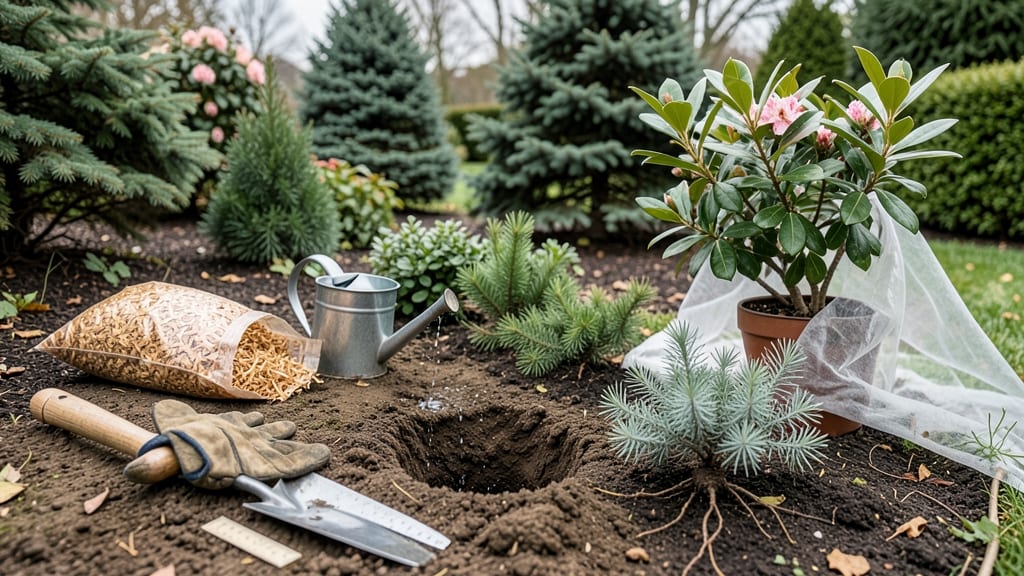
Planting evergreens in Zone 6 at the wrong time can turn your dream landscape into a winter casualty—so getting the timing right is the key to success.
With first frosts creeping in by mid-October, you only have a narrow window to give those roots the chance they need to establish before the cold sets in.
Most gardeners swear by fall planting, but the best results come from planting evergreens 🌲 between late August and early October, when soil stays warm enough for roots to spread while temperatures still cooperate.
This isn’t just guesswork—it’s about giving your evergreens a fighting chance against transplant shock and harsh winter winds.
Whether you’re adding rhododendrons for color or boxwoods for structure, the right timing means the difference between a thriving shrub and one struggling to survive.
I’ll walk you through exactly how to prepare your soil, choose the right window, and care for your new plants so they take root strong before winter hits.
Let’s break down the science behind the perfect planting schedule and how to avoid common mistakes that could cost you your evergreens. Ready to plant with confidence?

Optimal planting months for evergreens in Zone 6: science-backed timing for survival
Planting evergreens in Zone 6 during the wrong window can leave them vulnerable to transplant shock or winter stress. The ideal 4-6 week window before your first frost (typically late August to early October) gives roots time to establish while avoiding extreme heat or cold.
This timing balances root growth with minimal stress, ensuring your evergreens thrive through winter.
Evergreens, whether needled (like spruces) or broadleaf (like rhododendrons), need this window to harden off. Needled evergreens often tolerate slightly later plantings, while broadleaf types benefit from earlier fall planting.
The key is soil temperature—roots struggle to grow when soil drops below 50°F (10°C), making late summer/early fall perfect.
Here’s why this timing works: cooler air temperatures reduce water loss through transpiration, while still-warm soil encourages root expansion.
Evergreens planted too early (spring) may bolt or struggle with summer heat, while those planted too late risk frost damage before roots establish. Moisture retention is also critical—fall’s moderate rainfall helps avoid drought stress.
| Evergreen Type | Ideal Planting Window | Soil Temp Threshold | Key Care Tip |
|---|---|---|---|
| Needled (e.g., Pine, Spruce) | Late August–Mid-October | 50–60°F (10–15°C) | Water deeply 2x/week |
| Broadleaf (e.g., Boxwood, Rhododendron) | Late August–Early September | 55–65°F (13–18°C) | Mulch heavily after planting |
| Dwarf Varieties (e.g., Juniper, Yew) | September–Early October | 50–55°F (10–13°C) | Use shade cloth for first week |
For needled evergreens, like Pines or Spruces, the late August to mid-October window is ideal because their roots establish quickly in cool but not freezing soil.
These types handle slightly drier conditions once rooted, but deep watering every 2–3 days post-planting is crucial. Broadleaf evergreens, such as Boxwoods or Rhododendrons, prefer the earlier end of this window (late August) because their shallower root systems need time to adapt before winter.
Soil temperature is the deciding factor. Use a soil thermometer to confirm temps are above 50°F (10°C)—this ensures roots can expand actively.
If planting in sandy soil, which warms/cools faster, aim for early September to avoid heat stress. Clay soil, which retains heat longer, may allow planting until mid-October in Zone 6b (warmer microclimates).
Moisture management is another critical factor. Evergreens planted in fall need consistent moisture to prevent transplant shock.
Water deeply 2–3 times per week for the first month, then taper to weekly deep waterings as roots establish. Mulching with 3–4 inches of organic mulch (like pine straw) helps retain moisture and insulate roots. Avoid over-mulching, which can suffocate roots.
Microclimates in Zone 6 can shift planting windows by 2–3 weeks. South-facing slopes stay warmer longer, extending the window to early November, while north-facing areas may require planting by mid-September.
Check your local USDA Zone 6a vs. 6b—6b (warmer) allows slightly later plantings than 6a. Use frost-free date maps from your local Cooperative Extension Service for precision.
If you miss the ideal window, don’t panic—spring planting (early March–April) is the second-best option. However, evergreens planted in spring require extra shade and frequent watering to avoid summer stress.
For broadleaf evergreens, spring planting risks bolt (premature flowering), so fall is always preferred. Needled types handle spring better but still need protection from afternoon sun for the first month.
After planting, focus on root establishment over foliage growth. Avoid fertilizing for 6–8 weeks—new roots need energy, not nitrogen-heavy growth. Instead, apply a balanced fertilizer (10-10
Zone 6 evergreen planting calendar: month-by-month checklist for success
Timing is everything when planting evergreens in Zone 6, where first frosts arrive by mid-October. The ideal window spans from late August through early October, giving roots 4-6 weeks to establish before winter dormancy. Outside this window, your evergreens face higher risks of transplant shock or winter damage.
Each month presents unique challenges—from heat stress in summer to early frost warnings in fall. I’ll walk you through the critical tasks for July through November, including soil prep, plant acclimation, and seasonal watch-outs to ensure your evergreens thrive.
🌱
Planting Evergreens in Zone 6: Pros & Cons by Month
Pros
- Late August: Warm soil aids root growth
- September: Optimal balance of warmth and moisture
- October: Cooler temps reduce transplant shock
- November: Early frost protection possible with mulch
Cons
- July: Extreme heat stresses roots
- August: Late summer drought risk
- October: Early frost warnings vary by year
- November: Limited time for root establishment
July is all about prep work. Focus on improving soil drainage by amending with compost or sand, especially if your soil is heavy clay. Test your soil’s pH—most evergreens prefer acidic soil (5.0-6.0)—and adjust with sulfur if needed.
Avoid planting in July, as the intense heat can scorch roots and cause transplant shock.
In August, acclimate nursery plants gradually to outdoor conditions by placing them in partial shade for a week before transplanting. Water deeply every 3-5 days to keep soil moist but not soggy. This is the last safe month for planting before frost risks increase.
September is your prime planting month. Soil temperatures remain ideal for root growth, and daytime warmth helps plants recover from transplanting. Space evergreens according to their mature size—3-6 feet apart for shrubs, wider for trees—and mulch heavily to retain moisture and regulate soil temperature.
October demands vigilance as frost dates approach. Plant only if your region’s first frost is still 4-6 weeks away. Use frost cloths for newly planted evergreens if nighttime temps dip below 40°F. Reduce watering but keep soil lightly moist to prevent drought stress before winter.
November is a high-risk month for planting unless you’re in a mild microclimate. If you must plant, choose hardy species like juniper or pine, which tolerate colder soils. Apply a thick layer of mulch (4-6 inches) and consider wrapping young plants in burlap for extra protection.
🌿