
Plants
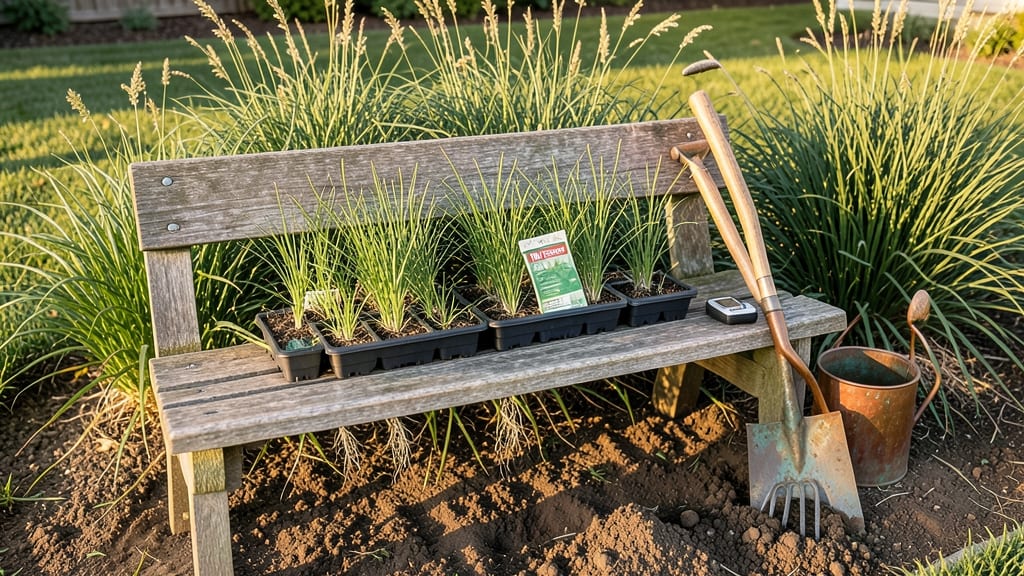
Planting Fescue Grass 🌱 in Georgia at the wrong time can mean struggling with weak roots and patchy lawns—but getting the timing right unlocks a lawn that stays green even through droughts and heat waves.
If you're in USDA zones 7b-8b, the sweet spot for planting is late summer or early fall, when temperatures cool down and rainfall increases. This gives your grass 6-8 weeks of ideal growing conditions before winter slows things down.
Spring planting is possible, but it comes with risks—late spring heat can stress young grass before it establishes strong roots. I'll show you exactly how to adjust your planting schedule based on your specific Georgia region to avoid common pitfalls.
Ready to transform your lawn? Let's dive into the best months for planting, soil prep tips, and how to check local frost dates so you never plant too early or too late.
Best planting months for fescue grass in Georgia by region
Georgia's diverse climate means fescue grass planting windows vary dramatically between North Georgia's cooler mountains and Central/South Georgia's warmer lowlands.
In the North (USDA Zones 6b-7a), you can plant as early as late February when soil temperatures hit 50°F (10°C), while in South Georgia (Zones 7b-8a), wait until mid-March to avoid heat stress.
The key is planting when soil temps stay above 55°F (13°C) and frost risk drops below 10%.
For most Georgians, early fall (August-September) offers the best establishment window—cool nights, warm days, and 6-8 weeks before frost give fescue roots time to anchor deeply before winter.
In North Georgia, this window extends slightly later due to earlier frost dates, while South Georgia can push planting into early October safely.
The comparison table below breaks down optimal planting windows by region, including soil temperature thresholds, frost risk factors, and ideal planting dates to ensure your fescue thrives from day one.
| Region | USDA Zone | Optimal Planting Window | Soil Temp Threshold (°F) | First Frost Date | Best Months |
|---|---|---|---|---|---|
| North Georgia | 6b-7a | Late Feb - Early Apr / Late Aug - Early Oct | 50-55°F (10-13°C) | Mid-November | March, April, August, September |
| Central Georgia | 7a-7b | Mid-Mar - Early Apr / Late Aug - Mid-Oct | 55-60°F (13-16°C) | Late November | April, August, September, October |
| South Georgia | 7b-8a | Early Apr - Mid-Apr / Late Aug - Early Nov | 60-65°F (16-18°C) | Early December | April, September, October |
In North Georgia, where frost dates arrive earlier, aim to plant 4-6 weeks before the first frost—typically by September 15.
Use a soil thermometer to confirm temps stay above 55°F (13°C) for consistent germination. Cool-season fescue thrives in these conditions, but avoid planting in July when heat stress weakens seedlings.
For Central and South Georgia, where warmer soils persist longer, you can push planting into early November in mild microclimates. However, soil temperatures below 60°F (16°C) slow germination, so September remains the safest month.
If you plant in late spring (May), prioritize shade protection and daily watering to prevent heat shock.
Pro tip: Check the National Weather Service's frost prediction maps for your county—North Georgia's Blue Ridge often sees frost 2-3 weeks earlier than Atlanta or Savannah. Adjust your planting 1-2 weeks earlier in mountain regions to account for these microclimates.
Once planted, fescue grass in Georgia needs 1-1.5 inches of water weekly for the first 30 days to establish roots. Use a rain gauge to track moisture—South Georgia's clay soils hold water longer than North Georgia's sandy loams, so adjust watering accordingly.
Mulch with straw or pine needles to retain moisture and regulate soil temperature.
If you miss the optimal fall window, spring planting in March-April is your next best option—but be prepared for weed competition and hotter soil temps. Pre-emergent herbicides can help, but fall planting always yields stronger lawns with deeper root systems.
Remember: Fescue grass in Georgia
How to prepare Georgia soil for fescue planting success
Before planting Fescue Grass, Georgia's clay-heavy or sandy soils need careful prep to ensure strong root growth. The key? A balanced pH of 6.0-7.0 and organic matter to improve drainage and nutrient retention. Without this, your grass may struggle to establish, even with perfect timing.
Start by testing your soil's pH level using a home test kit or sending a sample to your local Cooperative Extension Service.
Georgia's varied regions often require different amendments—southern areas may need lime to raise pH, while northern clay soils benefit from sulfur to lower pH. This step alone can make or break your fescue's success.
⚠️ WARNING: Planting in Unprepared Soil Can Stunt Growth Fescue grass planted in unamended Georgia soil faces two major risks: poor drainage (from clay) or nutrient leaching (from sand). Both lead to weak roots and drought sensitivity, especially during Georgia's hot summers.
Take these steps to avoid failure: - Clay Soil? Add compost or peat moss (2-3 inches) to improve aeration - Sandy Soil? Mix in organic compost or aged manure to retain moisture - Always till 6-8 inches deep to break up compaction before planting
Next, focus on organic matter—aim for 2-3% by volume in your soil mix. For Georgia's clay-heavy regions, blend in composted leaves or well-rotted manure to create a loamy texture.
In sandy areas, use peat moss or coconut coir to boost water retention. Spread a 2-inch layer of compost over the area and till it in.
Don't skip the fertilizer step—use a balanced starter fertilizer (10-10-10) at planting time to give your fescue an immediate nutrient boost. For Georgia's acidic soils, add pelletized lime if your pH test shows levels below 6.0.
Work these amendments into the top 4-6 inches of soil for best results.
Finally, create a level planting surface by raking the soil smooth after amendments. Remove any rocks or debris, then lightly compact the soil with a roller or your feet to ensure good seed-to-soil contact.
This final step prevents uneven germination and helps young grass roots establish evenly across your lawn.
With soil prepped this way, your Fescue Grass will have the perfect foundation to thrive in Georgia's climate—whether you're planting in cool North Georgia or warmer Southern regions. 🌱