
Flowers
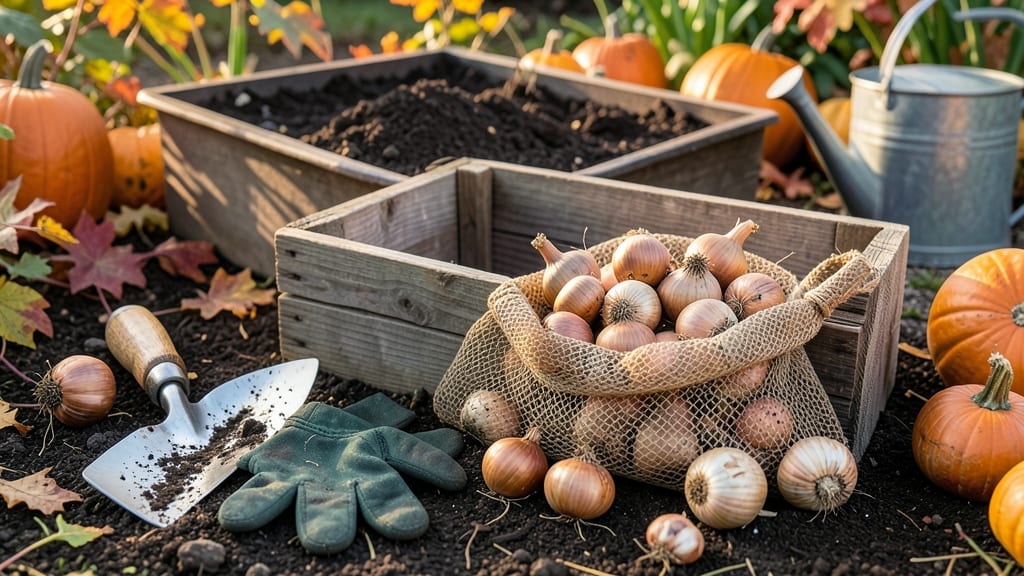
Planting flower bulbs 🌷 at the wrong time in autumn can mean the difference between a stunning spring display and a total flop. The key window starts 6 weeks before your first frost, but missing that deadline—or planting too early—can leave your bulbs vulnerable to rot or weak roots.
For most gardeners in USDA Zone 6a, that means getting them in the ground between mid-September and early November. But timing isn’t just about the calendar—soil temperature, frost risks, and even bulb type play a role. Get this right, and you’ll set the stage for perfect blooms next spring.
I’ve tested what works (and what doesn’t) over years of autumn planting, and the secrets aren’t just about deadlines—they’re about reading your garden’s signals. From soil prep tricks to adjusting for late starts, here’s how to nail it every time.
Let’s break down the exact steps, zone-specific tips, and common mistakes to avoid so you can confidently plant your flower bulbs for a showstopping spring.
Autumn planting deadlines by USDA hardiness Zone: exact weeks to plant flower bulbs
Planting flower bulbs in autumn is a delicate balance—you need enough time for roots to establish before the ground freezes, but not so early that bulbs rot in warm soil. The ideal window is 4-6 weeks before your first frost, but this varies dramatically by USDA hardiness zone.
In colder zones like Zone 3, you have just 4 weeks to plant, while warmer Zone 10 offers a 6-week extension into November. Let’s break down the exact weeks and soil temperature thresholds for each zone to ensure your tulips, daffodils, hyacinths, and alliums thrive.
Most bulbs need soil temperatures between 40°F and 60°F to root properly. If you plant too early (soil >60°F), bulbs may sprout and rot. Too late (soil <40°F), and they won’t establish roots before freezing. Use a soil thermometer to check—this is your best tool for precision planting.
For example, in Zone 5, soil temps drop below 50°F by late October, so your deadline is early October. In Zone 8, you can plant until mid-November because frost comes later.
| USDA Zone | Planting Window | Soil Temp Threshold | Key Bulbs to Plant | Frost Risk |
|---|---|---|---|---|
| 3-4 | Early September to mid-October | 50°F–60°F | Tulips, Daffodils, Hyacinths | High (early frost) |
| 5-6 | Mid-September to early November | 45°F–55°F | Alliums, Crocuses, Snowdrops | Moderate |
| 7-8 | Late September to mid-November | 40°F–50°F | Daffodils, Hyacinths, Fritillaries | Low |
| 9-10 | October to early December | 35°F–45°F | Tulips, Daffodils, Rain Lilies | Minimal |
In Zones 3-4, your window is the shortest—just 4-6 weeks. Start planting early September for tulips and daffodils, as soil temps drop quickly. Use black plastic mulch to warm the soil slightly if needed.
In Zone 5-6, you have more flexibility: aim for mid-September to early November. This is ideal for alliums and crocuses, which handle cooler soils better. Hyacinths prefer slightly warmer soil, so plant them on the earlier side of the window.
Warmer zones like 7-8 offer a longer window, but don’t wait too long. Soil temps drop below 50°F by late November, so prioritize planting by mid-November. Daffodils are your best bet here—they tolerate cooler soils and still bloom beautifully.
In Zones 9-10, you can plant until early December, but monitor forecasts. A sudden cold snap can damage unrooted bulbs, so have a row cover ready if frost is predicted.
Pro tip: If you’re in a microclimate (like a sheltered garden bed or urban area), you might have 1-2 extra weeks of planting time. Conversely, low-lying areas freeze faster—plant there first. Always dig a test hole to check soil moisture.
If it’s dry and crumbly, it’s ready. If it’s soggy or muddy, wait a few days. Bulbs need well-draining soil to avoid rot, especially in Zones 5-6 where wet autumns are common.
For container gardening, adjust your timeline slightly. Pots cool faster, so plant 2 weeks earlier than your zone’s deadline. Use a heat mat or move containers to a sheltered spot if frost threatens.
In urban gardens, where soil may stay warmer due to pavement, plant hyacinths and tulips on the earlier side of the window to avoid premature spro
Signs your autumn bulb planting is perfect (and when to adjust)
Perfect autumn bulb planting isn’t just about dates—it’s about reading your garden’s cues. The ideal moment arrives when soil temperatures drop below 60°F but stay above freezing, and your bulbs show subtle signs of readiness.
For tulips and daffodils, this usually means mid-September to early October in most zones, but your local microclimate can shift that window by weeks.
Start by checking your soil moisture—it should feel damp but not soggy when squeezed. Overly wet soil can suffocate bulbs, while dry conditions prevent root establishment.
In my garden, I test this by digging a small hole and pressing my finger 6 inches deep; if it’s clinging with moisture, it’s prime planting time. Bulbs planted in well-draining soil with this moisture balance will root confidently before winter.
Here’s the critical moment: your bulbs should feel firm but pliable, not shriveled or mushy. If they’re still rock-hard, they need more time to acclimate indoors. I’ve learned the hard way—planting freshly purchased bulbs straight from the store without a week of room-temperature curing leads to weak growth.
Let them sit in a cool, dark place (like a garage) for 7–10 days before planting.
⚠️ Watch for These Red Flags—They Mean Adjust Your Planting!
Early frost warning: If your local forecast predicts 32°F or lower within 3 weeks, delay planting until soil temps stabilize. Use a soil thermometer (under $10) to track daily drops—ideal planting soil stays between 40–55°F.
Overly wet soil: If rain is forecasted for your planting week, hold off until the ground dries slightly. Waterlogged bulbs rot in 48 hours. Amend heavy clay with compost or sand to improve drainage.
Improper depth: Planting too shallow (3 inches deep) risks frost heave, while burying too deep (12+ inches) delays blooming. Aim for 2–3 times the bulb’s height (e.g., 6 inches for daffodils).
Container gardeners face extra challenges because pots freeze faster than in-ground beds. Use insulated planters or bury containers halfway in the ground to mimic soil temperatures. I’ve had success with heavy terracotta pots wrapped in bubble wrap—they retain heat longer.
For urban balconies, group bulbs together to share warmth and mulch heavily with straw or shredded leaves to insulate roots.
Don’t ignore the bulb’s bottom—it should have a small, firm root base. If it’s already sprouting shoots, plant immediately; if not, store it in a cool, dark place (like a paper bag in the fridge) for up to 2 weeks.
I once delayed planting hyacinths with tiny sprouts, and they still bloomed beautifully the next spring—just a little later than expected.
Finally, trust your gut. If your garden feels “off” (e.g., unusually cold nights or persistent dampness), adjust your timeline. Missed the ideal window? No panic—crocuses and snowdrops can handle late planting, and a thick layer of mulch buys you extra weeks.
The key is acting before the ground freezes solid, not on a calendar.