
Flowers
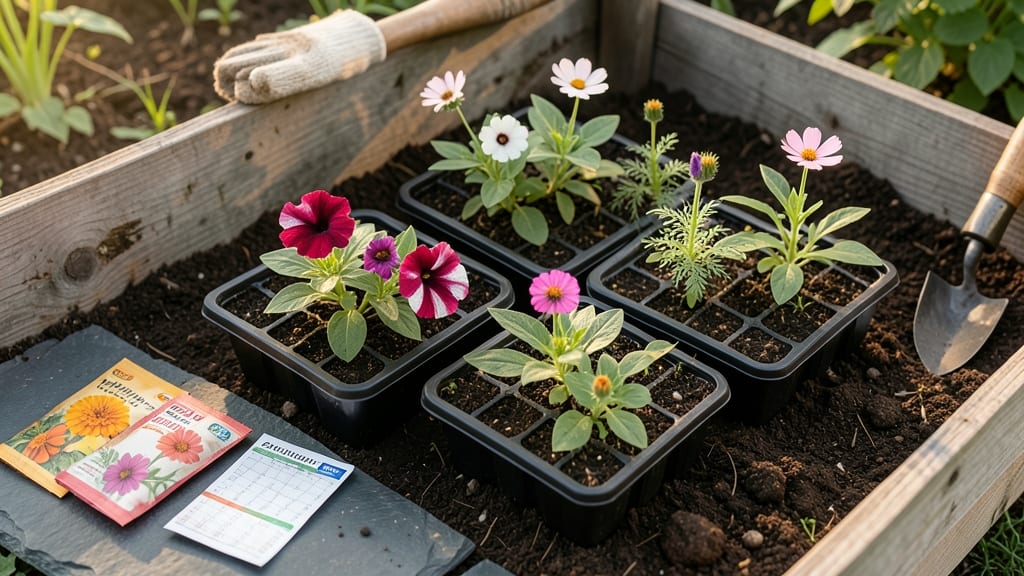
Planting flower seeds in Illinois at the wrong time can mean the difference between a garden bursting with 🌸 color and a season of disappointment. With USDA zones 5-6 bringing unpredictable frost dates and humidity swings, timing your seeds correctly is the key to success.
Most gardeners in Illinois know the basics—spring and fall are the prime windows—but without precise deadlines, even well-meaning plantings can fail. Whether you're sowing annuals like zinnias or hardy perennials like coneflowers, aligning your schedule with local frost dates and soil temperatures is what separates thriving gardens from lackluster ones.
I’ve spent years perfecting my approach, and what I’m about to share will help you avoid common mistakes. From adjusting for Chicago’s late frosts to St. Louis’s milder springs, you’ll learn the exact windows to plant for best blooms—plus pro tips to extend your season without risking frost damage.
Ready to transform your garden? Let’s dive into the zone-specific deadlines and strategies that’ll make your flower seeds thrive all season long.
Illinois planting zones & flower seed deadlines by month (USDA 5-7)
Illinois spans USDA Zones 5-7, meaning frost dates vary dramatically from northern Chicago (Zone 5) to southern Illinois (Zone 7). The last spring frost typically arrives between April 15 and May 1, while the first fall frost hits October 15 to November 1.
These dates dictate your flower seed planting windows, which can differ by 4-6 weeks across the state.
For annual flowers like marigolds and zinnias, timing is critical—they thrive when soil temperatures reach 50-60°F.
Meanwhile, perennials such as coneflowers and black-eyed Susans can handle cooler soil, giving you a slightly earlier start. Cold-hardy flowers like pansies and snapdragons can even be sown in early spring or fall for winter color.
Here’s your month-by-month breakdown for planting flower seeds in Illinois, tailored to USDA Zones 5-7 and accounting for regional frost variations:
In Zone 5 (northern Illinois), gardeners should prioritize cold-hardy varieties and extend the season with row covers or cold frames. For example, pansies can handle light frosts, while zinnias need warmer soil—aim to plant zinnias after May 1 to avoid stunted growth.
Zone 6 and 7 gardeners enjoy longer growing seasons, allowing for two full planting cycles: spring (March-May) and fall (August-September). In Zone 7, you can even direct-sow cosmos and nasturtiums as late as June 1 for summer blooms.
However, avoid planting heat-sensitive flowers like snapdragons after July 15, as they’ll bolt in the summer heat.
Pro tip: Use succession planting to keep your garden blooming continuously. For example, sow marigolds every 2 weeks from April through June in Zone 5, or every 3
How to adjust planting timing based on Illinois microclimates (north vs. south)
Illinois isn’t just one climate—it’s a patchwork of microclimates where a 5°F temperature difference can mean the difference between thriving blooms and lost seeds. Northern Illinois (USDA Zone 5) faces earlier frosts and shorter growing seasons, while southern Illinois (USDA Zone 7) enjoys 2-3 extra weeks of warmth.
Even within cities, urban heat islands in Chicago can push planting dates 10 days earlier than rural areas.
For example, gardeners in Chicago (Zone 5b) should start cold-hardy flowers like pansies and snapdragons indoors by mid-February, while St. Louis (Zone 6b) can wait until late February.
Rural areas in southern Illinois (Zone 7a) might even plant marigolds and zinnias directly outdoors by mid-April, whereas northern gardeners should wait until late May for those same varieties.
| Factor | Northern Illinois (USDA 5) | Southern Illinois (USDA 7) | Adjustment Tip |
|---|---|---|---|
| Last Frost Date | April 15–May 1 | April 1–April 15 | Plant heat-loving flowers (e.g., sunflowers) 2 weeks later in the north. |
| First Frost Date | October 15–20 | October 25–November 1 | Extend fall planting by 3 weeks in the south for biennials like sweet william. |
| Urban Heat Effect | Chicago: 5–10°F warmer in city centers | St. Louis: 3–7°F warmer near downtown | Plant drought-tolerant flowers (e.g., lavender) 1 week earlier in urban areas. |
| Lake Effect | Lake Michigan delays frost 3–5 days near shores | Minimal effect | Take advantage by planting tender annuals (e.g., petunias) 1 week earlier near Lake Michigan. |
| Elevation Impact | Higher elevations (e.g., Dixon, IL): 10–14 days shorter season | Flat terrain: Longer frost-free period | Choose fast-growing flowers (e.g., cosmos) for elevated areas. |
If you’re gardening in rural southern Illinois, leverage the longer frost-free season to plant two full cycles of annuals—one in early spring and another in late summer. For instance, cosmos seeds can be sown directly in March for early blooms, then again in August for fall color.
In contrast, northern gardeners should focus on succession planting every 2–3 weeks from May to July to maximize blooms.
Don’t overlook microclimates within your own yard. A south-facing slope might warm up 2 weeks earlier than a north-facing shady spot. Use this to your advantage by planting heat-loving flowers like black-eyed Susans on slopes and cool-season flowers like snapdragons in shadier areas.
Even a 5-foot difference in elevation can shift your planting window by 3–5 days.
For container gardening, urban heat islands can be a double-edged sword. While they extend the growing season, they also dry out soil faster. Adjust by using self-watering containers and choosing drought-resistant flowers like portulaca or verbena.
In rural areas, focus on moisture-retentive soils and mulch heavily to protect roots during late spring frosts.
Pro tip: Track your local frost dates for 3 years to identify patterns. Use a frost calendar from your local Cooperative Extension office—they often provide hyper-local adjustments.
For example, Chicago’s average last frost is April 15, but 2022 saw a late frost on May 3, catching many gardeners off guard. Planning for 1–2 weeks of buffer can save your flower seeds from a late freeze.