
Flowers
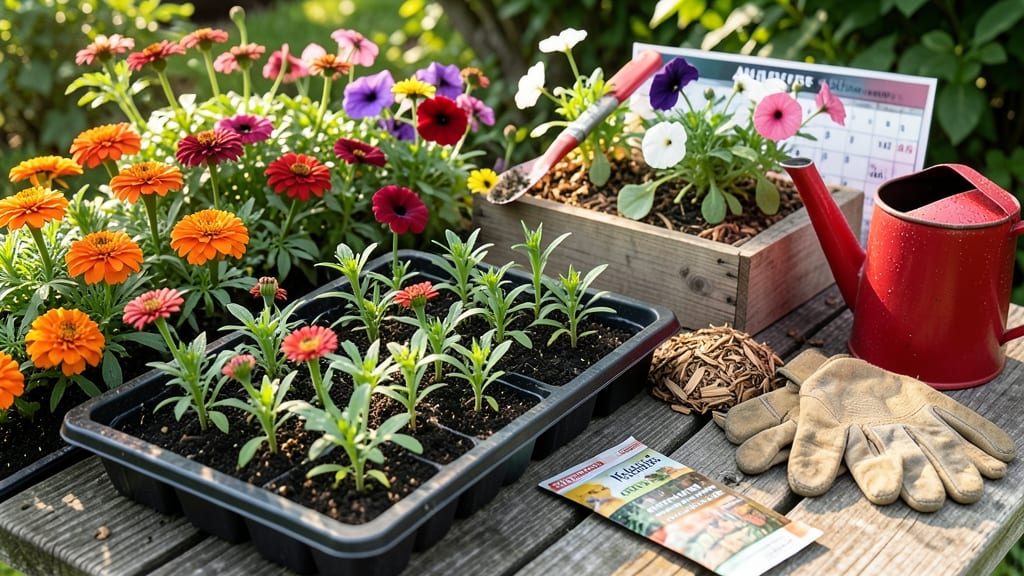
Timing your flower planting in Arkansas can mean the difference between vibrant blooms and struggling seedlings—especially with the state’s diverse heat zones and unpredictable weather patterns.
If you've ever wondered when to plant flowers in Arkansas for the most stunning results, the answer depends on more than just the calendar.
With USDA zones ranging from 7a to 8b, Arkansas gardeners face unique challenges like humidity and shifting frost dates that can throw off even the best-laid plans.
I've spent years perfecting my approach, and what I'm about to share will help you avoid common mistakes that lead to wilted dreams before they even begin. From late winter preps to fall planting strategies, you'll discover the exact windows that work best for your specific zone.
Let's dive into the secrets that will transform your garden from "meh" to showstopper—no matter where you are in the Natural State. Your perfect blooms are just a few adjustments away.
Arkansas heat zones explained: best planting months for annual flowers
Arkansas spans USDA Hardiness Zones 6b through 8a, creating distinct planting windows for your annual flowers. In Zone 6b (northwest Arkansas), the last frost typically arrives around March 15, while Zone 8a (southeast Arkansas) enjoys frost-free conditions by February 15.
These differences mean your petunias and marigolds should hit the ground at different times depending on where you live.
For most Arkansas gardeners, the ideal planting window for annual flowers falls between late February and mid-April for spring blooms. However, fall planting (late summer to early fall) offers a second chance for vibrant gardens.
Understanding your specific zone helps you avoid late frost damage or summer wilting from Arkansas’ intense heat and humidity.
Here’s a quick reference for annual flowers by Arkansas heat zone, including frost-free dates and best planting months:
In Zone 6b, where frosts linger longer, wait until soil temperatures reach 60°F before planting heat-sensitive flowers like petunias. Use row covers if nighttime temps dip below 40°F.
For Zone 8a, you can start marigolds as early as January in protected containers, then transplant after the last frost.
Arkansas’ humid summers demand extra care for annuals. After planting, mulch with 2–3 inches of organic matter to retain moisture and cool roots. Drip irrigation is ideal—it delivers water directly to roots and avoids fungal issues from overhead watering.
Avoid planting shade-loving flowers like impatiens in full sun; they’ll wilt quickly in Arkansas’ 90°F+ afternoons.
For fall planting, aim to get seeds in the ground 6–8 weeks before your first frost. In Zone 7a, this means late August, while Zone 8a gardeners can extend planting until early October. Choose cool-season annuals like pansies or stocks for late-season color.
Pro tip: Use a soil thermometer to monitor temperatures—55°F is the minimum for most annual seeds to germinate. If your soil is too cold, start seeds indoors under grow lights 4–6 weeks before your target planting date.
Arkansas’ unpredictable weather means flexibility is key; always have backup row covers ready for late frosts.
Don’t overlook microclimates in Arkansas. A south-facing slope warms up faster than a north-facing garden bed, so adjust your planting timeline accordingly. If you’re unsure about your exact zone, check the USDA Plant Hardiness Zone Map or ask your local Arkansas Cooperative Extension office for precise frost data.
With the right timing, Arkansas gardeners can enjoy continuous blooms from spring to fall. Start with cool-season annuals in early spring, transition to heat-loving varieties by summer, and finish with fall favorites before the first frost.
Your garden will thank you with bold colors and healthy growth all season long! 🌸
Spring vs fall planting: pros, cons, and Arkansas-specific tips
Deciding between spring and fall planting in Arkansas can feel like choosing between two different gardens. Both seasons offer unique advantages, but the humidity and soil temperatures in the Natural State make timing everything.
I’ve learned that spring planting gives you a head start on summer blooms, while fall planting often means fewer pests and cooler soil—both critical factors for Arkansas gardeners.
For spring planting (March–May), the goal is to beat the heat and establish roots before summer’s intensity. However, Arkansas’ unpredictable last frost dates (which can range from early March to mid-April) mean rushing too early can be risky.
Fall planting, on the other hand, lets you take advantage of milder temperatures and lower humidity, reducing stress on young plants.
Spring Planting vs. Fall Planting in Arkansas
- ✅ Longer growing season
- ✅ More summer blooms
- ✅ Better for heat-loving flowers
- ✅ Fewer pests
- ✅ Cooler soil temps
- ✅ Stronger root growth
- ❌ Risk of late frosts
- ❌ Higher water needs
- ❌ Pest pressure rises
- ❌ Shorter bloom time
- ❌ Limited variety
- ❌ Early winter kills tender plants
One of the biggest mistakes I see Arkansas gardeners make is planting too early in spring, only to watch seedlings get fried by a sudden heatwave. The key is waiting until the soil temperature consistently stays above 60°F.
Use a soil thermometer—it’s a game-changer. For fall, I recommend planting perennials like black-eyed Susans and annuals like pansies by mid-September to ensure they bloom before winter sets in.
Watering strategies also shift between seasons. In spring, focus on deep watering 2–3 times per week to encourage root growth. But in fall, reduce frequency to once a week as temperatures drop.
Arkansas’ humid summers can make watering tricky—always water in the early morning to prevent fungal diseases like powdery mildew.
Don’t overlook microclimates in Arkansas. Northern regions (like Bentonville) have cooler springs, while southern areas (like Little Rock) can hit 90°F by May. Adjust your planting timeline accordingly—what works in zone 7a might fail in zone 8a.
For example, marigolds thrive in both seasons, but impatiens need fall planting to avoid wilting in summer heat.
Final tip: If you’re torn between seasons, try a split approach. Plant cool-season flowers (like pansies) in fall for early spring blooms, then add heat-lovers (like zinnias) in late spring.
This way, your garden stays vibrant from September to October and again from April to June. 🌸