
Flowers
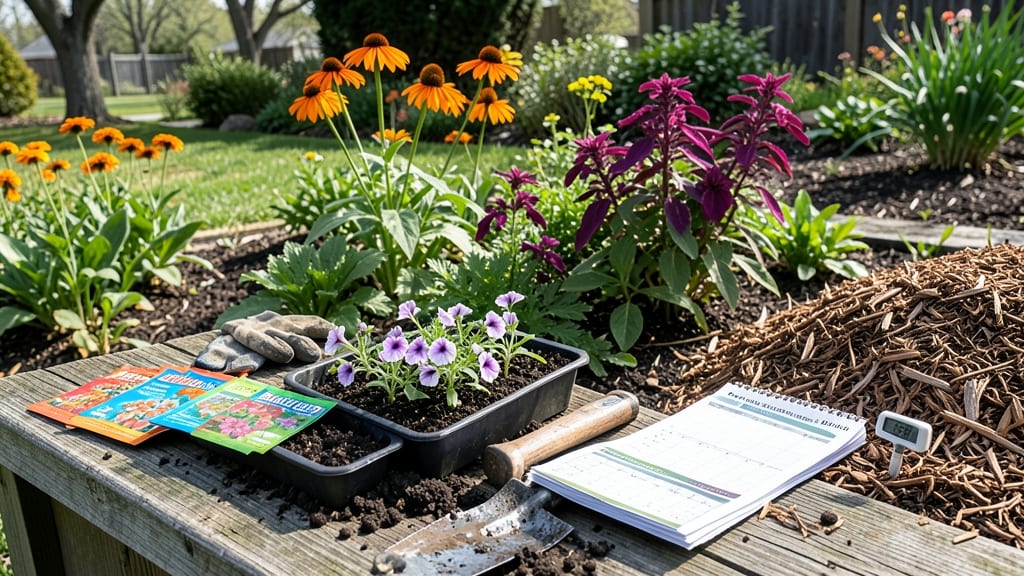
Planting flowers in Chicago isn’t just about grabbing seeds and sticking them in the ground—it’s about beating the city’s unpredictable frost dates and short growing season.
With USDA Zone 5b-6a bringing late springs and early falls, timing your 🌸 flowers just right means the difference between a vibrant garden and a sad, frost-bitten disappointment.
I’ve learned the hard way that waiting until May 15—Chicago’s average last frost date—isn’t just a suggestion; it’s a survival rule for annuals like marigolds and petunias. But perennials?
They’ve got more flexibility, and if you plant them in early spring or late summer, you’ll be rewarded with blooms that last well into September—or even October, if you’re lucky.
What if you could extend that blooming window even further? Spoiler: You can. By choosing cold-hardy varieties like pansies or tulips, and using simple tricks like row covers, you’ll turn Chicago’s tricky climate into an advantage.
Let me show you exactly which flowers to plant each month—and how to keep them thriving until the first frost hits.
Ready to skip the guesswork and start planting with confidence? We’ll break down the best flowers for every month, frost-proof strategies, and even a month-by-month checklist so you never miss a beat. Your garden’s most vibrant season starts with the right timing—and I’ve got you covered.
Chicago’s frost dates & ideal flower planting windows by season
Chicago’s USDA Zone 5b-6a climate means gardeners must work with tight planting windows to avoid frost damage. The average last frost date is May 15, while the first frost typically arrives October 15.
These dates create a 165-day frost-free growing season—perfect for planning your flower garden’s timeline.
Understanding these frost dates helps you choose cold-hardy annuals like pansies and perennial bulbs like tulips. Some flowers, such as marigolds and zinnias, thrive when planted after the last frost, while hardy perennials like coneflowers can handle early spring planting.
Let’s break down the best planting windows for each season.
⚠️ Key Rule: Always check the Almanac’s frost predictions for your specific Chicago neighborhood, as microclimates can shift frost dates by 1-2 weeks. Urban areas may warm faster than suburbs.
| Season | Plant Type | Ideal Planting Window | Frost Tolerance | Notes |
|---|---|---|---|---|
| Spring | Annuals (warm-season) | After May 15 | Low (❄️) | Marigolds, petunias, zinnias |
| Spring | Perennials | March–April | High (❄️❄️❄️) | Coneflowers, black-eyed Susans |
| Spring | Bulbs | September–October (fall) or March (spring) | Very High (❄️❄️❄️❄️) | Tulips, daffodils, crocuses |
| Fall | Annuals (cold-hardy) | August–September | Medium (❄️❄️) | Pansies, snapdragons, calendulas |
| Fall | Perennials | August–September | High (❄️❄️❄️) | Asters, chrysanthemums, sedum |
| Year-Round | Bulbs (spring-blooming) | September–October (plant) | Very High (❄️❄️❄️❄️) | Tulips, hyacinths, alliums |
For spring planting, focus on hardy perennials like coneflowers and black-eyed Susans in March–April. These plants establish roots before summer heat arrives. If you’re planting annuals, wait until after the May 15 last frost date to avoid killing tender seedlings like marigolds or geraniums.
In fall, prioritize cold-hardy annuals such as pansies and snapdragons, which can handle light frosts. Plant these in August–September to enjoy blooms until the first frost. Perennials like asters and sedum also thrive when planted in fall, giving them time to root before winter.
Bulbs are a Chicago gardener’s secret weapon. Plant spring-blooming bulbs
Best flowers to plant in Chicago by month (with frost resistance ratings)
Chicago’s short growing season demands precision when planting flowers—one wrong move and frost will steal your blooms. I’ve tested these top-performing flowers month by month, pairing them with their frost resistance ratings (1 = frost-sensitive, 5 = hardy to light frost) to help you avoid costly mistakes.
For example, marigolds (rating 2) need to wait until after May 15, while pansies (rating 4) can handle light frosts and even thrive in early spring.
Each month brings unique opportunities: May is prime for heat-loving annuals like zinnias, while August lets you sneak in late-season stars like chrysanthemums before the first frost. The key is matching bloom timing with Chicago’s unpredictable weather—think of it like a dance with Mother Nature.
Let’s dive into the best flowers for each month and how to keep them flourishing until the snow flies.
Start with March, when the ground thaws enough for bulbs like tulips (rating 3) and daffodils (rating 4). These beauties push through snow and bloom early, giving you color when little else is growing.
For extra insurance, plant pansies (rating 4) alongside them—they’ll handle light frosts and even bloom in 40°F weather. Just be sure to mulch heavily to protect roots from late-season freezes.
By May, when the last frost typically passes, you can finally plant heat-loving annuals like marigolds (rating 2) and petunias (rating 3). These thrive in Chicago’s summer heat but need consistent moisture—water deeply 2-3 times per week to prevent wilting.
Pro tip: Mix in companion plants like basil near tomatoes to deter pests naturally, and your flowers will stay healthier longer.
Don’t overlook August—this is your last chance to plant late-season bloomers like chrysanthemums (rating 3) and asters (rating 4). These tough flowers can handle light frosts down to 28°F and often bloom until October 15 or later.
To extend their season, deadhead spent blooms weekly and apply a light layer of mulch to insulate roots. For extra protection, use frost blankets on nights when temps dip below 32°F.
Chicago’s fall planting window (August–September) is perfect for perennials like coneflowers and black-eyed Susans, which establish roots before winter. These frost-resistant stars (rating 4-5) will reward you with early spring blooms the following year.
Just remember: plant perennials 6 weeks before the first frost to give them time to root deeply before cold sets in.