
Flowers
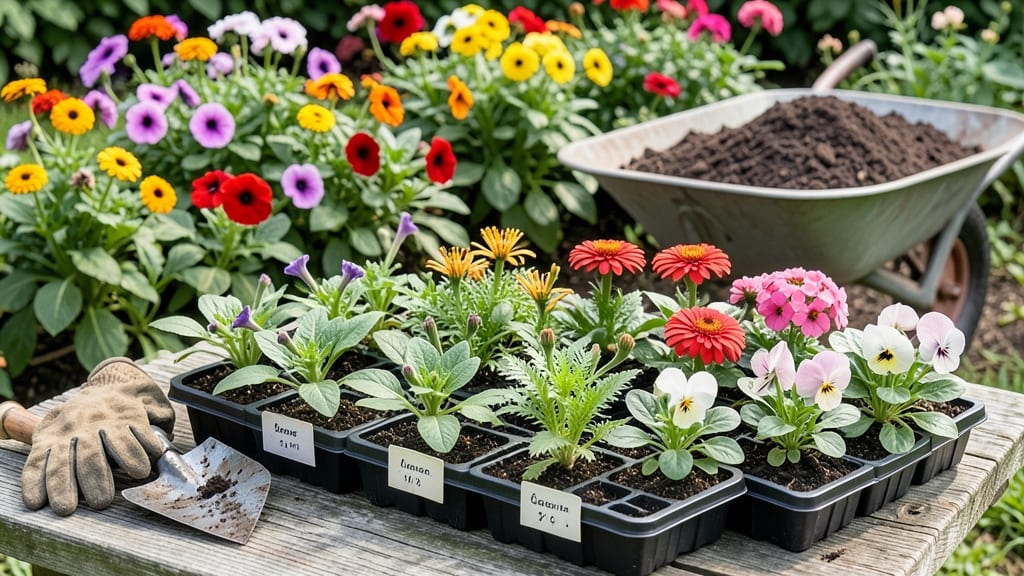
Timing your flower planting in Philadelphia’s 7a climate can make or break your garden’s success—get it wrong, and you might end up with wilted blooms before they even open.
The city’s unpredictable frost dates (usually around April 15) mean waiting too long can leave delicate 🌸 varieties vulnerable, while planting too early risks frost damage.
I’ve learned the hard way that aligning your schedule with Philadelphia’s last frost dates is the key to a thriving garden. Whether you’re sowing annuals like marigolds or hardy perennials like coneflowers, knowing exactly when to plant ensures your flowers get the best possible start.
Let’s break down the ideal planting windows so you can avoid common mistakes and enjoy a burst of color all season long.
From cool-loving pansies in early spring to heat-tolerant zinnias planted after the last frost, each flower has its own perfect timing. We’ll cover how to adjust for urban microclimates and extend your growing season with simple frost protection tips.
By the end, you’ll know exactly when to plant every variety for a garden that blooms beautifully from April through October.
Ready to transform your garden? Let’s dive into the critical planting windows and flower varieties that thrive in Philadelphia’s climate—so you can skip the guesswork and enjoy a showstopping display all season.
Philadelphia’s last frost dates by month: critical planting windows for flowers
Philadelphia’s last frost dates typically range between April 15 and May 15, creating a 3-week window that separates winter’s chill from spring’s warmth. This timeline is critical for annual flowers like marigolds and zinnias, which can’t survive frost, while perennials and bulbs often tolerate cooler temperatures.
Missing this window risks stunted growth or lost plants—especially in urban microclimates where concrete absorbs heat and delays frost.
For suburban areas, the average last frost arrives around April 22, but city gardens near the Delaware River may experience frost 1-2 weeks later due to water’s heat-retaining properties.
Always monitor local forecasts, as late frosts can occur as late as May 5, particularly in elevated areas like Fishtown or Northern Liberties.
Here’s how to use these dates to plan your flower planting schedule:
| Plant Type | Last Frost Window | Ideal Planting Time | Microclimate Adjustment |
|---|---|---|---|
| Annuals (e.g., petunias, geraniums) | April 15–May 15 | Wait until after last frost | Urban: Delay 5–7 days |
| Perennials (e.g., coneflowers, black-eyed Susans) | April 1–May 15 | Early spring or fall | Suburban: Plant by April 15 |
| Bulbs (e.g., tulips, daffodils) | March 15–April 30 | Fall (Sept–Oct) or early spring | Cold pockets: Plant by March 20 |
| Cold-hardy annuals (e.g., pansies, snapdragons) | March 1–April 15 | Late winter to early spring | Urban: Start by March 10 |
If you’re planting annual flowers, hold off until May 1 in most of Philadelphia to avoid frost damage.
For perennials, early spring planting (by April 15) gives roots time to establish before summer heat. Bulbs, like tulips, should be planted in fall (September–October) for spring blooms, but you can also tuck them into the ground as early as March 15 if winter’s chill lingers.
Urban gardens often experience later frosts due to heat islands, so I recommend waiting until May 10 in areas like Center City or South Philly. Use frost-sensitive indicators, like hyacinths, to test your microclimate—if they survive, your garden is likely frost-free.
For suburban yards, you can plant 1-2 weeks earlier than city guidelines.
Protect tender plants with frost cloths if late frosts threaten, especially for tropical annuals like impatiens or begonias. These varieties need consistent warmth and can’t tolerate temperatures below 50°F. Even perennials like lavender may need shielding if planted too early in low-lying areas where cold air settles.
Philadelphia’s first frost typically arrives around November 15, signaling the end of the growing season for most flowers. Use this date to plan fall planting for cool-season crops like pansies or calendulas, which thrive in milder temperatures.
For bulbs, aim to plant by October 15 to ensure roots establish before winter.
To adjust for your specific microclimate, observe your garden’s behavior for 3 years and note frost patterns. South-facing walls or paved surfaces can create warmer pockets, while shaded areas near trees may frost later. Use these observations to fine-tune your planting schedule and maximize bloom time.
For container gardens, you can extend the season by moving pots indoors or to sheltered spots during late frosts. This is especially useful for heat-loving annuals like zinnias or sunflowers, which need warmer soil temperatures (above 60°F) to germinate.
Test soil warmth with a soil thermometer—if it’s below 55°F, wait a few more days.
Remember, Philadelphia’s last frost isn’t set in stone—it’s a rolling average based on decades of data. Always check the National Weather Service or local gardening groups for real-time updates. With the right timing, you’ll enjoy continuous blooms
Best flowers to plant in Philadelphia by season: matching varieties to frost timelines
Philadelphia’s USDA Zone 7a climate offers a unique challenge for gardeners—balancing early springs with late frosts while maximizing bloom time. The key to success? Seasonal variety selection that aligns with frost timelines.
Cold-hardy annuals like pansies and violas can handle light frosts, while heat-lovers like zinnias and marigolds need warmer soil to thrive.
Timing matters most in Philadelphia’s frost-prone windows. The average last frost date falls between April 15 and May 15, but urban areas may experience delays. Meanwhile, first frost typically arrives around November 15, cutting short the growing season for tender varieties.
By matching flower types to frost sensitivity, you’ll avoid disappointment and create a garden that blooms from spring to fall.
- Early Spring (March–April): Plant cold-hardy bulbs like tulips and daffodils (Zone 7a safe). Add pansies and snapdragons after mid-April for frost-resistant color.
- Late Spring (May): Wait until after May 1 to plant heat-loving annuals like zinnias and cosmos. Soil temps should reach 60°F+ for best germination.
- Summer (June–August): Focus on drought-tolerant perennials like coneflowers and black-eyed Susans. Deadhead annuals to extend blooms until first frost.
- Fall (September–October): Plant fall-blooming bulbs like crocuses and aster. Add mums and kale for late-season color before November 15.
- Winter Prep (November–February): No planting outdoors. Start indoor seedling projects (e.g., geraniums) for early spring transplants.
For Philadelphia’s urban gardeners, microclimates play a role. South-facing walls or rooftop gardens may warm up 1–2 weeks earlier than ground-level beds. Use frost cloth for a buffer if planting tender annuals like petunias in early May.
Even 10–15°F drops can damage young plants, so monitor forecasts and adjust timing accordingly.
Perennials are the workhorses of a low-maintenance Philadelphia garden. Plant black-eyed Susans and bee balm in early spring or fall for multi-year blooms. These drought-tolerant varieties thrive in Philadelphia’s hot summers and return yearly with minimal care. Pair them with annuals for seasonal color shifts—think zinnias in summer followed by asters in fall.
Don’t overlook Philadelphia’s native flowers, which are adapted to local conditions. Butterfly weed and purple coneflower attract pollinators while requiring little water. Plant them in well-draining soil with full sun for best results. Native varieties also support local ecosystems, making them a sustainable choice for city gardens.
Finally, container gardening extends your options in Philadelphia’s limited spaces. Use large pots for heat-loving annuals like geraniums or marigolds, and move them to protected areas before frost. Containers also warm up faster in spring, giving you a 2–3 week head start on planting.