
Plants
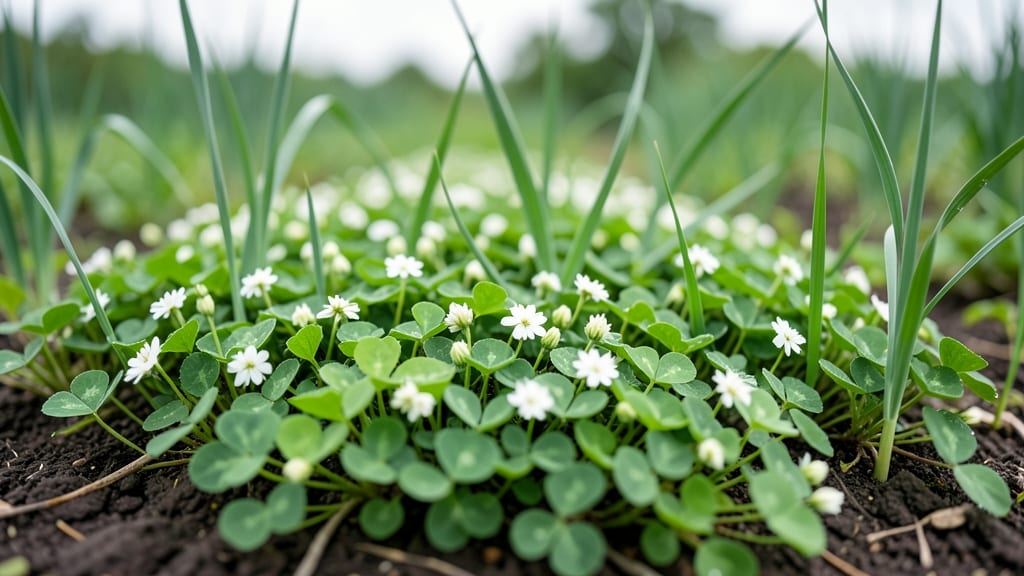
Planting food plots for deer at the wrong time in Louisiana could mean the difference between a thriving whitetail hotspot and a wasted investment. The humid subtropical climate here means coastal areas and inland zones behave like two different states when it comes to planting windows.
If you've ever wondered why some hunters see deer every morning while others struggle to get a single track, the answer often starts with timing.
Whether you're in Zone 8a-9b or near the Gulf Coast, getting the planting schedule right ensures your 🌾 plots are lush and ready when bucks are most active.
I'll break down the exact two best windows for Louisiana—when to plant for spring green-up and fall browse—plus how to adjust for coastal humidity or inland heat. You'll learn which crops thrive in each season and how to keep deer coming back all year.
Ready to turn your property into a whitetail magnet? Let's get into the details that actually work in Louisiana's unique conditions.
Optimal planting windows for Louisiana food plots by region (coastal vs inland)
Louisiana’s diverse climate creates two distinct planting zones for food plots: the coastal region with its humid, maritime influence and the inland areas where temperatures swing more dramatically. Getting your timing right means the difference between a deer-filled property and a missed opportunity.
Coastal areas stay warmer longer, while inland zones face earlier frosts—so let’s break down the best windows for each.
For coastal Louisiana (e.g., New Orleans, Baton Rouge, Lafayette), the growing season stretches later into fall and starts earlier in spring. Inland regions (e.g., Shreveport, Monroe, Alexandria) have shorter frost-free periods, requiring earlier spring and late-summer plantings.
Both regions benefit from two primary planting windows: early spring and late summer, but the exact timing varies by microclimate and crop type.
Coastal regions can plant clover and brassicas as late as mid-March for spring growth, while inland areas should aim for mid-February to avoid frost damage. Late summer plantings in coastal zones can extend until early September, whereas inland plantings should wrap up by mid-August to ensure establishment before cooler weather arrives.
| Region | Primary Planting Window | Secondary Planting Window | Key Crops | Frost-Free Days |
|---|---|---|---|---|
| Coastal | Mid-February to Mid-March | Late July to Early September | Clover, Brassicas, Sorghum | 260-280 days |
| Inland | Mid-January to Mid-February | Mid-July to Mid-August | Chicory, Winter Rye, Warm-Season Mixes | 240-260 days |
Adjust planting dates 1-2 weeks based on local frost records.
In coastal areas, warm-season crops like sorghum and millet thrive when planted in late July, providing late-season forage for deer during the rut. Inland growers should focus on heat-tolerant varieties like chicory or winter rye for fall plantings, as cooler nights arrive earlier.
Both regions should prioritize soil preparation 4-6 weeks before planting to ensure optimal germination.
For early spring plantings, coastal gardeners can extend their window by 2-3 weeks compared to inland areas. This means clover mixes planted in February will be ready for deer browsing by April, while inland plantings should be in by January to avoid frost.
Always check your local USDA Plant Hardiness Zone (Louisiana ranges from 8a-9b) for precise timing adjustments.
Late summer plantings in coastal zones benefit from longer daylight and warmer soils, allowing crops like sunflower or soybeans to establish quickly. Inland plantings, however, must be completed by mid-August to avoid early fall frosts that can stunt growth.
Use a soil thermometer to confirm soil temps are above 60°F before planting warm-season crops.
Regardless of region, soil pH and nutrient levels play a critical role. Coastal soils often have higher salt content from humidity, while inland soils may be clay-heavy.
Test your soil and amend with lime (for acidic soils) or compost (for nutrient-poor soils) before planting. Aim for a pH of 6.0-7.0 for optimal deer forage production.
One of my biggest mistakes was planting brassicas too late in inland Louisiana—by April, the heat had already stressed the seedlings. Now, I adjust my timeline based on local frost dates and historical weather patterns.
For example, Shreveport’s last frost is typically March 15, so I plant cool-season crops by February 1 to ensure they’re established before warm weather arrives.
To maximize deer activity, time your plantings to align with hunting seasons. In Louisiana, archery season runs from September 15 to January 15, while gun season is from November 15 to January 15.
Plant fall crops like clover or winter rye by August to provide forage during these critical months. Coastal gardeners can push this window later, but inland growers should start earlier to avoid frost damage.
Pro tip: Use cover crops like crimson clover or annual ryegrass to extend forage availability year-round. These crops can be interseeded into existing plots or planted as green manure to improve soil health between main plantings.
Both coastal and inland regions benefit from this strategy, though coastal areas can handle later interseeding due to milder winters.
Best food plot crops for Louisiana deer hunting: fast-growing vs long-term options
Choosing the right food plot crops for Louisiana deer hunting depends on your goals: fast whitetail attraction or long-term forage production. My property gets heavy deer pressure, so I’ve learned to mix both high-impact annuals with perennial staples that regrow year after year.
The key is matching planting timelines to Louisiana’s humid subtropical climate, where coastal areas stay warmer longer than inland zones.
For fast-growing options, I prioritize crops like brassicas (turnips, radishes) and sorghum-sudangrass hybrids that establish in 30-60 days. These are perfect for late summer plantings (August-September) to provide fall forage before hunting season.
Meanwhile, clover mixes and chicory offer long-term benefits, establishing roots that persist through winter and reward you with year-round browsing.
🌱 STYLED LIST: TOP FOOD PLOT CROPS FOR LOUISIANA
- 🌿 Clover Mixes (White Dutch, Crimson) ⭐⭐⭐⭐ Plant: February-March or August-September | Soil: pH 6.0-7.0 | Deer Preference: Year-round
- 🥬 Brassicas (Turnips, Radishes, Kale) ⭐⭐⭐⭐⭐ Plant: July-August | Soil: pH 6.0-6.8 | Deer Preference: Fall peak
- 🌾 Sorghum-Sudangrass Hybrids ⭐⭐⭐⭐ Plant: May-June | Soil: pH 5.8-6.5 | Deer Preference: Summer-Fall
- 🌼 Chicory ⭐⭐⭐⭐⭐ Plant: March-April | Soil: pH 6.0-7.5 | Deer Preference: Late Fall-Winter
- 🌱 Winter Peas ⭐⭐⭐ Plant: September-October | Soil: pH 6.0-7.0 | Deer Preference: Winter
My coastal Louisiana plots thrive with chicory and clover because they handle humidity and sandy soils better than inland varieties. In contrast, brassicas grow faster in the warmer inland zones, where I plant them 60 days before archery season to ensure peak forage.
Always test your soil pH—Louisiana’s acidic soils often need lime applications (aim for pH 6.0-7.0) to prevent nutrient deficiencies.
For long-term success, I dedicate 20% of my plots to perennials like clover, which establish deep roots and reduce erosion while providing year-round nutrition. The trade-off?
They take 60-90 days to fully establish, so I plant them early spring (February-March) for fall hunting. Fast-growing brassicas, on the other hand, give me immediate results—critical for late-season pressure when bucks are pushing hard for food.
Pro tip: Mix 3-4 crop types in a single plot to extend the feeding window. For example, pair turnips (fast) with clover (slow)—the turnips attract deer early, while the clover keeps them coming back.
Always monitor soil moisture; Louisiana’s summer heat can dry out plots quickly, so drip irrigation saves me from failed plantings during critical August-September windows.
Remember, deer preference shifts with seasons. Brassicas dominate fall, while chicory and clover shine in winter. By rotating crops annually, I prevent overbrowsing and keep my food plots productive for decades. Start small—even a quarter-acre plot can make a difference in whitetail activity if planted right.