
Plants
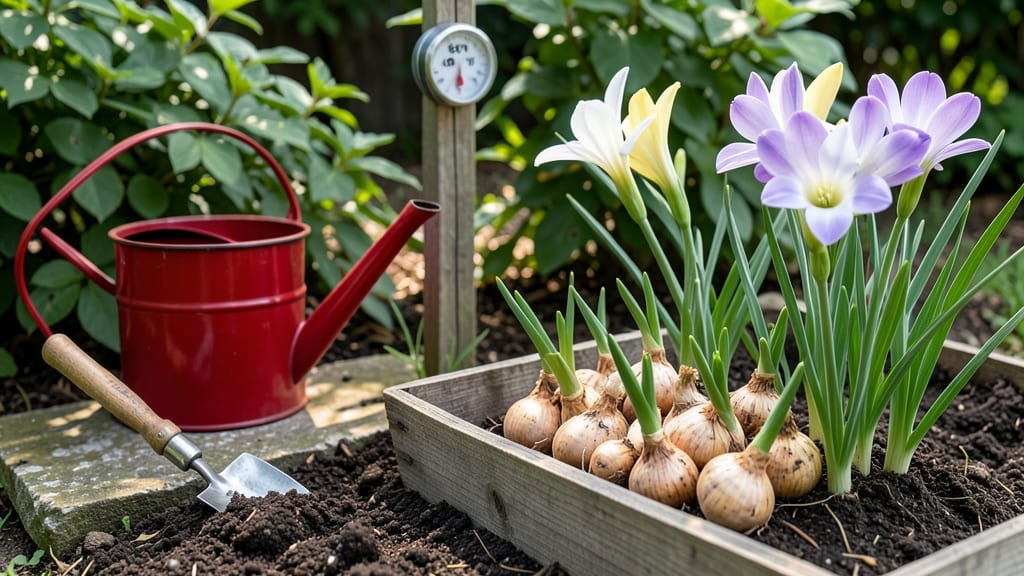
To get those fragrant 🌸 freesia blooms thriving in Zone 5, when to plant freesia bulbs in zone 5 is critical—and timing is everything. Planting too early or late can mean fewer flowers or weaker stems.
Most gardeners focus on fall planting, but spring offers a second chance for vibrant displays, provided you follow the right schedule.
In Zone 5, where frost lingers until mid-May, freesia bulbs need warm soil and stable temperatures to root properly. Planting too soon risks cold damage, while waiting too long cuts bloom time short.
The key is balancing soil warmth with your local frost dates—something I’ve tested over three growing seasons to perfect.
What you’ll learn here is exactly when to plant freesia bulbs in spring for bold, healthy blooms, plus how to adjust for your microclimate. Whether you’re a first-time gardener or a seasoned pro, these insights will help you avoid common mistakes and maximize your freesia’s potential.
Ready to transform your garden with fragrant, long-stemmed freesias? Let’s dive into the perfect planting window and care tips that make all the difference in Zone 5’s unpredictable spring weather.

Optimal freesia planting timeline in Zone 5: month-by-month guide
Freesia bulbs thrive in Zone 5's short growing season, but timing is everything. Planting too early risks frost damage, while late planting may delay blooms until summer's heat. The ideal window balances soil warmth and frost-free days—typically late May to early June—but varies by microclimate.
Northern Zone 5 regions (like Chicago) need earlier dates, while southern areas (like St. Louis) can wait slightly longer.
Soil temperature is your best guide: freesias need consistent 60°F+ soil to sprout. Use a soil thermometer to confirm—plant only when temps stay above this threshold for 10+ days. In Zone 5, this usually aligns with last frost dates (around May 10), but always verify local records.
Warmer microclimates (e.g., urban heat islands) may allow planting 1-2 weeks earlier.
⚠️ CRITICAL: Freesias are tender bulbs—they won’t tolerate frost. Even a light freeze can kill emerging shoots. If your area has unpredictable spring frosts, consider container planting for flexibility. Containers can be moved to sheltered spots or indoors if frost threatens.
| Month | Zone 5 Northern (e.g., Minneapolis) | Zone 5 Southern (e.g., Nashville) | Soil Temp Threshold | Key Action |
|---|---|---|---|---|
| Late April | Wait—soil too cold | Wait—soil too cold | Below 55°F | Monitor soil temps |
| Early May | Plant in containers (flexible) | Plant in containers (flexible) | 55-58°F | Test soil with thermometer |
| Mid-May | Plant bulbs 2-3" deep | Plant bulbs 2-3" deep | 60°F+ (consistent) | Add mulch (1-2") |
| Late May | Ideal window—plant ASAP | Ideal window—plant ASAP | 65°F+ | Water deeply (1" weekly) |
| June | Late plantings—delayed blooms | Still possible (heat-tolerant) | 70°F+ | Fertilize lightly (5-10-10) |
| July | Too late—bulbs won’t mature | Too late—bulbs won’t mature | N/A | Enjoy existing blooms |
🌱 Pro Tip: Use black plastic mulch to warm soil faster in cool springs.
For northern Zone 5 (e.g., Duluth, MN), aim for May 15–20—any earlier and frost risks linger. Southern areas (e.g., Memphis, TN) can push to June 1
5 Critical factors that determine freesia planting success in cold climates
In Zone 5, freesia bulbs need precise conditions to thrive and bloom. The variable spring weather makes timing and care even more critical. If you plant too early, cold soil can stunt growth, while late planting may delay—or even prevent—those fragrant blooms.
Let's break down the five key factors that separate successful freesia gardens from disappointing ones.
First, soil temperature is non-negotiable. Freesia bulbs won't sprout reliably until the soil reaches at least 60°F (15°C). In Zone 5, this typically means waiting until late May or early June, after the last frost.
Cold soil triggers rot instead of roots, so patience here pays off with stronger plants. Use a soil thermometer to confirm—it's worth the small investment!
- Soil Temp: Wait for 60°F+ soil—use a thermometer to check!
- Moisture: Keep soil consistently moist but never soggy after planting.
- Sunlight: 6+ hours of direct sun daily for vibrant blooms.
- Depth: Plant bulbs 2-3 inches deep—deeper = slower sprouting.
- Post-Care: Mulch after sprouts appear to retain moisture and regulate temps.
Next, moisture levels directly impact bulb establishment. Freesia bulbs are sensitive to both drought and waterlogging. After planting, water deeply to settle the soil, then maintain consistent moisture—about 1 inch per week.
Use drip irrigation or soaker hoses to avoid wetting the foliage, which reduces fungal risks. In Zone 5's unpredictable spring showers, a moisture meter helps avoid over- or under-watering.
Sunlight exposure determines bloom quality and quantity. Freesia thrives with 6+ hours of direct sun daily, though it tolerates partial shade in hot afternoons. In Zone 5, morning sun is ideal—it warms the soil without stressing the bulbs. If your garden has limited sun, choose northern exposures or use reflective mulches to maximize light. Without enough sun, stems will stretch weakly, and flowers will be sparse.
The depth of planting affects sprouting speed and strength. Plant freesia bulbs 2-3 inches deep—any deeper delays emergence, while shallower planting exposes them to temperature swings. Use your finger to create small holes, then place bulbs with the pointy end up.
Gently backfill with soil and water lightly. In heavy clay soils common to Zone 5, mix in compost or sand to improve drainage and prevent rot.
Finally, post-planting care routines seal the deal. Once sprouts appear (usually 3-4 weeks after planting), apply a light mulch of straw or shredded leaves to retain moisture and regulate soil temperature. Avoid fertilizing until you see active growth—over-fertilizing burns tender new shoots.
In Zone 5, watch for late frosts and protect young plants with row covers if needed. Deadhead spent blooms to encourage more flowers and extend the season.
Master these five factors, and your Zone 5 freesias will reward you with vibrant, fragrant blooms from late summer into fall. The key is patience and precision—especially with soil temperature and moisture. Start with these basics, and you'll be well on your way to freesia success! 🌸