
Trees
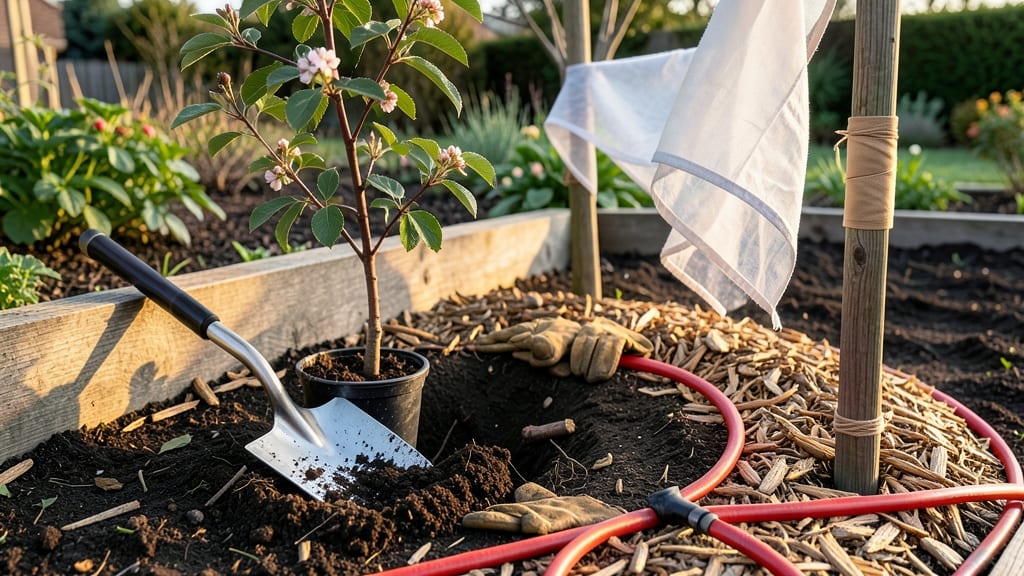
Planting a 🍎 fruit tree in Colorado isn’t just about grabbing a sapling and sticking it in the ground—it’s about timing it right to survive the state’s dramatic swings from frost to summer heat.
Get the window wrong, and you could end up with a tree that struggles to thrive or worse, doesn’t make it past the first winter.
Most Colorado gardeners in zones 5-7 know the golden rule: late winter to early spring is your best bet, but there’s more to it than just the calendar.
Whether you’re planting bare-root trees in February or container-grown varieties in April, matching your fruit tree to your local chill hours is the key to ensuring strong root growth before the heat of summer hits.
I’ve seen firsthand how a 5-minute difference in planting can mean the difference between a thriving orchard and a sad, stunted tree.
In this guide, I’ll walk you through the exact months to plant apples, peaches, cherries, and other varieties—plus how to adjust for Colorado’s microclimates, from the Front Range to the Western Slope.
Ready to turn your backyard into a productive orchard? Let’s dive into the easiest way to plant your fruit trees for a bountiful harvest, no matter where you are in the Centennial State.
Colorado’s chill-hour zones: matching fruit trees to your microclimate
Colorado’s diverse climate—from the Front Range’s 6,000-foot elevations to the Western Slope’s arid valleys—creates unique chill-hour requirements for fruit trees. These chill hours (temperatures between 32°F and 45°F) are critical for fruit trees to bloom and produce.
For example, apples need 600-1,200 chill hours, while peaches thrive with 300-500 hours. Matching your tree to your region’s chill hours ensures healthy growth and abundant harvests.
In Colorado, chill hours range from 300 hours in the Western Slope (like Grand Junction) to over 1,200 hours in the Eastern Plains (near Colorado Springs). The Front Range typically falls between 500-900 hours, making it ideal for apples, pears, and cherries.
Understanding these zones helps you avoid planting low-chill varieties in high-elevation areas where they’ll fail to fruit.
Here’s how to match fruit trees to Colorado’s microclimates. The table below breaks down the best varieties for each region, along with their chill-hour needs and ideal planting windows.
| Region | Chill Hours | Best Fruit Trees | Planting Window | Notes |
|---|---|---|---|---|
| Western Slope (Grand Junction, Durango) | 300-500 | Peaches, Nectarines, Apricots | Late February - March | Low-chill varieties only; avoid apples/pears. |
| Front Range (Denver, Boulder, Fort Collins) | 500-900 | Apples, Pears, Cherries, Plums | March - Early April | Dwarf varieties work well in urban areas. |
| Eastern Plains (Colorado Springs, Pueblo) | 900-1,200 | Apples, Pears, European Plums | Early April - Mid-April | Higher elevations may need late-season varieties. |
| San Luis Valley (Alamosa, Monte Vista) | 700-1,000 | Apples, Pears, Sweet Cherries | Late March - Early April | Cold air pockets require windbreaks. |
For the Western Slope, where chill hours are limited, focus on stone fruits like peaches and nectarines. Varieties like Redhaven peaches or Fantasia nectarines thrive here because they require only 300-400 chill hours.
Plant these in late February to avoid early spring frost damage, which can kill young buds.
In the Front Range, where chill hours range from 500-900, you can grow a wider variety of fruit trees. Apples like Honeycrisp or Fuji (requiring 700-900 chill hours) do exceptionally well.
For cherries, Montmorency (sour) or Stella (sweet) are excellent choices. Plant these in March to allow roots to establish before the growing season peaks.
The Eastern Plains offers the highest chill hours in Colorado, making it perfect for European pears and apples. Varieties like Bartlett pears or Gala apples thrive here.
Plant these in early April to take advantage of the longer growing season. High-elevation areas (above 7,000 feet) may need late-season varieties that tolerate shorter summers.
If you’re in the San Luis Valley, where cold air settles in valleys, choose wind-resistant varieties like Honeycrisp apples or Bing cherries. Plant in late March and use windbreaks to protect young trees from late spring frosts.
Mulching with straw or wood chips helps insulate roots during temperature swings.
Best planting months by fruit tree type in Colorado
Colorado’s dormant-season planting offers the perfect window for establishing fruit trees before spring growth begins. For most varieties, late fall (October-November) and early spring (March-April) are ideal—just avoid planting when the ground is frozen.
The key is timing root growth with Colorado’s chill-hour requirements, which vary by elevation and tree type.
High-altitude areas above 6,000 feet need extra caution—plant 2-3 weeks later than lower elevations to avoid late frosts. For example, Denver’s 5,280 ft typically aligns with Front Range planting windows, while Aspen’s 7,800 ft requires delayed schedules. Always check your local last frost date (usually late April for most regions).
| Tree Type | Best Planting Window | High-Altitude Adjustment | Chill Hours Needed | Root Establishment Tip |
|---|---|---|---|---|
| Apples | March-April (bare-root) or October-November | Delay 2-3 weeks above 7,000 ft | 400-900 hours | Mulch heavily to protect roots |
| Peaches | March-April only (avoid fall) | Delay 1-2 weeks above 6,000 ft | 300-700 hours | Plant in well-drained soil |
| Plums | March-April or October (bare-root only) | Delay 1 week above 6,500 ft | 300-600 hours | Stake young trees for wind protection |
| Pears | March-April (best) or October-November | No adjustment below 7,000 ft | 400-800 hours | Choose cold-hardy varieties like 'Moonglow' |
Apples and pears thrive when planted in late fall because their roots establish before spring growth begins. I always opt for bare-root trees in November for my Front Range orchard, as they’ve had time to harden off naturally.
For stone fruits like peaches, spring planting is critical—fall-planted trees risk crown rot in Colorado’s wet winters.
Container-grown trees offer more flexibility—they can be planted throughout the growing season (April-October), but always water thoroughly before and after transplanting. For high-altitude gardens, delay planting until after May 1 to avoid late frosts that can damage emerging buds.
I’ve learned this lesson the hard way with my peach tree at 8,000 feet!
After planting, focus on root zone protection—apply 3-4 inches of organic mulch and water deeply once a week. Young trees need consistent moisture to establish roots before Colorado’s summer droughts kick in.
For container-grown trees, remove the pot and score the root ball to encourage new root growth into the surrounding soil.
Remember: Soil temperature matters most. Use a soil thermometer—roots won’t grow well below 40°F. In Denver, this usually means waiting until mid-March for spring planting. For high-altitude areas, I’ve found that late April planting gives roots enough time to establish before winter sets in.