
Planting
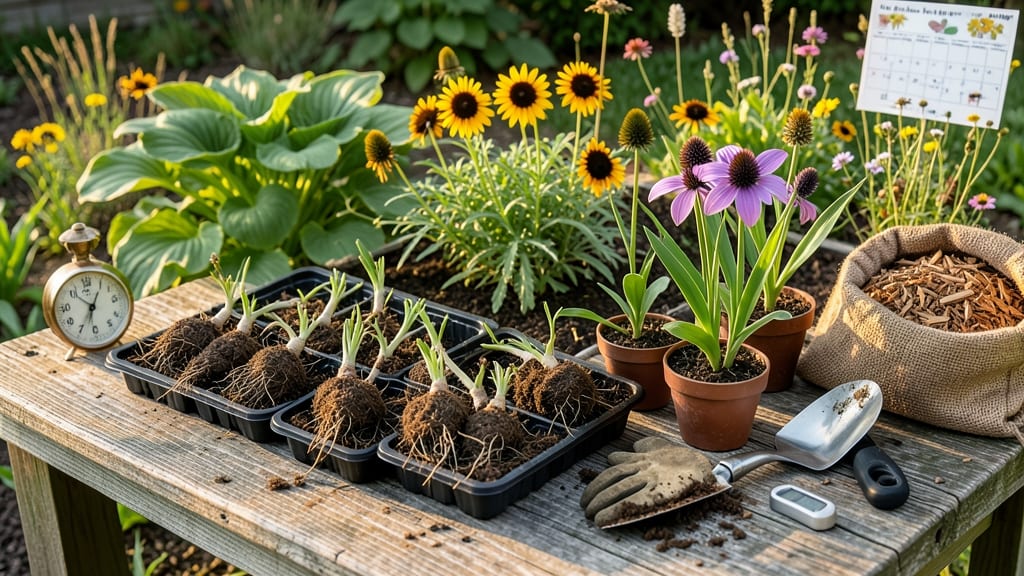
Timing your garden planting in Minnesota wrong can mean the difference between a bumper crop and a sad, frost-nipped disappointment. The key to success isn't just guessing—it's knowing your county's last-frost date down to the week, because those 3-5 days of warm soil can make or break your spring planting.
I've spent years watching Minnesota's weather patterns shift from the Twin Cities to the Iron Range, and what I've learned is that one size doesn't fit all.
Whether you're in Zone 3 or Zone 5, urban heat islands or lakeside microclimates can push your planting window earlier or later than the averages suggest. Let me show you exactly when to get those seeds in the ground for a foolproof harvest.
This isn't about following some generic calendar—it's about working with Minnesota's quirks. We'll cover the 10/10/10 rule for frost dates, how to adjust for late springs, and which cold-hardy crops actually thrive when your neighbors are still shoveling snow.
By the end, you'll know exactly when to plant for maximum success, no matter where you live in the North Star State.
Ready to stop second-guessing and start growing? Let's dive into the county-by-county planting schedule that'll have your garden thriving from spring to fall, frost-free and full of life.
Minnesota’s last-frost dates by county: when to plant for maximum success
Timing your garden planting in Minnesota is all about beating the frost—literally. The Minnesota State Climatology Office tracks last-frost dates by county, and these numbers are your golden ticket to avoiding frozen seedlings.
Whether you're in Zone 3 (northern MN) or Zone 5 (southern MN), knowing your county's average last frost helps you plan for warm-season crops like tomatoes and peppers, as well as cool-season crops that thrive in early spring or late fall.
But here's the catch: microclimates matter. A city like Minneapolis (Hennepin County) may see frost 1-2 weeks earlier than rural areas nearby due to the urban heat island effect. Meanwhile, lakes and river valleys can hold frost longer, delaying your planting window.
That’s why I’ve pulled the most reliable frost date data for Minnesota counties—so you can plant with confidence and avoid the heartbreak of a late frost wiping out your tomato seedlings or cucumber vines.
Below, you’ll find a county-by-county breakdown of average last spring frost and first fall frost dates, plus hardiness zone details. Use this as your planting calendar guide, but always double-check with local weather forecasts before sticking seeds in the ground.
Pro tip: Cold-hardy crops like peas and spinach can handle light frosts, while tender plants like basil need to wait until all danger of frost has passed.
| County | Hardiness Zone | Avg. Last Spring Frost | Avg. First Fall Frost | Microclimate Notes |
|---|---|---|---|---|
| Cook | 4b | May 10-15 | Sep 25-Oct 2 | River valleys delay frost |
| Hennepin | 4b | May 12-17 | Sep 20-Oct 1 | Urban heat island effect |
| Renville | 4a | May 5-10 | Sep 20-25 | Rural, cooler nights |
| Stearns | 4b | May 8-13 | Sep 22-Oct 1 | Lake influence nearby |
| Mower | 5a | May 15-20 | Oct 5-10 | Warmer southern MN |
| Beltrami | 3b | May 20-25 | Sep 10-15 | Northern MN, late frost |
| Anoka | 4b | May 11-16 |
How to adjust planting times for Minnesota’s unpredictable weather patternsMinnesota’s unpredictable frost dates can leave even experienced gardeners second-guessing their planting schedule. One year, your last frost date might arrive by May 15, while another year, it lingers until June 1. The key to success? Flexibility and preparation. By mastering a few simple strategies, you can adjust your planting timeline to match Minnesota’s ever-changing weather—without sacrificing your harvest. Start with the 10/10/10 rule: Wait until the soil is at least 50°F (10°C) at a depth of 4 inches, and the air temperature stays above 50°F (10°C) for 5 consecutive days. This rule helps you avoid planting too early when a late frost could wipe out tender seedlings. Pair this with a soil thermometer for precision—Minnesota’s clay-heavy soils can stay cold long after the air warms up.
🌱 Numbered Highlights: Adjusting Planting Times in Minnesota
Don’t overlook regional microclimates—they can shift your planting window by weeks. For example, areas near Lake Superior stay cooler longer due to lake breezes, while southern Minnesota (Zone 5) often warms up faster than the northern border (Zone 3). Use local weather stations or the MN State Climatology Office to track real-time conditions. If you’re in doubt, opt for cold-hardy varieties like Swiss chard or kohlrabi, which tolerate light frosts and buy you extra time. For warm-season crops that hate cold (like tomatoes or cucumbers), consider starting seeds indoors 4-6 weeks before your last frost date. Use grow lights to simulate long daylight hours, and harden off seedlings by placing them outdoors for 2-3 hours daily starting 1 week before transplanting. This gradual transition helps them survive Minnesota’s temperature swings after moving to the garden. Finally, embrace succession planting to maximize your growing season. Instead of planting all your bush beans at once, sow a new batch every 2 weeks until mid-July. This ensures a steady harvest even if late frosts or heatwaves disrupt one planting. Pair this with row covers for early or late plantings—just remove them when flowers appear to prevent heat stress. With these strategies, you’ll turn Minnesota’s unpredictable weather into an advantage. Start with the 10/10/10 rule, monitor soil temperatures, and adjust for your microclimate. Soon, you’ll be harvesting homegrown veggies weeks longer than your neighbors—no guessing game required. 🌱 |