
Planting
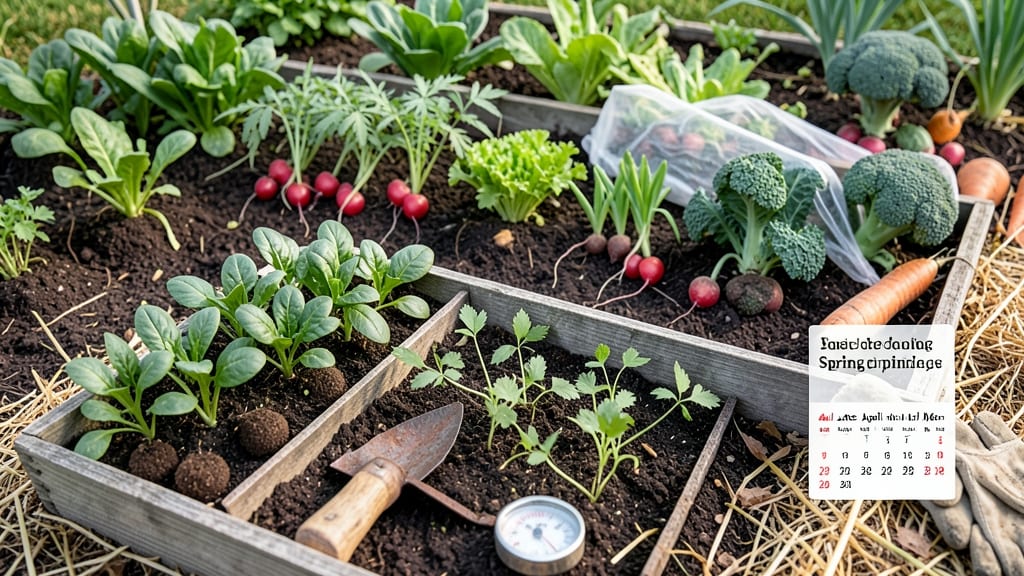
Planting your Wisconsin garden at the wrong time can mean the difference between a bountiful harvest and a sad pile of frost-nipped seedlings. The key to success isn't luck—it's knowing exactly when to put those 🌱 General Garden Plants in the ground so they thrive in your 4a-5b climate zone.
With Wisconsin's unpredictable spring weather, guessing when to start can feel like playing roulette with your tomatoes. But by following the right frost-date map and planting schedule, you'll avoid common mistakes that waste time, money, and effort.
Whether you're a first-time gardener or a seasoned pro, these insights will help you time your plantings perfectly for maximum yields.
I'll walk you through the exact windows for spring and fall planting, including how to adjust for your specific region—whether you're in the cooler north or the slightly warmer south.
You'll discover which crops belong in the soil as early as mid-April and which should wait until July to avoid frost damage.
Ready to transform your garden from hit-or-miss to consistently productive? Let's dive into the science-backed timing that will give your 🌱 General Garden Plants the best possible start—no more second-guessing, just confident planting.
Wisconsin frost dates by region: safe planting windows for vegetables and flowers
Wisconsin’s diverse climate means frost dates can vary by hundreds of miles, even within the same county. Understanding your last spring frost and first fall frost dates is critical for timing cool-season crops like spinach and warm-season crops like tomatoes.
The state’s five distinct regions—Northern, Central, Southern, Lake Michigan, and Driftless Area—each have unique frost windows that dictate your planting schedule.
For example, Northern Wisconsin (USDA Zones 3-4) often sees its last frost in mid-May, while Southern Wisconsin (Zones 5-6) can be frost-free by early May. These differences mean a 3-week gap in safe planting times.
Below, I’ll break down each region’s frost dates and share actionable planting windows for your favorite vegetables and flowers.
Pro Tip: Always check your local Almanac frost dates or use the Midwest Regional Climate Center for the most current data. Microclimates—like urban heat islands or lake-effect zones—can shift frost dates by 1-2 weeks.
Now that you know your region’s frost dates, let’s talk planting windows. In Northern Wisconsin, where frost-free days are limited to 115–125 days, prioritize fast-maturing crops like bush beans (50–60 days) and radishes (25–30 days).
Start cool-season crops like kale and spinach in early April, while warm-season crops like tomatoes and peppers should wait until after May 20.
In Southern Wisconsin, with 160–170 frost-free days, you can afford to plant longer-season crops like corn (90–110 days) and sweet potatoes (100–120 days).
Begin warm-season crops in late April for an earlier harvest, but always be ready to cover young plants if late frosts strike.
For flowers, timing matters too. Annuals like zinnias and marigolds thrive when planted after the last frost
Best plants to grow in Wisconsin by season: a month-by-month guide
Wisconsin’s variable climate means your planting schedule should shift with the seasons. Whether you’re growing tomatoes that need warmth or lettuce that thrives in cool weather, timing is everything.
Start indoors for heat-loving plants like peppers in early spring, while cool-season crops like spinach can handle Wisconsin’s chilly early spring soils. The key? Adjust for your last frost date—typically mid-May in most regions but earlier in southern Wisconsin.
For herbs like basil, wait until after the last frost to plant outdoors, but get a head start indoors by late March. Flowers such as marigolds can handle cooler temps, making them perfect for early spring sowing.
Meanwhile, zinnias and sunflowers love the summer heat and should be planted after Memorial Day. Below, I’ve broken down the best planting times for Wisconsin’s top crops, including when to start indoors versus direct sowing.
| Plant Type | Indoor Start (Weeks Before Last Frost) | Direct Sow (Month) | Notes |
|---|---|---|---|
| Tomatoes | 6-8 weeks before last frost | Mid-May to June | Needs warm soil (60°F+) |
| Peppers | 8-10 weeks before last frost | Late May to early June | Slow to germinate; start early |
| Lettuce | Not needed | March-April or August-September | Bolt-resistant varieties for summer |
| Basil | 4-6 weeks before last frost | After last frost (May-June) | Frost-sensitive; bring indoors in fall |
| Cilantro | Not needed | March-April or August-September | Bolts in heat; plant in partial shade |
| Marigolds | Not needed | April-May or July-August | Pest deterrent; great for succession |
| Zinnias | Not needed | May-June | Thrives in summer heat; deadhead for blooms |
Spring planting in Wisconsin kicks off in March and April with cool-season crops like spinach, kale, and radishes. These can handle Wisconsin’s early spring soils, even if they’re still chilly.
For warm-season crops like tomatoes and cucumbers, wait until the soil warms to at least 50°F—usually mid-May or later. If you’re eager to start early, use row covers to protect tender seedlings from late frosts.
Summer is all about heat-loving plants. By June and July, you can direct sow beans, corn, and sunflowers into the warm soil. Herbs like basil and dill also thrive in summer’s warmth but need consistent moisture.
Don’t forget to succession plant crops like bush beans every 2 weeks for a continuous harvest. Fall planting starts in August with cool-season crops like broccoli and carrots, planted 8-10 weeks before your first frost.
For herbs and flowers, timing matters just as much. Cilantro and lettuce can be sown in early spring and again in late summer for a fall harvest. Marigolds and zinnias are perfect for summer borders, while nasturtiums can handle cooler fall temps.
If you’re growing perennials, like lavender or coneflowers, plant them in early spring or fall to give roots time to establish before Wisconsin’s harsh winters.
Pro tip: Use Wisconsin’s frost-free date calculator to pinpoint your exact planting windows. Southern Wisconsin (like Madison) has a longer growing season than northern regions (like Superior), so adjust accordingly.
With this month-by-month guide, you’ll avoid the common mistakes of planting too early or too late—and enjoy a bountiful harvest all season long! 🌱