
Plants
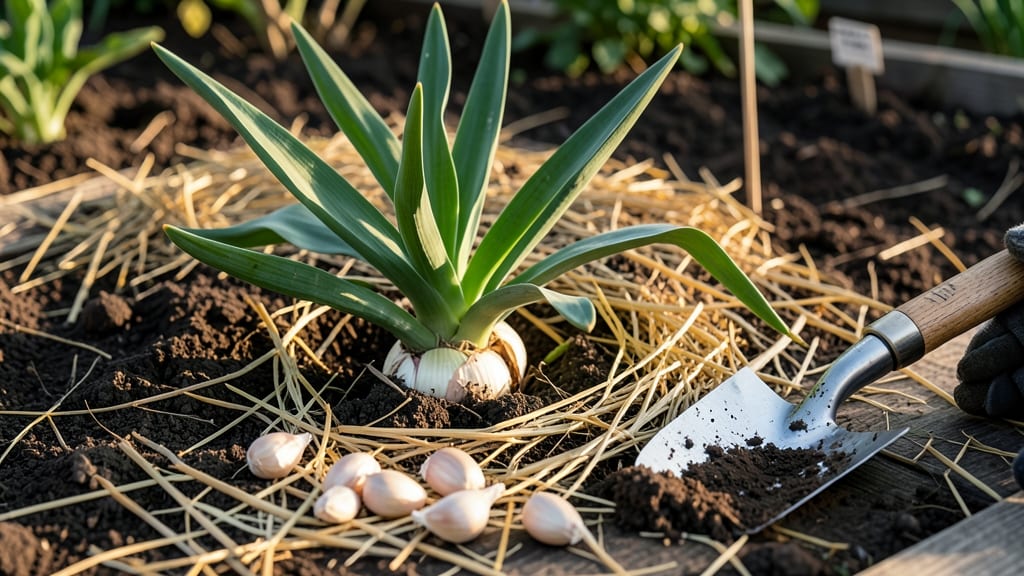
Planting garlic in New Jersey at the wrong time can mean the difference between plump, flavorful bulbs and tiny, disappointing harvests.
The key to success lies in understanding your USDA Zone 6a-7a climate—where timing isn’t just about months, but about soil temperatures, frost dates, and even the type of garlic you choose.
Most gardeners know fall is the prime window, but did you realize hardneck varieties (like the popular 'Silverskin') need to be in the ground by mid-November to thrive?
Meanwhile, softneck types can stretch planting into December. Getting this right means bigger yields and fewer pests—no small feat in NJ’s unpredictable winters.
I’ve tested both approaches over the years, and the results speak for themselves: proper timing isn’t just about when you plant—it’s about how you prep your soil, protect your cloves from early freezes, and even which variety suits your local microclimate. Let’s break down exactly what works in your backyard.
Whether you’re a first-time grower or a seasoned gardener, these insights will help you avoid common mistakes and maximize your harvest. Ready to grow garlic like a pro? Let’s get started.
New Jersey garlic planting calendar: hardneck vs softneck timing explained
New Jersey's USDA Zones 6a-7a offer perfect conditions for growing garlic, but timing is everything. The fall planting window is critical—whether you're growing hardneck or softneck varieties. Plant too early, and your bulbs may rot; too late, and they won't mature properly before harvest.
Let's break down the optimal planting schedule for each type, tailored to NJ's climate variations.
North Jersey's cooler temperatures (Zone 6a) often mean earlier frosts, while South Jersey's warmer microclimates (Zone 7a) extend the growing season. For hardneck garlic, which produces scape shoots and larger cloves, aim for mid-October to early November.
This timing ensures roots establish before winter dormancy. Softneck varieties, known for their longer storage life, can tolerate a slightly later window—up to mid-December—but still before the ground freezes.
Average first frost in NJ typically arrives around November 15, but this can vary by 5-10 days depending on the year. Planting 4-6 weeks before this date gives garlic enough time to root deeply before winter sets in. For example, if your frost date is November 20, plant between October 15-25 for hardnecks and up to November 10 for softnecks.
Soil temperature is another key factor. Garlic cloves need 40-50°F soil to sprout successfully. In NJ, soil temperatures drop below this threshold by late November, so don't wait until December. Use a soil thermometer to check if you're unsure. For organic gardeners, this is also the time to amend soil with compost or aged manure to improve drainage and fertility.
Here’s a quick reference for New Jersey’s garlic planting calendar, including regional adjustments:
If you're in South Jersey, you might push the envelope slightly later due to warmer microclimates. For example, Cape May or Atlantic City areas can sometimes accommodate softneck garlic planted in early December.
However, always monitor weather forecasts—unexpected cold snaps can damage young plants. Hardneck varieties are less forgiving; they need that October-November window to develop properly.
One common mistake is planting garlic too close to winter. If you wait until January, the cloves won’t have enough time to establish roots before the spring growing season kicks in.
Instead, think of fall planting as a preparation for next summer’s harvest. The bulbs will spend winter dormant but will bolster their energy reserves for rapid growth in spring.
For organic gardeners, consider planting cover crops like clover or winter rye in the off-season to improve soil structure. These crops can be tilled into the soil in early spring, adding nitrogen and organic matter just as garlic begins its active growth phase.
This practice also helps suppress weeds, reducing competition for nutrients.
Remember, harvest timing is the payoff for your fall planting. In NJ, garlic is typically ready to harvest in late June to early August of the following year. The key is to wait until lower leaves turn brown but the top leaves remain green.
This signals that the bulb has matured but hasn’t yet started to dry out. Don’t rush it—over-mature garlic can split or lose flavor.
🧄
5 Critical factors that determine perfect garlic planting time in NJ
When it comes to planting garlic in New Jersey, timing isn’t just about the calendar—it’s about understanding five critical variables that can make or break your harvest. I’ve learned the hard way that even a few weeks off can mean the difference between plump, flavorful bulbs and disappointing results.
Let’s dive into what truly matters for your garden.
First, soil temperature is the foundation. Garlic cloves need the ground to be between 40°F and 50°F at planting time.
In NJ’s USDA Zone 6a-7a, this usually aligns with late October to early November, but cooler northern regions (like Sussex County) may need to plant earlier than warmer southern areas (like Cape May).
- Soil Temperature: 40°F–50°F (ideal for root establishment)
- Daylight Hours: <14 hours (triggers bulb formation)
- Last Frost Date: Mid-November (plant 4–6 weeks before)
- Bulb Size: 4–6 cloves per bulb (larger = bigger harvests)
- Growing Method: Organic (earlier prep) vs. Conventional (soil amendments)
Next, daylight hours play a surprising role. Garlic needs less than 14 hours of daylight to form bulbs—this natural signal tells the plant it’s time to focus on bulb development. In NJ, daylight drops below this threshold by early October, which is why fall planting is ideal.
If you’re tempted to plant in spring, be prepared for smaller bulbs since daylight will exceed 14 hours too soon.
Last frost dates are another game-changer. For 2024, NJ’s average last frost falls around mid-November, but this can vary by 1–2 weeks depending on your microclimate. To be safe, plant garlic 4–6 weeks before your expected frost date. This gives roots time to establish before winter sets in. Pro tip: Use a soil thermometer to confirm temperatures—don’t rely solely on the calendar.
Don’t overlook bulb size selection. Larger cloves (with 4–6 segments) produce bigger harvests, while smaller ones yield tiny bulbs. For NJ’s climate, I recommend hardneck varieties like ‘German White’ or ‘Music’ for their cold hardiness and bold flavor.
Softneck types, like ‘Artichoke,’ can handle slightly later plantings but may struggle in northern NJ’s harsher winters.
Finally, your growing method affects timing. Organic gardeners should prep soil 6–8 weeks before planting with compost and mulch to improve drainage and warmth. Conventional growers can use soil amendments like well-rotted manure closer to planting, but organic methods require earlier prep.
Both approaches benefit from mulching with straw after planting to insulate cloves through winter.
Master these five factors, and you’ll be well on your way to growing NJ-sized garlic bulbs that rival anything at the grocery store. The key is paying attention to your local microclimate and adjusting accordingly—because in gardening, one size never fits all. 🌱