
Plants
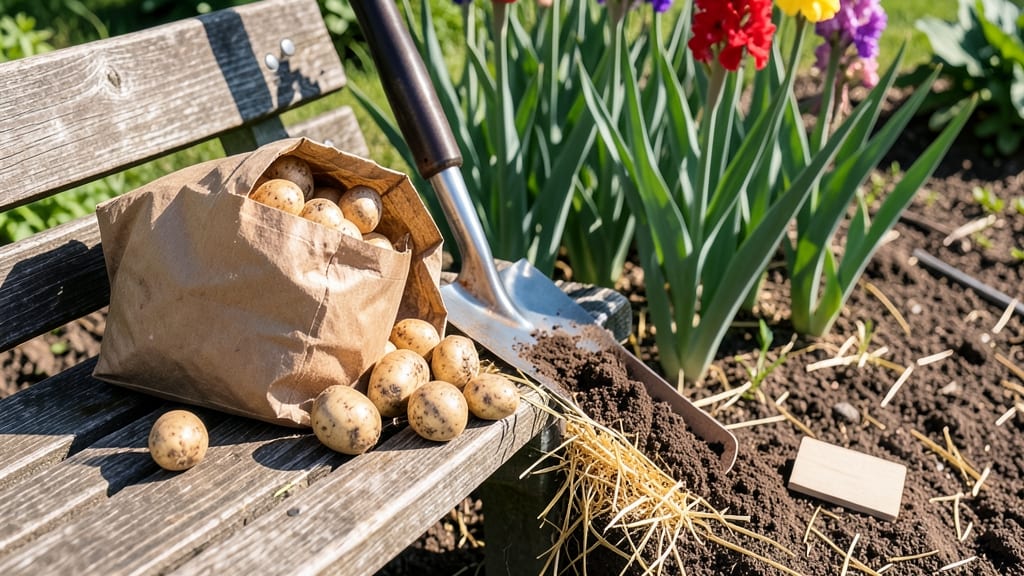
Planting gladiolus bulbs in Oklahoma at the wrong time can mean the difference between stunning summer blooms and wasted effort. These showy, sword-shaped flowers (🌸) need precise timing to thrive in our 6b-7a climate, where late frosts still linger into April.
Most gardeners wait until late March to mid-April, but rushing too early risks frost damage, while waiting too late cuts your bloom season short. The key is watching soil temperatures—aim for 60°F+—and knowing your last frost date, which varies across northern vs. southern Oklahoma.
In this guide, I’ll break down the exact window to plant for maximum blooms, plus how to extend your season with staggered plantings. Whether you’re a first-time grower or a seasoned gardener, these tips will help you avoid common mistakes and get the most out of your gladiolus.
Ready to transform your garden into a summer-long floral display? Let’s get those bulbs in the ground at the perfect moment.
Best planting windows for Oklahoma gladiolus: soil temperature & frost-free rules
Timing is everything when planting gladiolus bulbs in Oklahoma. These stunning summer bloomers need warm soil and frost-free conditions to thrive. Plant too early, and frost will kill tender shoots.
Wait too long, and you’ll miss peak bloom season. Let’s break down the perfect planting windows based on Oklahoma’s USDA zones 6b-8a and soil temperature rules.
Oklahoma spans USDA zones 6b-8a, with northern counties like Woods County (zone 6b) experiencing later springs than southern regions like Love County (zone 8a). The general rule: plant gladiolus corms when soil temperatures consistently reach 60°F and the last frost date has passed.
This usually falls between late March and mid-April for most of the state.
Here’s a quick reference for Oklahoma’s frost-free dates and ideal planting windows by region:
| Region | USDA Zone | Avg. Last Frost | Soil Temp Threshold | Ideal Planting Window |
|---|---|---|---|---|
| Northern OK (e.g., Woodward, Enid) | 6b | Late March - Early April | 60°F+ (after April 15) | Mid-April to Early May |
| Central OK (e.g., Oklahoma City, Stillwater) | 7a | Mid-March - Late March | 60°F+ (after April 1) | Late March - Mid-April |
| Southern OK (e.g., Tulsa, Lawton) | 7b-8a | Early March - Mid-March | 60°F+ (after March 20) | Late March - Early April |
For northern Oklahoma, where frosts can linger into mid-April, wait until soil temperatures stabilize above 60°F. Use a soil thermometer to check—gladiolus corms won’t sprout until the ground warms up.
In central and southern Oklahoma, you can plant as early as late March, but monitor weather forecasts for late frosts.
Pro tip: If you’re eager to start earlier, pre-sprout gladiolus corms indoors in late February. Place them in a tray with sphagnum moss or vermiculite, keep them in a warm, sunny spot, and transplant outdoors once soil warms up.
This gives you a 2-week head start on the season.
Gladiolus also thrive with staggered planting. For continuous blooms from summer to fall, plant new corms every 2-3 weeks between April and June. This ensures fresh flowers as old ones fade.
Just remember: late summer plantings (June) may bloom in fall, but they’ll need protection from early frosts.
One common mistake in Oklahoma is planting too shallow. Gladiolus corms need to be buried 4-6 inches deep to prevent frost heave and uneven growth. Use a trowel to dig holes, place corms with the pointy end up, and cover with soil.
Add a 2-inch layer of mulch afterward to retain moisture and regulate soil temperature.
If you’re in a high-altitude area like Oklahoma City (elevation ~1,500 ft), expect cooler soil temperatures than in Tulsa (elevation ~600 ft). Adjust your planting timeline accordingly—wait 1-2 weeks longer in cooler microclimates. Always check local Almanac frost dates for your specific county to fine-tune your schedule.
Finally, avoid planting gladiolus in heavy clay soil, which is common in Oklahoma. Amend beds with compost or sand to improve drainage. Well-draining soil prevents rot and ensures strong, healthy spikes.
With the right timing and soil prep, your gladiolus will reward you with bold, vibrant blooms all season long!
How to extend Oklahoma’s gladiolus season: staggered planting for continuous blooms
Want your garden to burst with gladiolus blooms from summer through fall? The secret lies in staggered planting—a simple strategy that transforms one-time bursts of color into a nonstop floral display.
Oklahoma’s USDA zones 6b-8a and hot summers make this approach perfect for maximizing your gladiolus season without overcrowding your garden.
By planting new batches every 4–6 weeks, you’ll ensure fresh blooms appear just as the last ones fade. This method also helps avoid overwhelming your soil with too many corms at once while extending the visual impact.
For Oklahoma gardeners, this means continuous color from July through October—just in time for summer weddings, fall festivals, and holiday decorations.
- 1. First Planting: Late March–Early April (after last frost, soil at 60°F+). Use early-blooming varieties like 'Green Star' or 'Picasso'.
- 2. Second Planting: Mid-April (4 weeks later). Choose mid-season bloomers like 'Black Star' for July–August color.
- 3. Third Planting: Early May (for late-summer blooms). Opt for heat-tolerant varieties like 'White Prosperity' to thrive in Oklahoma’s 90°F+ heat.
- 4. Optional Fourth Planting: Late May–Early June (if using row covers for frost protection). Best for fall displays in September–October.
For early or late plantings, protect your gladiolus with floating row covers or lightweight mulch (like straw). In northern Oklahoma, a black plastic mulch can warm the soil faster, while southern regions may need shade cloth during extreme heat to prevent bud drop.
Always plant corms 4–6 inches deep and 4–6 inches apart for optimal airflow and growth.
Pro tip: Mix tall varieties (like 'Telemon' at 5 feet) with shorter ones (like 'Picturess' at 2.5 feet) to create layered visual interest. This not only extends your blooming season but also adds height and texture to your garden beds.
Pair gladiolus with salvia or ornamental grasses to create a low-maintenance, high-impact display.
Remember, gladiolus are heavy feeders, so side-dress with compost every 4–6 weeks during active growth. In Oklahoma’s clay-heavy soils, amending with sand or perlite improves drainage, which is critical for preventing rot and fungal diseases.
With these strategies, your gladiolus will reward you with months of vibrant blooms—far beyond what a single planting could achieve.
Start your first batch now, and by July 4th, you’ll have a garden full of show-stopping gladiolus that keeps giving until frost. Happy planting! 🌿