
Plants
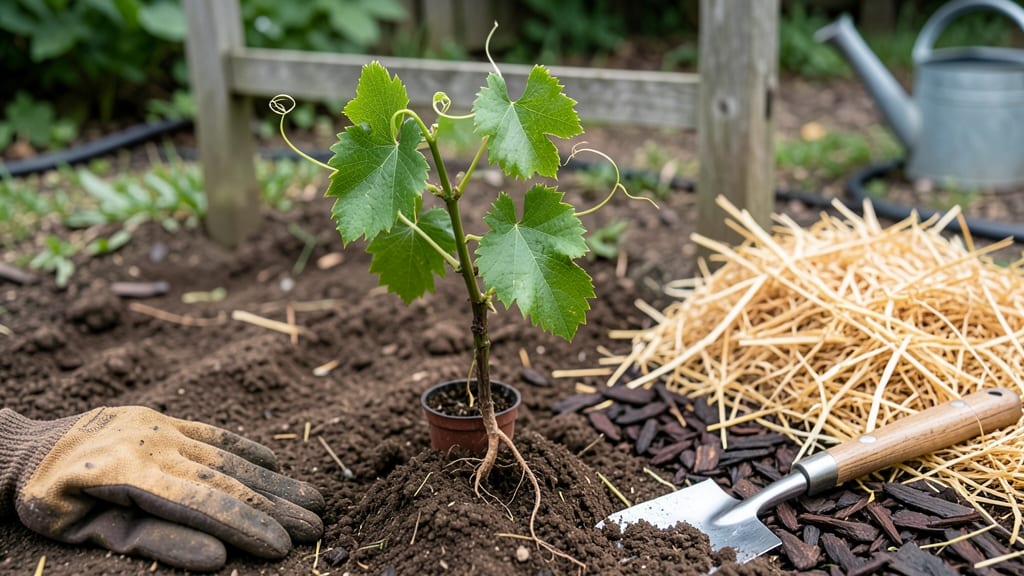
Planting your 🍇 grape vine at the wrong time in Illinois could mean frost damage or stunted growth—so getting the timing right is the key to a thriving vineyard.
The state's USDA Zones 5-6 demand precise attention to chill hours and frost dates, especially since grapes need 150-180 days to mature.
Most gardeners in Illinois plant grape vines in April-May or late summer (September-October), but the exact window depends on your region's last frost date—typically around April 15. This timing ensures your vines establish strong roots before summer heat arrives, setting you up for a bountiful harvest in August-September.
Whether you're planting bare-root vines or container-grown varieties, I'll walk you through the best methods for your climate zone. You'll learn how to prepare soil, choose the right varieties for your area, and avoid common mistakes that sabotage new plantings.
Let's dive into the exact planting schedule and care tips that will help your grape vines thrive—so you can enjoy homegrown fruit for years to come.
Illinois grape planting zones: chill hours & last-frost dates by region
Planting grape vines in Illinois requires understanding your USDA Hardiness Zone (5-6) and the chill hours your chosen variety needs to thrive. Northern Illinois typically sees 1,000+ chill hours, while Southern regions average 800-900 hours.
These chill hours trigger dormancy in grape vines, ensuring they produce fruit reliably each season.
Timing your planting window is critical—grapes need 4-6 weeks before the last spring frost to establish roots. In Illinois, this means planting mid-April to early May in most regions. However, fall planting (September-October) is also possible, allowing vines to root before winter dormancy.
The last frost dates vary dramatically across Illinois. Northern regions like Chicago and Davenport often see frost until mid-April, while Southern areas like Springfield and St. Louis typically warm up by early April.
Microclimates near lakes or rivers can delay frost by 1-2 weeks, so always check local records.
| Region | USDA Zone | Chill Hours | Last Frost Date | Best Planting Window |
|---|---|---|---|---|
| Northern Illinois (Chicago, Rockford) | 5a-5b | 1,000-1,200+ | Mid-April | Late April - Early May |
| Central Illinois (Peoria, Springfield) | 6a-6b | 800-900 | Early April | Mid-April - Late April |
| Southern Illinois (Cairo, Carbondale) | 6b-7a | 700-800 | Late March | Late March - Early April |
| All Regions (Fall Planting) | 5-7 | Varies | N/A | September - Early October |
Northern Illinois gardeners should prioritize high-chill varieties like Concord or Niagara, which thrive with 1,000+ chill hours.
These grapes are well-suited to the shorter growing seasons and colder winters of zones 5a-5b. In contrast, Southern Illinois can handle lower-chill varieties such as Catawba or Marechal Foch, which require 700-800 hours.
For container growing, timing is even more critical. Potted grape vines need 6-8 weeks to establish before the first frost. In Northern Illinois, this means planting no later than June 1 for container varieties. Southern regions have more flexibility, allowing containers to be planted until mid-May.
Always monitor local frost forecasts and adjust your planting schedule accordingly. A sudden late frost can devastate young vines, so consider using row covers or black plastic mulch for extra protection during early spring.
Hardy varieties like Valiant or Frontenac are excellent choices for zone 5 gardeners looking for extra frost resistance.
Soil temperature is another key factor. Grape vines won’t sprout until the soil reaches 50°F (10°C). In Illinois, this typically occurs 2-3 weeks after the last frost.
Use a soil thermometer to confirm readiness before planting. Amending your soil with compost and well-rotted manure will improve drainage and warmth retention, giving young vines a stronger start.
Fall planting offers a second chance for Illinois gardeners who miss the spring window. Planting bare-root vines in September allows them to establish roots before winter dormancy.
Choose dormant vines and water deeply after planting to encourage root growth before the ground freezes. Mulch heavily with straw or leaves to insulate roots during winter.
Remember, grape vines are perennial plants that will produce fruit for decades with proper care. Getting the planting timing right in Illinois ensures your vines survive the first critical year and reward you with abundant harvests for years to come. 🍇
Best grape varieties for Illinois climates & when to plant them
Choosing the right grape varieties for Illinois means selecting cold-hardy types that thrive in USDA Zones 5-6. Varieties like Concord, Niagara, and Marechal Foch are top performers, offering sweet fruit and strong winter survival.
These varieties match Illinois’ 500-1,000 chill hours, ensuring reliable harvests even in unpredictable springs.
Timing your planting is critical—spring (April-May) or fall (September-October) are ideal windows. Spring planting lets vines establish roots before summer heat, while fall planting avoids early-season stress. For potted vines, you can plant slightly later, as containers provide extra insulation against frost.
| Variety | Best Planting Window | Chill Hours Needed | Harvest Time | Spacing (Trellis) |
|---|---|---|---|---|
| Concord | April-May or Sept-Oct | 600-800 hours | Late August | 8-10 ft apart |
| Niagara | April-May or Sept-Oct | 500-700 hours | Early September | 6-8 ft apart |
| Marechal Foch | April-May (best) | 900-1,100 hours | Mid-September | 10-12 ft apart |
For early-season performers, Niagara grapes are a standout choice, ripening in early September. They’re perfect for northern Illinois where summers are shorter. In contrast, Marechal Foch is a late-season variety that thrives in central and southern Illinois, offering richer flavors for those who prefer a longer growing season.
Before planting, prepare your soil by amending it with compost and organic matter to improve drainage. Grape vines need well-draining soil with a pH of 6.0-6.5. Install a trellis system before planting—vines need support to grow vertically and maximize sunlight exposure.
Space vines according to the variety’s needs, with 8-12 feet between plants for optimal air circulation.
In northern Illinois, where frost risk lingers longer, opt for Concord or Niagara and plant in late April or early May. Southern Illinois gardeners can push planting to mid-April or even late fall, thanks to milder winters.
Always water deeply after planting to encourage root growth, and mulch heavily to retain moisture and protect roots from temperature swings.
With the right variety and timing, your grape vines will reward you with abundant harvests for years to come. Start with bare-root plants in early spring or potted vines in fall for the best results, and watch your trellis transform into a fruitful garden oasis. 🍇