
Plants
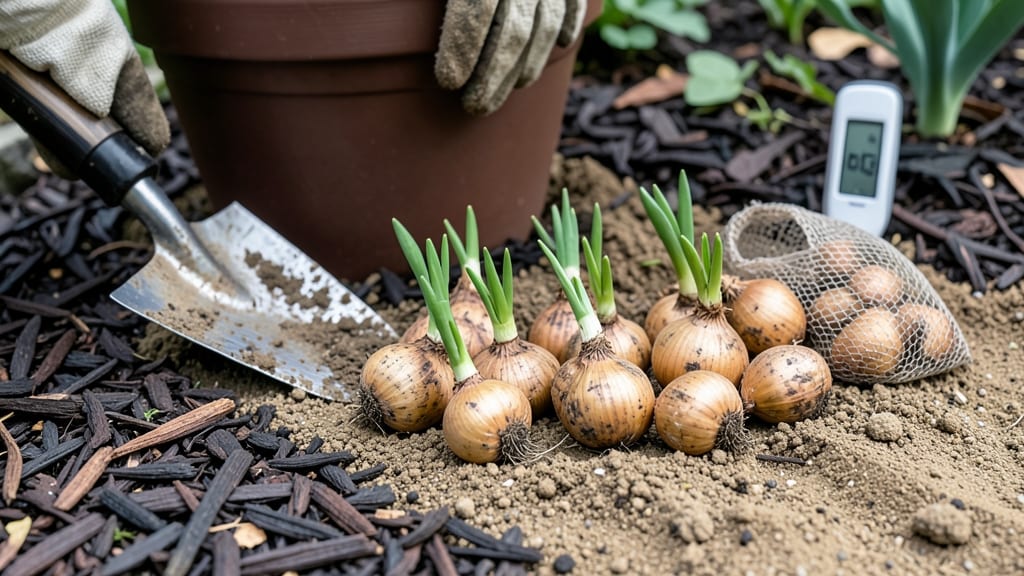
Planting tulips in Texas isn’t just about grabbing bulbs and sticking them in the ground—it’s about outsmarting the heat and timing your move just right to beat the Texas sun.
With the right window, you can coax those 🌷 blooms to life even in zones 8a-10b, where summer’s lingering warmth can turn tulips into a gamble.
Most gardeners assume spring is the time to plant, but in Texas, that’s a recipe for disappointment. The key lies in cooler months—October through January—when soil temperatures drop and bulbs can establish roots before summer’s brutal heat arrives.
Whether you’re in North Texas or down in the Rio Grande Valley, the exact timing shifts with your local microclimate.
I’ve tested the best strategies over the years, and what works isn’t just about when you plant—it’s about how you prep your bulbs, shield them from summer stress, and give them the care they need to survive Texas’ extremes. Let’s break down the heat-zone-specific windows and tricks that actually work.
From chilling bulbs to choosing heat-resistant varieties, you’ll discover how to turn Texas’ challenging climate into your tulip garden’s secret weapon. Ready to grow vibrant blooms where others fail? Let’s get started.
Texas heat zones explained: best planting months by region
Texas gardeners know that timing is everything when planting tulip bulbs—especially in our three distinct heat zones. Unlike cooler climates, Texas' extreme summer heat can scorch bulbs before they even sprout.
The key is planting when soil temperatures drop below 60°F (15°C), giving roots time to establish before 100°F+ days arrive. Let’s break down the optimal planting windows for each Texas heat zone to ensure your tulips thrive.
Texas is divided into three heat zones based on average winter lows and summer intensity: Zone A (North Texas), Zone B (Central Texas), and Zone C (South Texas). Each zone has unique frost patterns and heat exposure, which directly impact when you should plant tulips.
For example, North Texas (Zone A) can experience hard freezes as early as November, while South Texas (Zone C) rarely dips below 40°F (4°C). These differences mean your planting window shifts 2-3 months depending on where you live.
Why timing matters: Tulip bulbs need 6-8 weeks of cool soil (below 60°F) to develop roots before spring blooming. In Texas, planting too early risks rot from soggy fall rains, while planting too late exposes bulbs to early heat stress. The sweet spot? Plant when daytime highs are consistently below 80°F and nights dip into the 50s°F (10-15°C)—this ensures bulbs root before summer heat arrives.
In Zone A (North Texas), gardeners should plant tulip bulbs between mid-October and mid-November. This window captures the cooler autumn days before first frost hits in mid-November. Cities like Dallas and Fort Worth benefit from crisp nights, which help bulbs establish roots quickly.
However, drought conditions are common, so mulching with straw is essential to retain moisture.
For Zone B (Central Texas), which includes Austin and San Antonio, the planting window extends later: November 1 to December 15. This zone’s unpredictable frost dates and occasional heat spikes make timing critical.
If you plant too early, bulbs may rot from heavy rains; too late, and they’ll struggle with early spring heat. Aim for 60°F soil and 50s°F nights to balance risk.
Zone C (South Texas), covering areas like Houston and Corpus Christi, has the latest planting window: December 1 to January 15. Here, mild winters mean bulbs can handle slightly warmer soil (65°F max), but prolonged heat in late winter can still stress them. Planting in December gives bulbs a 2-month head start before 90°F+ days return in spring. Shade cloth or partial shade placement can
Critical pre-planting steps for Texas tulip success
Texas gardeners know that tulip bulbs need special care before they hit the soil. Unlike cooler climates, our hot summers and mild winters demand extra prep work. The key is ensuring your bulbs get the right chilling period and soil conditions before extreme heat arrives.
Without this prep, your tulips might bolt or fail to bloom entirely.
First, check your soil temperature—it should be between 50-60°F before planting. Use a soil thermometer to avoid guessing. In North Texas, this usually aligns with October-November, while South Texas gardeners should aim for November-January.
The goal is to give bulbs time to root before summer heat stresses them.
⚠️ WARNING: Texas-Specific Risks ⚠️
- Premature sprouting from winter rains
- Bulb rot in soggy, warm soils
- Heat stress before roots establish
Don’t skip the chilling requirement—most tulip bulbs need 12-16 weeks below 40°F to bloom. If you’re in Zone 9 or 10, where winters are mild, you’ll need to pre-chill bulbs in your fridge for 8-10 weeks before planting.
Store them in a paper bag with peat moss to maintain humidity, and check weekly for sprouting.
For shade strategies, prioritize areas with afternoon shade—this is when Texas heat is most intense. Plant tulips near shrubs, trees, or trellises to block harsh sunlight. In containers, use lightweight shade cloth (30-50%) during summer months. Just ensure they still get 6+ hours of morning sun for blooming.
Finally, protect bulbs from Texas’ unpredictable weather. Use drip irrigation instead of overhead watering to avoid fungal diseases. After planting, apply a 2-inch layer of mulch (straw or pine needles work well) to regulate soil temperature.
In Zone 8 and below, a light frost cloth can shield new shoots from late frosts.
With these steps, your tulips will establish strong roots and bloom reliably—even in Texas’ challenging climate. The secret is patience and preparation before the first signs of spring. 🌷