
Plants
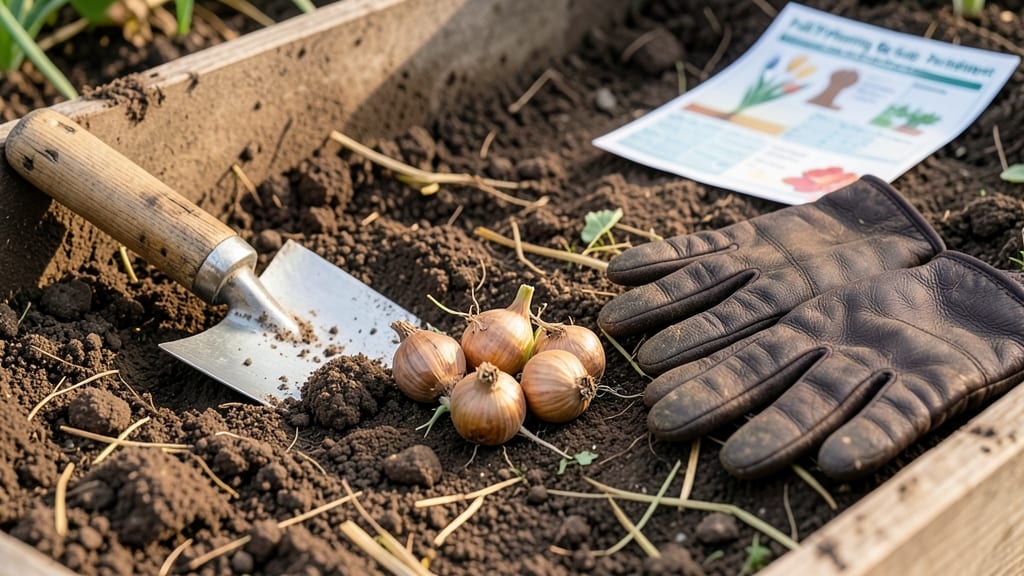
Planting tulip bulbs in Michigan isn't just about digging a hole—it's about matching their chill-hour needs to your zone's frost timeline. Too early, and they'll rot; too late, and you'll miss the critical 12-16 weeks below 40°F they need to bloom.
With Michigan's unpredictable weather, timing these 🌷 beauties right can mean the difference between a garden full of vibrant blooms and a sad, empty bed.
Most Michigan gardeners in zones 5b-6b should aim to plant tulip bulbs between mid-October and November, when soil temps drop to 40-50°F. This window gives bulbs time to root before winter while ensuring they get enough cold exposure.
But what if your frost comes early? Or if you're in a microclimate that warms up faster? I'll show you how to adjust your planting schedule based on real Michigan conditions—no guesswork involved.
Beyond the calendar, soil prep and bulb selection make all the difference. We'll cover how to test your soil's drainage, which varieties handle Michigan's winters best, and why planting depth matters.
Skip these steps, and you might end up with tulips that refuse to return year after year. Let's get your garden ready for next spring's showstopper blooms.
Ready to stop second-guessing and start planting with confidence? I'll walk you through every detail—from when to buy bulbs to avoiding the most common mistakes Michigan gardeners make. By the end, you'll know exactly when to plant for maximum blooms in your zone.
Michigan tulip planting calendar by hardiness Zone (including chill-hour requirements)
Michigan’s USDA Zones 4-6 create a unique challenge for tulip growers: 12-16 weeks below 40°F are non-negotiable for proper bulb dormancy. In northern Michigan (Zone 4), that means planting as early as mid-September, while southern gardens (Zone 6) can wait until mid-November.
The key? Match your planting window to your first hard frost date—not the calendar.
Most Michigan gardeners aim to plant 6 weeks before the ground freezes, but this varies wildly. In Traverse City (Zone 5b), that’s often early October, while Detroit (Zone 6a) might still have workable soil in late November.
The tradeoff? Planting too late risks insufficient chill hours, while early planting can lead to rot in soggy soil.
Here’s the critical rule: Tulips need 40-50°F soil temps to root before winter. Use a soil thermometer if unsure—plant when temps consistently stay in this range. In Zone 4, this might mean September planting; in Zone 6, you could wait until December.
🌷
| Zone | Ideal Planting Window | Chill Hours Needed | First Frost Avg. | Late Planting Risk |
|---|---|---|---|---|
| 4 (Marquette, Sault Ste. Marie) | Mid-Sept – Early Oct | 16+ weeks | Oct 10-20 | Poor dormancy |
| 5a (Grand Rapids, Lansing) | Late Sept – Mid-Oct | 14-16 weeks | Oct 15-25 | Shorter bloom season |
| 5b (Traverse City, Kalamazoo) | Early Oct – Early Nov | 12-14 weeks | Oct 20-30 | Weak stems |
| 6a (Detroit, Ann Arbor) | Late Oct – Mid-Nov | 12 weeks | Nov 1-10 | Minimal impact |
| 6b (Southwest MI) | Mid-Nov – Early Dec | 10-12 weeks | Nov 15-25 | None (mild winters) |
*Chill hours = weeks below 40°F; adjust for microclimates (e.g., urban heat islands plant 2 weeks later).
For spring-blooming tulips, stick to the fall planting schedule—they need winter dormancy. But if you want late-summer blooms, plant Darwin Hybrid tulips in late summer (August). These hardy varieties bloom 2-3 weeks later than traditional tulips and handle Michigan’s heat better.
Pro tip: In Zone 4-5, add a 4-inch mulch layer after planting to insulate bul
How to adjust planting time for Michigan’s unpredictable weather (frost dates, soil temps, and bulb hardiness)
Michigan’s weather can throw a curveball at your tulip planting plans—one year you’ll have early frosts in October, the next a mild winter that keeps soil workable well into November. The key is flexibility.
Most gardeners aim for 6 weeks before the ground freezes, but if your area gets unexpected warmth, you might need to adjust by 2-3 weeks.
I’ve learned the hard way that planting too early in wet soil leads to rot, while waiting too long risks bulbs not getting enough chill hours to bloom.
Start by checking your local frost dates. Northern Michigan (Zone 4) typically sees its first frost by October 15, while southern areas (Zone 6) may hold off until November 1. Use these dates as your anchor, then factor in soil temperature.
Tulip bulbs need soil between 40-50°F—too warm, and they’ll sprout prematurely; too cold, and they won’t root properly. A soil thermometer (just $10 at garden centers) is your best friend here.
Here’s where Michigan’s microclimates come into play. Urban areas like Detroit often retain heat longer than rural spots, while low-lying gardens near lakes or rivers may freeze earlier. If you’re in a warm microclimate, consider planting late-blooming varieties like ‘Darwin Hybrid’ tulips—they handle warmer winters better.
For cooler pockets, opt for early bloomers such as ‘Greigii’ or ‘Fosteriana’ to ensure they get enough cold exposure.
⚠️ Michigan-Specific Planting Warning
Don’t plant tulip bulbs in Michigan if:
- Soil temps exceed 50°F—bulbs will sprout and rot before winter.
- Your garden has poor drainage—waterlogged soil suffocates bulbs.
- You’re in Zone 4 and planting after November 15—risk missing chill hours.
- Bulbs are soft or moldy—check for damage before planting.
Pro Tip: If frost hits early, use straw mulch (3-4 inches) to insulate planted bulbs without smothering them.
Adjusting your planting time also means playing with mulch and row covers. After planting, add a 2-inch layer of straw or shredded leaves to protect bulbs from freeze-thaw cycles.
For urban gardeners with limited space, black plastic mulch can warm soil faster in spring, helping bulbs break dormancy earlier. Just remove it by early March to avoid overheating. Rural gardeners, on the other hand, might rely on heavy mulch layers to preserve moisture during Michigan’s dry winters.
Another trick? Plant early and late varieties together. By mixing ‘Parrot’ tulips (early bloomers) with ‘Apeldoorn’ (late bloomers), you extend your bloom season from mid-April to early June. This strategy works especially well in Michigan’s short growing season.
Just remember: early bloomers need more chill hours, so prioritize them in colder zones. For containers, use well-draining potting mix and plant bulbs shallower (4-6 inches deep) since pots freeze faster.
Finally, don’t stress if your timing isn’t perfect. Even if you plant a week late, healthy bulbs will adapt. The real red flags are soggy soil or frost-heaving (when bulbs push up through freezing soil).
To prevent the latter, plant bulbs in swales or slightly depressed areas where snow can accumulate naturally. With these adjustments, your Michigan tulips will thank you with vibrant, reliable blooms year after year.