
Plants
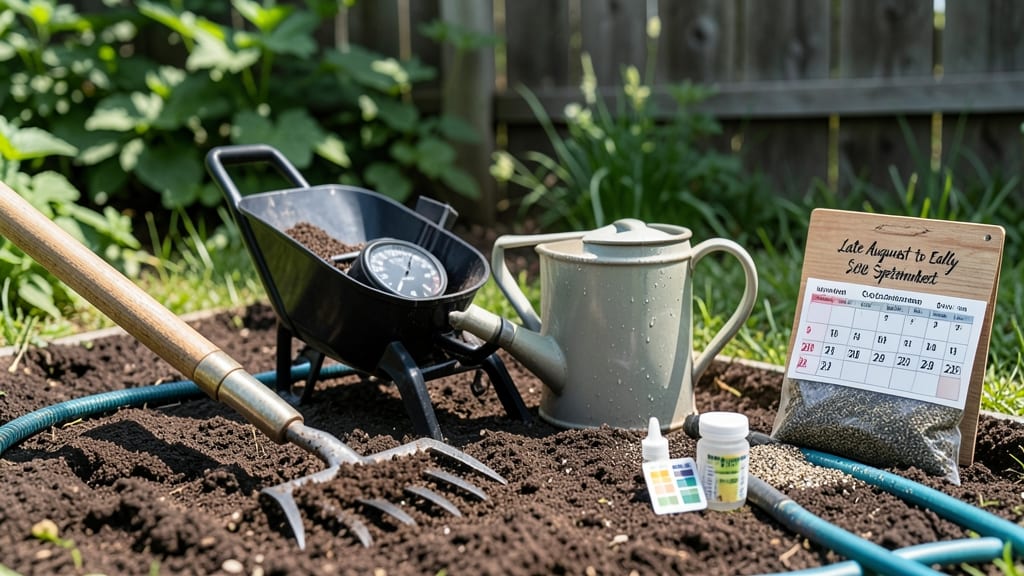
Planting your 🌱 Grass (Turfgrass) seed in Connecticut at the wrong time can mean thin patches, uneven growth, or even complete failure—especially when you're racing against the region's unpredictable frost dates.
The best window isn't just about spring or fall; it's about matching your microclimate's soil temperature and rainfall patterns to give your lawn the fighting chance it deserves.
If you've ever wondered why your neighbor's lawn looks lush while yours struggles, timing is often the missing piece. Connecticut's 5b-6b zones mean coastal areas like Stamford have different deadlines than inland spots near Hartford, and those variations can make or break your seed's success rate.
Let's break down exactly when to plant for your specific corner of the state.
You don't need a PhD in horticulture to get this right—I'll show you how to read your local frost dates, prepare your soil, and choose the perfect seed variety for your yard.
Whether you're seeding in early spring or late fall, these actionable steps will help you avoid common pitfalls and grow a lawn that's the envy of the neighborhood.
The key to a thriving Connecticut lawn starts with understanding your microclimate's unique conditions. From soil temperature thresholds to rainfall trends, we'll cover everything you need to know to plant at the optimal moment—so you can spend less time fixing mistakes and more time enjoying your perfect green space.
Connecticut’s ideal grass planting windows: spring vs fall deadlines by region
Timing your grass seed planting in Connecticut makes all the difference between a lush lawn and wasted seed. Connecticut’s three distinct microclimates—Coastal, Inland, and Northern—each have unique frost patterns and soil conditions.
Cool-season grasses like Kentucky Bluegrass and Fine Fescue dominate here, and they need precise timing to establish strong roots before winter or summer stress sets in.
For most of Connecticut, the ideal soil temperature for planting grass seed ranges between 50°F and 65°F. This window typically falls in early spring (March-April) and early fall (September-October). However, your exact deadline depends on whether you’re near the coast, in the inland valleys, or in the northern hills.
Let’s break it down by region to avoid common mistakes like planting too early (risking frost damage) or too late (missing optimal growth conditions).
🌱 Key Rule: Always plant at least 4-6 weeks before the first expected frost in fall or 2-3 weeks after the last frost in spring. Use your local USDA Plant Hardiness Zone (5b-6b) as a guide, but adjust for your specific microclimate.
⚠️ Warning: Warm-season grasses like Bermuda or Zoysia (less common in CT) should never be planted in spring—they need soil temps above 65°F, which typically arrives in late May or June. Stick to cool-season varieties for Connecticut’s climate.
If you’re in the Coastal region (think Mystic or Stamford), your window is the shortest due to milder winters. Plant grass seed between mid-March and April 15 in spring, or September 1–October 15 in fall.
The coastal breeze keeps soil temperatures cooler longer, so avoid planting after April 15—you risk summer drought stress before roots establish.
For Inland areas like Hartford or Springfield, you’ve got a slightly longer window. Start seeding as early as late March, but don’t push past April 30.
In fall, aim for August 20–September 30 to ensure the grass has 4-6 weeks of growth before the first frost hits in early October. Inland soil warms faster in spring, so you can plant later than coastal areas.
The Northern region (Litchfield, Berkshires) has the latest deadlines due to cooler temperatures. Wait until late April to May 15 in spring, and seed by September 15 in fall.
Northern Connecticut’s shorter growing season means you must act quickly—plant too late, and your grass may not establish before winter dormancy sets in.
Pro tip: Use a soil thermometer to confirm temps are in the 50°F–65°F
How to adjust planting timing for Connecticut’s unpredictable weather patterns
Connecticut’s weather can throw off even the most careful gardener—one day it’s 60°F and sunny, the next a frost warning appears. The key to success isn’t rigidly following calendar dates but adapting to your microclimate.
I’ve planted grass seed in all three Connecticut regions and learned that extending your planting window often means the difference between a thin, patchy lawn and a thick, resilient one.
Start by checking the NOAA’s 30-year frost averages for your area—these are more reliable than your neighbor’s advice. For example, coastal Connecticut (like Mystic) often gets 10-14 days earlier last frost dates than inland Hartford.
Use microclimate maps from the University of Connecticut Extension to pinpoint your exact zone—this will help you adjust planting dates by 1-2 weeks earlier or later.
- 1
- 2
- 3
- 4
- 5
One of my biggest mistakes was planting Kentucky Bluegrass in early April without checking soil temps—it was still 45°F, and the seeds just sat there. Since then, I’ve made it a rule to test soil moisture alongside temperature.
A simple stick test (poke a stick into the soil—if it comes out clean, it’s dry enough; if it sticks, it’s too wet) saves more seed than you’d think.
For fall planting, I’ve found that late September is often safer than early September in inland areas. The soil stays warm enough for root growth but cools just enough to slow weed competition.
In coastal areas, you can push it to mid-October—the ocean’s moderating effect keeps frost at bay longer. Always have a backup plan: if frost is forecast within 3 weeks of planting, cover new seed with straw mulch to insulate it.
Remember: Connecticut’s weather is unpredictable, but with these adjustments, you can turn its quirks into advantages. The goal isn’t perfection—it’s adaptability. Start with your region’s baseline dates, then tweak based on real-time conditions.
Your lawn will thank you with deeper roots and faster establishment—no matter what Mother Nature throws your way. 🌱