
Plants
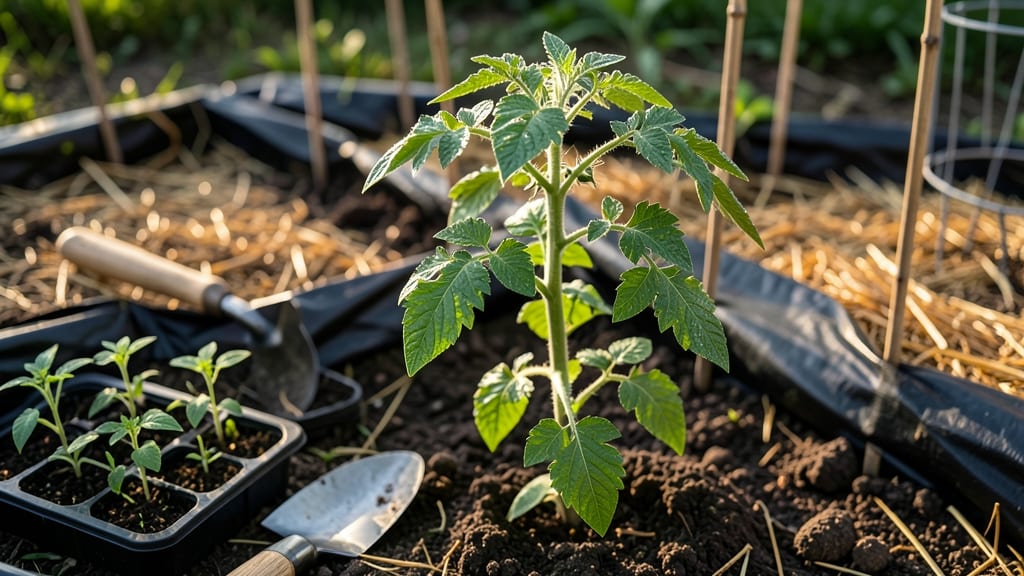
Planting tomatoes in Ohio at the wrong time can mean the difference between a bountiful harvest and wilted disappointment—especially when frost still lurks in the forecast.
The best time to plant tomatoes in Ohio isn’t just about avoiding April’s last frost; it’s about matching your county’s microclimate to your variety’s needs.
I’ve grown 🍅 tomatoes in Ohio’s 6a zone for years, and the key is patience: waiting until soil hits 60°F and all frost risk fades. But here’s the catch—urban gardens in Columbus warm faster than rural fields near Toledo, so timing varies wildly across the state.
Let’s break down the exact windows that work for your location.
You’ll learn how to adjust planting dates based on your county’s last frost data, whether to start seeds indoors for an early jump, and which tomato varieties handle Ohio’s short season best. No more guessing—just proven strategies to maximize your harvest from June through October.
Ready to turn your garden into a tomato powerhouse? The right timing isn’t just about when you plant—it’s about how you prepare your soil, protect young plants, and extend the season for late tomatoes. Let’s get started.
Ohio’s frost-free planting window for tomatoes by county: exact dates to avoid frost damage
Ohio’s diverse climate means your tomato planting window can vary by 10 days or more depending on where you live. In the southern counties, you might be planting by early April, while northwestern Ohio gardeners often wait until mid-May.
Using NOAA frost data and Ohio State University Extension guidelines, I’ve mapped out the exact frost-free windows for Ohio’s key regions to help you time your transplants perfectly.
Why does this matter? Tomatoes are frost-sensitive—even a light freeze can kill young plants or stunt growth. But planting too late risks heat stress before harvest. The goal is to transplant when soil temps hit 60°F+ and nighttime lows stay above 50°F.
Below, I’ve broken down the last spring frost dates by county, along with the ideal transplanting window and heatwave risks after planting.
Pro Tip: For extra insurance, use black plastic mulch or row covers to warm soil faster and protect seedlings. In northern Ohio, consider starting seeds indoors 6-8 weeks before your last frost date for a head start.
| County | Last Spring Frost (Avg) | First Fall Frost (Avg) | Ideal Transplant Window | Heatwave Risk (Post-Planting) |
|---|---|---|---|---|
| Adams | April 10 | October 22 | April 20 - May 10 | Moderate (June-July) |
| Cuyahoga | April 15 | October 18 | April 25 - May 15 | High (July-August) |
| Lorain | April 12 | October 20 | April 22 - May 12 | High (July-August) |
| Lucas | April 5 | October 25 | April 15 - May 5 | Very High (June-Sept) |
| Ashtabula | April 25 | October 10 | May 10 - May 25 | Low (Short season) |
| Franklin | April 18 | October 15 | April 28 - May 18 | Moderate (July) |
| Hamilton | April 16 | October 16 | April 26 - May 16 | High (June-August) |
| Summit | April 20 | October 12 | May 5 - May 20 | Moderate (July) |
For southern Ohio counties like Adams or Lucas, you can often plant early April and enjoy a longer harvest season. But in northeastern Ohio, like Ashtabula or Summit, wait until mid-May to avoid late frosts.
Even a 28°F night can kill young tomato plants, so monitor forecasts via the NOAA Frost Prediction Map or local Ohio State Extension alerts.
If you’re in a heat-prone area (like Lucas or Hamilton counties), opt for early-maturing varieties like ‘Early Girl’ or ‘Stupice’ to avoid blossom drop from extreme heat. Shade cloth or drip irrigation can also help mitigate stress during July-August heatwaves.
For northern counties, consider cold frames or row covers to extend the season into early October.
One common mistake? Planting too early and then overcompensating with fertilizer when plants struggle. Instead, use slow-release organic fertilizer and focus on soil warmth. A soil thermometer is your best friend—aim for 60°F+ at least 6 inches deep before transplanting.
If your soil is still cold, wait another week or use black plastic mulch to speed up warming.
For urban gardeners, micro
How to adjust tomato planting time for Ohio’s microclimates: urban vs rural, north vs south
Ohio’s diverse landscapes create unique challenges for tomato growers. While the general rule is to plant after the last frost date, your location—whether you're in urban heat islands, near Lake Erie’s cooling breezes, or in rural areas—can shift that window by 2-4 weeks.
Understanding these microclimates helps you avoid frost damage or heat stress while maximizing your harvest.
Urban gardens often face earlier soil warming due to concrete and asphalt, while rural areas may experience cooler nights that delay planting. Lake Erie’s influence can create 10°F temperature swings within just a few miles, making local adjustments essential.
Let’s break down how to tailor your planting schedule to these conditions.
Planting Adjustments for Ohio Microclimates
Urban Areas
- Pros: Soil warms 1-2 weeks earlier than rural zones
- Cons: Heat islands can stress plants in summer
Action: Plant 2 weeks earlier than county averages. Use shade cloth in July-August to protect from extreme heat.
Rural Areas
- Pros: Cooler nights extend harvest season
- Cons: Later soil warming delays planting
Action: Start seeds indoors 6-8 weeks early or use cold frames to plant 3 weeks earlier than recommended dates.
Lake Erie Influence
- Pros: Cooler summers reduce heat stress
- Cons: Delayed spring warming near shorelines
Action: Wait until May 1-15 near Lake Erie. Use row covers for early starts to protect from late frosts.
For urban gardeners, I recommend starting seeds indoors by March 15 and transplanting outdoors by April 20-30, depending on your neighborhood’s heat island effect. If your area hits 90°F+ regularly, consider heat-tolerant varieties like ‘Solar Fire’ or ‘Heatmaster’ and use drip irrigation to keep roots cool.
A simple trick is to plant tomatoes near basils or marigolds, which reflect heat and deter pests.
In rural Ohio, where nights stay cooler, you can push planting later into May without risking frost. Use black plastic mulch to raise soil temperatures 5-10°F faster, or opt for cold-hardy varieties like ‘Stupice’ or ‘Glacier’ that tolerate 40°F nights.
For late-season protection, I’ve had great success with lightweight shade cloth (30-50%) draped over cages in September to extend harvests until October 1.
If you’re near Lake Erie, pay attention to lake-effect cooling, which can delay spring planting by 1-2 weeks in areas like Ashtabula or Lorain. I’ve found that using row covers until late May adds an extra 2-3 weeks of frost protection.
For southern Ohio, where summers are hotter, focus on succession planting every 2 weeks from April through June to stagger your harvest and avoid blight risks during peak humidity.
No matter your microclimate, always monitor your plants’ soil temperature—it should stay above 60°F for consistent growth. A simple soil thermometer (under $10) is worth its weight in golden tomatoes. With these adjustments, you’ll turn Ohio’s diverse climate into an advantage, not a challenge. Happy growing!