
Planting
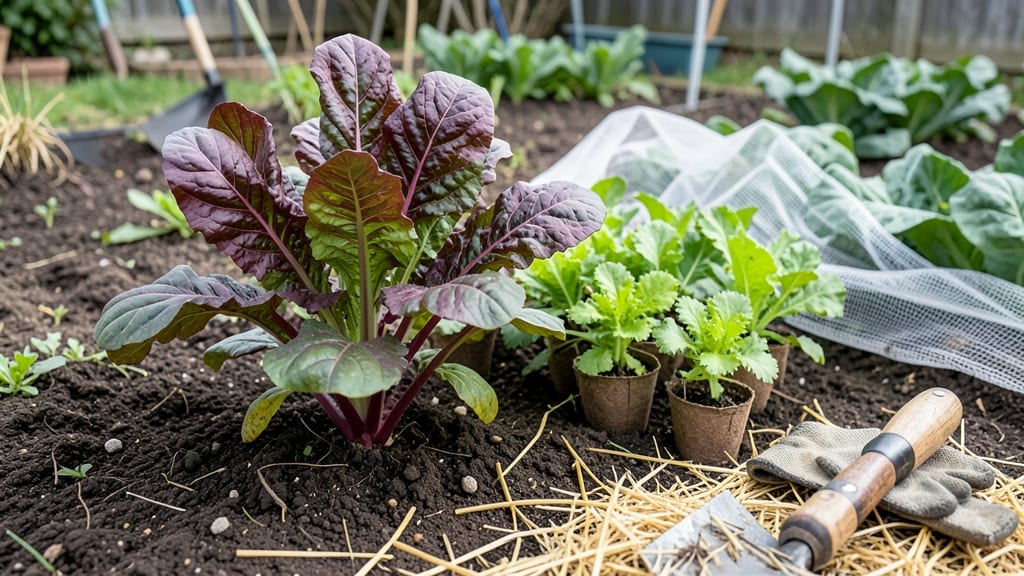
Planting a winter garden in Florida isn’t just possible—it’s your chance to grow fresh 🥬 Winter Vegetables (General) when most gardeners are hibernating. Unlike colder climates, Florida’s 8a-11 zones let you skip frost entirely, but timing is everything.
Skip the window by even a week, and you’ll battle heat stress or pests instead of enjoying crisp greens and sweet roots. The key? Starting in September for North Florida or October for Central/South—when soil cools below 85°F—sets you up for a harvest from November to April.
I’ll break down the exact planting calendar for your heat zone, plus pro tips to outsmart Florida’s unpredictable humidity and occasional cold snaps. No guesswork—just a foolproof plan for zero-frost success.
Ready to turn your garden into a winter harvest goldmine? Let’s get started with the perfect planting schedule for your region.
Florida’s winter planting calendar by heat zone: exact dates for zero-frost crops
Florida’s 10 heat zones (8A-10A) create microclimates where winter gardening thrives—if you plant at the right time. Unlike northern states, Florida rarely sees frost, but soil temperatures and day length dictate the perfect window.
Missing these dates by even 2 weeks can lead to leggy plants or pest infestations. Here’s your zone-by-zone guide to planting leafy greens, brassicas, root vegetables, and herbs for a bountiful harvest.
Zone 8A (North Florida, e.g., Jacksonville, Gainesville) has cooler winters, while Zone 10A (South Florida, e.g., Miami, Key West) stays warm year-round. Adjust your planting schedule based on your zone to avoid bolting (premature flowering) or slow growth from inconsistent temperatures. For example, lettuce in Zone 8A should go in by mid-October, while in Zone 10A, you can plant until mid-November without risking frost.
Below is your exact planting calendar, including direct sowing (seeds) and transplanting (seedlings) windows. I’ve also included soil temperature thresholds—critical for seed germination and root development.
For instance, carrots need soil at 60°F+, while kale thrives in cooler 50-65°F ranges. Use a soil thermometer to check before planting.
Leafy greens like lettuce and spinach are the easiest to grow in Florida’s winter, but they bolt quickly in Zone 10A if planted too early. Start transplants in late October (Zone 8A) or early November (Zone 10A) for a January-April harvest. For brassicas (kale, broccoli, cabbage), transplant seedlings in September-October—they handle cooler temps better than seeds. In Zone 8A, aim for broccoli by mid-September; in Zone 10A, you can stretch it to early November.
Root vegetables like carrots and radishes need loose, well-draining soil to avoid forking (split roots). Direct-sow seeds in October-November (Zones 8A-9A) or
Top 12 winter crops for Florida gardens: growth times and planting tips
Florida’s winter season offers gardeners a golden opportunity to grow crisp, fresh vegetables without frost worries. The key to success lies in selecting the right crops and timing your planting perfectly.
Unlike northern climates, Florida’s mild winters allow for continuous harvests if you choose fast-growing varieties and avoid common pitfalls like bolting or pest infestations. I’ve tested these top 12 crops in my own Florida garden—here’s what works best.
For maximum productivity, focus on leafy greens, root vegetables, and cool-season brassicas that thrive in Florida’s 60-75°F winter temperatures. These crops mature quickly, often in 30-60 days, giving you multiple harvests before spring heat sets in.
The secret? Planting at the optimal window when soil temperatures drop below 85°F and using shade cloth for summer transitions.
- 1 Late August - Early September: Start radishes and turnips (25-30 days to harvest) for quick wins. Use shade cloth if planting early.
- 2 Mid-September: Sow lettuce and spinach (30-45 days) and transplant broccoli and cabbage (60-75 days). North Florida: use row covers for extra protection.
- 3 October: Plant carrots and beets (50-60 days) in loose, well-drained soil. Avoid compacted areas to prevent forked roots. Succession plant every 2 weeks for continuous harvests.
- 4 November: Add kale and collard greens (50-60 days), which sweeten in cold weather. Use mulch to retain moisture and protect from whiteflies.
- 5 December - January: Sow peas (60-70 days) and fava beans (70-80 days). These nitrogen-fixers improve soil health. Stake or trellis to save space.
- 6 February: Final succession planting of radishes and lettuce (30-40 days). Monitor for aphids and treat with neem oil if needed.
My top pro tip? Succession planting is non-negotiable in Florida’s winter garden. For example, I plant radishes every 2 weeks from September to February—this ensures a steady supply without overwhelming my harvest at once.
Similarly, lettuce and spinach bolt quickly in Florida’s warm winters, so I opt for heat-tolerant varieties like Black Seeded Simpson lettuce or Tyee spinach.
Watch out for pest pressure, especially aphids and whiteflies, which thrive in Florida’s mild winters. I’ve found that row covers and neem oil sprays work best for prevention.
Additionally, drip irrigation keeps foliage dry, reducing fungal diseases like downy mildew on leafy greens. Always harvest in the morning when crops are crispest and pests are least active.
For root vegetables like carrots and beets, focus on loose, stone-free soil. I amend my beds with compost and sand to prevent forked roots—a common issue in Florida’s heavy clay soils.
If you’re new to winter gardening, start with fast-growing crops like radishes or turnips to build confidence before tackling longer-season crops like broccoli or cabbage.
With these 12 winter crops and precise timing, you’ll enjoy a bountiful harvest from November through April—proof that Florida’s winters are perfect for gardening when you know the secrets! 🌱