
Plants
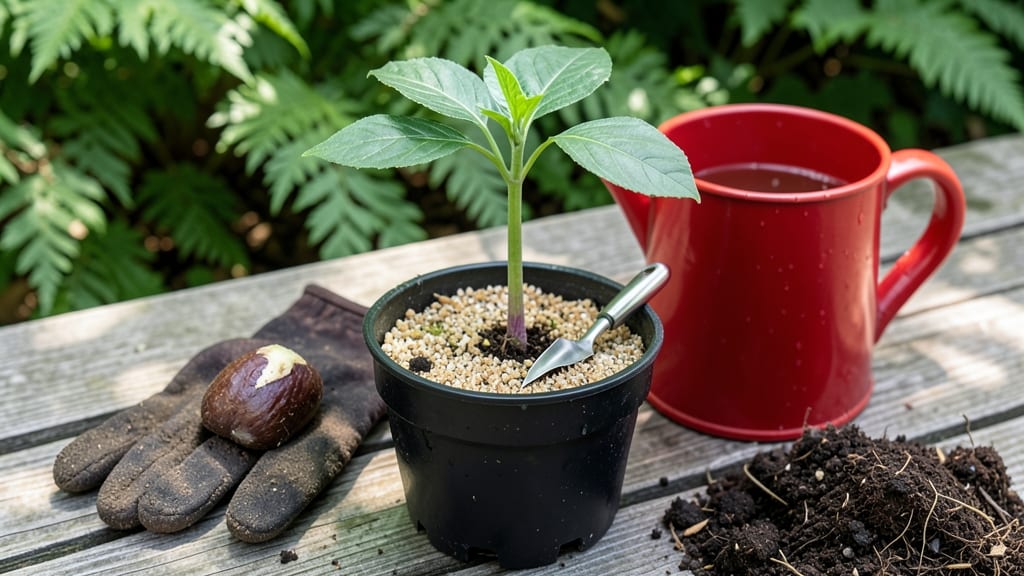
Planting an avocado seed in dirt at the wrong time can mean the difference between a thriving 🥑 sapling and a sad, rotting seed. The best window for starting your avocado tree in soil isn't just about the calendar—it's about temperature, humidity, and whether you're nurturing it indoors or outdoors.
In Zone 6, where most home gardeners live, the ideal time to plant avocado seeds in dirt is after the last frost—typically March to April. But here's the catch: seeds planted too early in cool soil may never sprout, while waiting too late risks slower growth.
The secret lies in balancing warmth and moisture for that first critical root development.
You might be wondering whether to start your seed in water first or jump straight to soil. While many gardeners swear by the water method to speed up germination, transitioning to dirt too soon can shock delicate roots.
I'll show you exactly when to make that move—and how to give your seed the best shot at becoming a fast-growing tree.
Whether you're a patient gardener or eager to see those first leaves, timing is everything. Let's break down the science so you can plant your avocado seed at the perfect moment for the fastest, healthiest sprouts possible.
Best time of year to plant avocado seeds in soil for fast germination
Timing your avocado seed planting is the secret to fast germination. These tropical seeds thrive in warm soil between 65°F and 85°F. Planting too early risks rot, while waiting too long slows root development.
Understanding your climate zone and hemisphere is key to unlocking 2-4 week sprouts instead of months of waiting.
In the Northern Hemisphere, aim for late spring to early summer (May-June) when soil temperatures consistently stay above 70°F. Southern Hemisphere gardeners should plant in late fall to early winter (March-April) to match their summer heat.
Indoor starters can begin anytime year-round with a heat mat, but outdoor planting must align with your local frost dates.
Avocado seeds are sensitive to cold soil—below 60°F halts germination. Use a soil thermometer to check depth (1 inch down). If temps dip, delay planting or use a greenhouse setup to maintain warmth. This precision prevents the 6-month+ germination delays many gardeners face.
Indoor planting offers flexibility: start seeds 4-6 weeks before your ideal outdoor window. Place pots near a south-facing window or under grow lights (12+ hours/day) to simulate summer conditions. For outdoor planting, wait until all frost risk passes and nights stay above 55°F.
Seasonal shifts dramatically affect root development. Planting in early spring (before soil warms) often results in weak roots and stunted growth. The 4-6 week window after your last frost date is ideal because it aligns with consistent warmth and longer daylight hours—both critical for avocado seedling vigor.
For Northern Hemisphere gardeners in cooler zones (6-7), start seeds indoors in March using a heat mat to maintain 75°F soil temps. Transplant outdoors only after Memorial Day when nighttime temps stay above 55°F.
Southern Hemisphere gardeners should plant late fall to take advantage of spring warmth without summer heat stress.
Watch for seasonal cues like blooming dogwood trees (sign of
Step-by-step guide: when and how to transplant avocado seeds from water to dirt
Transplanting your avocado seed from water to dirt is a critical step—do it too soon, and delicate roots will break; wait too long, and your seedling risks shock. The key is watching for root length and leaf development.
When roots reach 2-3 inches and you spot the first true leaves (not just the initial sprout), it’s time to move your seedling to soil.
Most gardeners start seeds in water to speed up germination, but soil provides the nutrients and structure roots need to thrive. I recommend using a well-draining potting mix—avoid garden soil, which can compact and suffocate roots.
Mix in perlite or vermiculite (20%) to improve aeration, and consider adding a slow-release fertilizer for early growth.
Before transplanting, prepare your seedling by gently removing it from water and inspecting the roots. Healthy roots should be white or light tan and firm to the touch. If you see black or mushy roots, your seedling has been overwatered and may not survive the transition.
🌱 Step-by-Step: Transplanting Avocado Seedlings to Dirt
- Step 1: Wait until roots are 2-3 inches long and 1-2 true leaves appear.
- Step 2: Fill a 4-6 inch pot with well-draining soil mix (60% potting soil, 20% perlite, 20% compost).
- Step 3: Create a small hole in the center and gently place the seedling, ensuring the root base is covered but leaves stay above soil.
- Step 4: Lightly press soil around the roots and water until it’s evenly moist (not soggy).
- Step 5: Place in bright, indirect light (avoid direct sun for 1 week to prevent stress).
After transplanting, keep your seedling in bright, indirect light for the first week to reduce shock. Water when the top inch of soil feels dry, but avoid overwatering—yellowing leaves are a sign of too much moisture.
Once established, move it to a sunny window or grow light for 6+ hours daily.
A common mistake is rushing the transplant. If your seedling struggles, it may be due to root damage or poor soil drainage. To prevent this, always use a pot with drainage holes and avoid compacting soil too tightly around roots.
Patience is key—your avocado tree will thank you with stronger growth!
With the right timing and care, your seedling will thrive in soil and grow into a healthy avocado tree. Keep an eye on those leaves, and soon you’ll be watching your tiny sapling reach for the sky! 🌳