
Plants
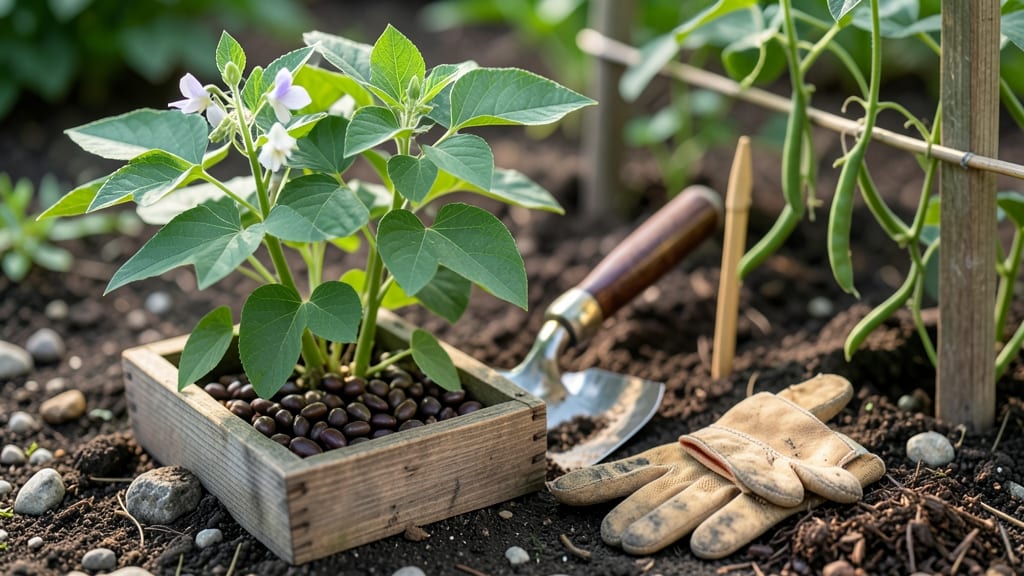
Planting beans in New Jersey isn't just about grabbing seeds and sticking them in the ground—timing is everything, and missing the window means frost or lost harvests.
Whether you're growing bush beans or pole beans, knowing when to plant can mean the difference between a bountiful garden and a disappointing one.
With New Jersey's 6a-7b climate, your best bet is to start planting after the last frost, typically around April 15 for most counties. But here's the catch: North Jersey and South Jersey have slightly different frost dates, and soil temperature matters just as much as the calendar.
I'll break down the exact planting windows for your region so you can avoid common mistakes and maximize your yields.
You might think beans are low-maintenance, but they're picky about timing—plant too early, and frost will nip them in the bud; too late, and you'll miss peak harvest season. The good news? With the right approach, you can also plant a second crop in late summer for a fall harvest.
Let's dive into the specifics so you can grow beans like a pro, no matter where you garden in NJ.
From soil temperature thresholds to county-specific frost-free deadlines, I'll cover everything you need to know to get your beans off to the best start. Plus, I'll share tips for adjusting planting times based on your microclimate—whether you're in urban Jersey City or rural Cumberland County.
Ready to grow the best beans in your NJ garden?
NJ county-by-county bean planting deadlines: frost-free dates for maximum yields
Timing your bean planting in New Jersey is critical—miss the frost-free window, and you risk stunted growth or total crop loss. The last average frost dates vary by county, with North Jersey facing earlier risks than South Jersey.
I’ve broken down the exact planting deadlines for bush beans, pole beans, and snap peas, plus soil temperature thresholds to ensure success.
For North Jersey counties like Bergen and Essex, the last frost date typically falls around April 20-25. In Central NJ (Mercer, Middlesex), you’ve got a slightly longer window, with frost usually passing by April 15-20.
Meanwhile, South Jersey (Cumberland, Atlantic) enjoys the latest frost-free dates, often by April 5-10, giving you an earlier start. Always wait until soil temperatures hit 60°F+—a must for healthy germination.
Here’s your county-by-county planting guide, including ideal spring planting windows and fall replanting opportunities before the first frost in late October. Use this to align your bush bean, pole bean, and snap pea schedules for maximum yields.
| County | Last Frost Date | Spring Planting Window | Fall Planting Window | Soil Temp Threshold | Best Varieties |
|---|---|---|---|---|---|
| Bergen (NJ) | April 20-25 | May 1 - May 15 | August 15 - September 1 | 60°F+ | Blue Lake, Provider |
| Essex (NJ) | April 18-23 | April 25 - May 10 | August 10 - August 25 | 60°F+ | Kentucky Wonder, Contender |
| Mercer (NJ) | April 15-20 | April 10 - April 25 | August 5 - August 20 | 60°F+ | Roma II, Tendergreen |
| Middlesex (NJ) | April 12-17 | April 5 - April 20 | July 30 - August 15 | 60°F+ | Blue Lake, Golden Wax |
| Cumberland (NJ) | April 5-10 | March 25 - April 10 | July 20 - August 5 | 60°F+ | Sugar Ann, Maxibounce |
| Atlantic (NJ) | April 3-8 | March 20 - March 31 | July 15 - July 30 | 60°
How to adjust bean planting times for NJ’s microclimates and soil conditionsNew Jersey’s diverse microclimates and soil types can shift your bean planting schedule by weeks. Urban gardens in North Jersey often face cooler soils longer than rural areas in South Jersey, while sandy soils warm faster than clay-heavy soil. Understanding these factors helps you avoid frost damage or stunted growth. For raised beds, soil warms 2-3 weeks earlier than in-ground plots, giving you a head start. If your garden sits in a low-lying area or near water, frost lingers longer—wait until May 15 instead of the usual April 20 deadline. Row covers can push your planting window back by 3-4 weeks, but remove them once flowers appear to prevent heat stress.
1
Soil Temperature Rule: Plant when soil reaches 60°F at 2-inch depth. Use a soil thermometer—NJ’s sandy soils hit this 1-2 weeks earlier than clay soils.
2
Urban Garden Hack: Use black plastic mulch to warm soil 5-7°F faster. Ideal for balcony gardens or small spaces with limited sunlight.
3
Row Cover Trick: Extend spring planting by 3-4 weeks with floating row covers. Remove at first bloom to prevent pollination issues.
4
Fall Planting Window: Sow second crops by August 15 in South Jersey (longer growing season) or September 1 in North Jersey for fall harvests.
If your garden has clay soil, amend it with compost or sand to improve drainage—beans hate waterlogged roots. For sandy soil, mix in organic matter to retain moisture. Pole beans thrive in loose soil, while bush beans tolerate denser mixes better. Test your soil’s pH (6.0-7.0)—beans prefer slightly acidic to neutral conditions. For fall harvests, prioritize fast-maturing varieties like 'Blue Lake' (50 days) or 'Kentucky Wonder' (60 days). Start seeds indoors 6-8 weeks before your target outdoor date, then transplant after Labor Day. Use drip irrigation to keep soil moist without overwatering—beans need 1-2 inches of water weekly but hate soggy feet. Pro tip: Monitor NJ State Climate Office forecasts for unexpected late frosts. If frost threatens, cover plants with lightweight blankets or frost cloth at night. With these adjustments, you’ll maximize your bean harvest window from July to October, even in NJ’s unpredictable climate. Remember, patience pays off—rushing planting times leads to bolting or poor yields. Stick to these microclimate tweaks, and you’ll enjoy homegrown beans all season long! 🌱 |