
Plants
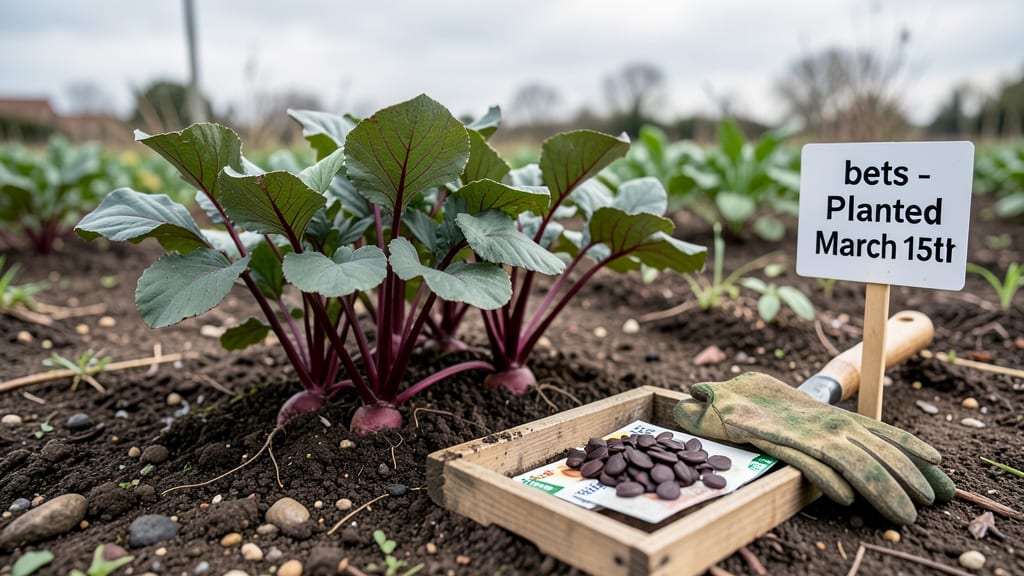
Planting beets in Connecticut at the wrong time can mean the difference between a bountiful harvest and wasted effort. With USDA Zone 6a frost dates that fluctuate wildly, timing is everything for these cool-season 🍠 favorites.
Whether you're aiming for tender spring greens or sweet fall roots, getting the schedule right ensures your garden thrives—not just survives.
The key to success lies in Connecticut's unpredictable climate, where last frosts can linger into mid-April while first frosts arrive as early as mid-October. Unlike heat-loving crops, beets actually prefer cooler temperatures, making early spring and late summer the ideal planting windows.
But don't wait too long—planting too late in spring risks bolting, while fall plantings need to establish roots before winter sets in.
What makes this even trickier is Connecticut's regional variations—coastal areas warm faster than inland zones, and urban gardens often face microclimates that can throw off traditional planting guides.
The good news? With the right adjustments, you can extend your harvest season through succession planting, ensuring fresh beets from June through November.
I'll walk you through the exact frost-free timelines for Connecticut's three main regions, soil temperature tips, and how to adapt for your specific location—whether you're in Hartford's urban gardens or Litchfield Hills' rural farms. Let's get those beets growing on schedule!
Connecticut beet planting calendar by region: frost dates & best months
Beets thrive in Connecticut’s cool climate, but getting the timing right is everything. Since the state spans three distinct regions with varying frost dates, your planting window can shift by weeks. Coastal areas like New Haven enjoy earlier springs, while inland regions like Torrington face later last frosts.
Let’s break down the exact months to plant for spring and fall harvests in each zone.
As a cool-season crop, beets tolerate light frosts but won’t survive hard freezes. Seedlings need soil temperatures of at least 45°F (7°C) to germinate, while mature plants handle down to 25°F (-4°C).
This means your planting strategy must balance early starts with frost protection and late-season extensions with harvest timing.
| Region | Last Frost Date | First Frost Date | Spring Planting Window | Fall Planting Window | Soil Temp for Germination |
|---|---|---|---|---|---|
| Coastal (New Haven, Stamford) | April 10 | October 20 | March 15 - April 15 | July 15 - August 15 | 45°F+ (7°C+) |
| Western (Hartford, Bridgeport) | April 15 | October 15 | March 20 - April 20 | July 1 - August 10 | 45°F+ (7°C+) |
| Northern (Torrington, Waterbury) | April 25 | October 5 | April 1 - April 30 | June 25 - July 31 | 45°F+ (7°C+) |
For spring planting, start seeds indoors 4-6 weeks before your region’s last frost date. Coastal gardeners can begin as early as mid-March, while northern growers should wait until early April.
Direct-sow outdoors when soil reaches 50°F (10°C)—use a soil thermometer to check. In colder regions, opt for cold-hardy varieties like 'Detroit Dark Red' or 'Golden'.
Fall planting offers a second harvest window. Sow seeds 8-10 weeks before your first frost, aiming for late July in coastal areas and late June in northern zones.
Beets mature quickly—most varieties reach harvest in 50-60 days, so time your fall crop to finish before hard frosts. Use row covers to extend the season if needed.
Pro tip: Plant beets in succession every 2 weeks during your region’s planting window. This ensures a steady supply of fresh roots. For example, in coastal CT, sow seeds on March 15, March 30, April 15, and April 30 for continuous harvests.
In northern CT, stagger plantings on April 1, April 15, April 30.
Watch for soil temperature fluctuations, especially in spring. If nights stay below 50°F (10°C), delay planting until daytime highs consistently reach 60°F (15°C). Cold soil slows germination and can lead to uneven seedlings. Always plant in well-draining soil with a pH of 6.0-7.0 for best results.
Finally, consider season extension tools like cold frames or low tunnels. These can push your planting window 2-3 weeks earlier in spring or 3-4 weeks later in fall, giving you more flexibility. Just ensure good airflow to prevent disease when using covers.
With these regional guidelines, you’ll avoid the common mistakes of planting too early (frost damage) or too late (missed harvests). Happy growing—your homegrown beets will thank you!
How to adjust beet planting for Connecticut’s microclimates: tips for urban vs rural gardens
Connecticut’s diverse landscapes—from New Haven’s coastal warmth to Torrington’s high-altitude chill—create unique challenges for beet growers. Urban gardens face heat island effects and limited space, while rural farms can extend seasons with cooler nights.
High-altitude areas like Litchfield County often have earlier frosts, requiring strategic adjustments to your planting schedule.
For city gardens, start seeds indoors 4-6 weeks before your last frost date (typically early March) to give seedlings a head start against pavement-generated heat. In rural areas, take advantage of cooler microclimates by planting 2-3 weeks earlier than coastal zones.
High-altitude regions should delay planting until soil reaches 50°F—usually mid-April—to avoid frost damage.
🌱 Urban vs Rural Beet Planting Adjustments
Urban Gardens
- Pro: Start seeds indoors March 1 for earlier harvests
- Pro: Use containers for space efficiency
- Con: Heat stress requires afternoon shade
- Con: Limited soil needs compost amendments
Rural Gardens
- Pro: Longer growing season with cooler nights
- Pro: Direct sow 2 weeks earlier than city areas
- Con: Soil compaction may require tilling
- Con: Pest pressure higher in fertile soils
High-Altitude Tip: In Torrington (Zone 5b), wait until May 1 for outdoor planting to avoid late frosts.
To maximize harvests, implement succession planting every 2-3 weeks from April through July. In urban containers, plant 1-2 seeds per pot and thin aggressively. Rural gardeners can dedicate entire beds to beets and interplant with lettuce or radishes to optimize space.
For fall crops, start seeds July 15-August 1 in all regions, with high-altitude areas benefiting from earlier planting due to cooler soils.
Monitor soil temperatures closely—beets thrive in 55-75°F ranges. Use a soil thermometer in urban areas where pavement radiates heat. In rural settings, mulch heavily to maintain even soil temps. For high-altitude gardens, extend seasons with row covers or cold frames for early spring/fall plantings.
Adjust watering based on your microclimate: urban areas need daily watering during heatwaves, while rural gardens may only require weekly deep waterings. High-altitude regions benefit from morning watering to prevent evening frost damage. Always water at soil level to avoid wetting foliage and reducing disease risk.
With these adjustments, you’ll transform Connecticut’s diverse climates into productive beet-growing zones. Start small with 1-2 varieties like Detroit Dark Red (urban) or Golden (rural), then expand based on your success. The key is observation—watch your plants and adjust timing as needed each season. 🌱