
Plants
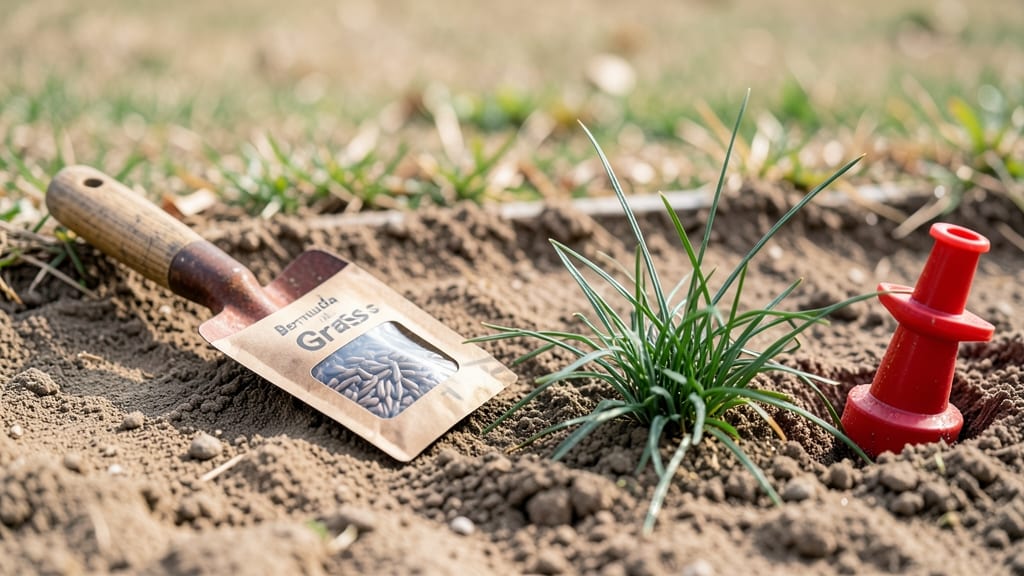
Planting Bermuda seed in Oklahoma isn't just about timing—it's about surviving the state's brutal heat and unpredictable springs. If you wait too long, you risk weak germination; plant too early, and frost will wipe out your efforts.
The key is knowing when soil temperatures hit that sweet spot—75-85°F—which usually means late April to mid-May for most of the state.
Oklahoma's 6b-8a zones add another layer of complexity, with northern regions needing to wait longer than southern areas. Urban heat islands in cities like Oklahoma City can push soil temps up faster, while rural areas might lag behind.
I’ll break down exactly when to plant based on your specific location, so you can avoid common mistakes that leave lawns patchy or stunted.
Beyond timing, soil prep is everything. Bermuda grass demands well-drained, fertile soil with a pH between 6.0 and 7.0—but Oklahoma’s clay-heavy soils often need pre-treatment to prevent seed rot.
I’ll walk you through the steps to get your lawn off to the best start, including when to apply pre-emergent herbicides and how deep to till without damaging seeds.
Ready to transform your yard into a drought-resistant Bermuda carpet? Let’s dive into the exact strategies that work in Oklahoma’s climate—no guesswork, just results. Your lawn’s future depends on getting this right.
Optimal soil temperature and heat zone guidelines for planting Bermuda seed in Oklahoma
Oklahoma’s diverse climate—spanning USDA heat zones 7b to 8a—creates unique challenges for Bermuda grass seed planting. Unlike cool-season grasses, Bermuda thrives in heat and drought, but timing your planting to match soil temperatures and regional microclimates is key to avoiding wasted seeds or stunted growth.
In northern Oklahoma (zones 7b), cooler springs delay planting, while southern regions (zones 8a) can start earlier due to warmer soils.
Bermuda seed requires soil temperatures between 75°F and 85°F for optimal germination. Cold soil slows growth, while temperatures above 90°F can cause seed dormancy. Oklahoma’s unpredictable spring weather—with late frosts in northern counties and early heat waves in the south—means you’ll need to monitor soil temps closely.
A soil thermometer is your best tool for precision planting.
Here’s how Oklahoma’s heat zones and elevation affect your planting window:
| Region | Heat Zone | Ideal Soil Temp | Planting Window | Microclimate Notes |
|---|---|---|---|---|
| Northern OK (Oklahoma City, Tulsa) | 7b | 75–80°F | Late April – Mid-May | Wait for consistent soil temps; urban areas warm faster |
| Central OK (Stillwater, Norman) | 8a | 75–85°F | Mid-April – Early May | Higher elevation areas (e.g., Wichita Mountains) delay planting by 1–2 weeks |
| Southern OK (Lawton, Altus) | 8a | 75–85°F | Early April – Late April | Urban heat islands (e.g., Oklahoma City suburbs) may allow earlier planting |
In northern Oklahoma (zone 7b), aim for late April to mid-May when soil temperatures stabilize above 75°F. Use a soil thermometer to confirm—early planting in cold soil leads to poor germination.
For example, in Tulsa, average soil temps hit 75°F around April 25, but urban areas like Broken Arrow may reach this threshold 3–5 days earlier due to urban heat islands.
Southern Oklahoma’s zone 8a allows for earlier planting, typically starting in early April. However, avoid planting too soon—soil temps below 70°F can cause seed rot.
In Lawton, for instance, April 1–15 is ideal, but monitor for sudden cold snaps, especially at higher elevations like Comanche County, where planting may need to wait until mid-April.
Elevation plays a critical role: every 1,000 feet gain in elevation drops soil temps by 3–5°F. If you’re planting in the Wichita Mountains (elevation 1,200–1,800 ft), delay planting by 1–2 weeks compared to nearby lowland areas.
Similarly, urban heat islands in Oklahoma City can create microclimates where soil warms 5–10°F faster than rural areas, allowing earlier planting.
Pro tip: Check the Oklahoma Mesonet for real-time soil temperature data. Their soil temperature maps provide hyper-local insights, helping you adjust planting dates based on your specific location.
For example, if Mesonet shows your area’s soil temp at 70°F in early April, wait until it reaches 75°F—even if your neighbor in a lower-elevation zone starts planting.
Once your soil hits the ideal 75–85°F range, act fast. Bermuda seed germinates quickly in warm conditions, but it also dries out fast. Plant within 24 hours of achieving optimal soil temps to maximize germination rates.
Water lightly after planting to settle seeds into the soil, but avoid overwatering, which can wash seeds away or cause rot.
Remember: Bermuda grass is drought-tolerant once established, but seedlings need consistent moisture to root deeply. In Oklahoma’s variable climate, this means balancing watering with the risk of sudden storms or heatwaves.
Start with daily light watering for the first week, then taper to deep watering 2–3 times per week as the grass matures.
By aligning your planting with Oklahoma’s heat zones and soil temperature guidelines, you’ll give your Bermuda grass the best start—leading to a thick, resilient lawn that thrives in the state’s intense summers. 🌱
How to prepare Oklahoma soil for Bermuda seed planting: pre-treatment steps
Before you even consider planting Bermuda seed in Oklahoma, your soil needs to be in peak condition. This isn’t just about throwing seeds into the ground—it’s about creating the perfect environment for rapid germination and strong root development.
Oklahoma’s clay-heavy soils often compact easily, which can suffocate seeds and prevent proper seed-to-soil contact. The key is to loosen the soil just enough to encourage root penetration without disturbing the seeds once they’re planted.
Start by testing your soil’s pH level, which should fall between 6.0 and 7.0 for optimal Bermuda grass growth. If your soil is too acidic or alkaline, you’ll need to amend it with lime (to raise pH) or sulfur (to lower pH).
I recommend using a soil test kit from your local cooperative extension office—they often provide free or low-cost testing and tailored recommendations for Oklahoma’s unique soil conditions.
Herbicide application is another critical pre-treatment step. If you’re dealing with weeds, apply a pre-emergent herbicide 2-4 weeks before planting. This gives you time to kill existing weeds while preventing new ones from sprouting and competing with your Bermuda seedlings.
Just be sure to choose a product labeled safe for grass seed—some herbicides can linger in the soil and harm young plants.
Step-by-Step Soil Prep for Bermuda Seed Planting
- Test Soil pH: Use a kit to check pH—aim for 6.0-7.0. Adjust with lime or sulfur if needed.
- Apply Pre-Emergent Herbicide: Treat 2-4 weeks before planting to eliminate weeds without harming seeds.
- Tillage Depth: Loosen soil to a maximum of 1/4 inch—deeper tillage can bury seeds too deeply.
- Add Organic Matter: Mix in compost or peat moss to improve drainage and fertility.
- Level the Soil: Rake to create a smooth surface for even seed distribution and contact.
- Lightly Compact: Use a lawn roller to ensure seeds make firm contact with the soil.
Once your soil is prepped, the next step is tillage—but don’t go overboard. Bermuda seeds are tiny and need to be just barely covered, so till to a maximum depth of 1/4 inch. Deeper tillage can bury seeds too deeply, reducing germination rates.
After tilling, mix in organic matter like compost or peat moss to improve soil structure and fertility. This is especially important in Oklahoma, where clay soils can become compacted and waterlogged.
Finally, level the soil with a rake to create a smooth surface for planting. Uneven areas can lead to poor seed-to-soil contact, which is a common reason for patchy germination. Once everything is in place, you’re ready to plant your Bermuda seed.
Just remember: patience is key—keep the soil consistently moist (but not soggy) for the first 2-3 weeks to encourage strong root development.
With these pre-treatment steps, you’ll give your Bermuda grass the best possible start in Oklahoma’s challenging climate. The extra effort now will pay off with a thicker, greener lawn that can handle the state’s heat and drought conditions like a pro. 🌱