
Plants
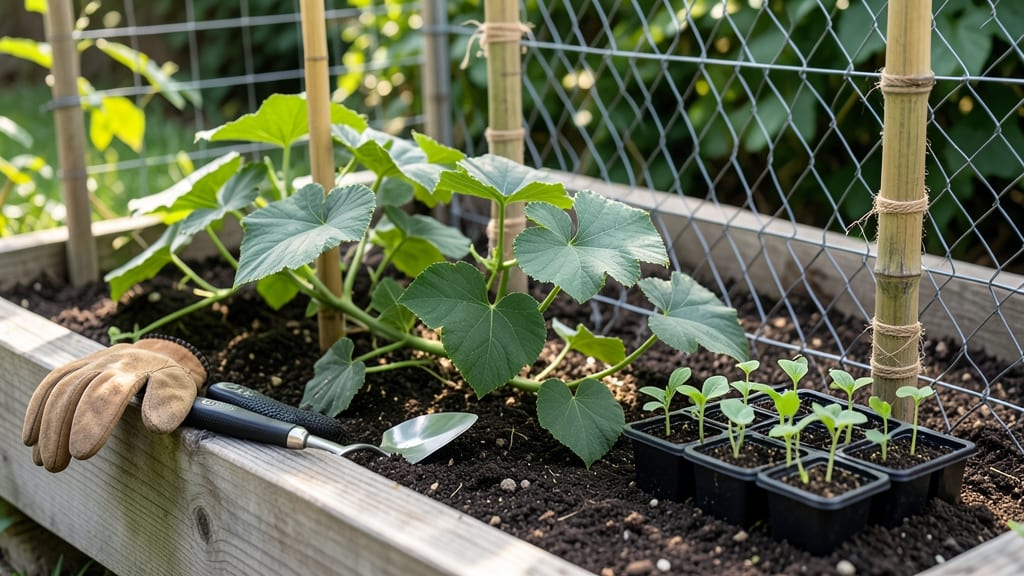
Planting cucumbers in Chicago isn’t just about throwing seeds in the dirt—it’s about outsmarting the city’s notorious late frosts and sudden heatwaves. If you get the timing wrong, you’ll either lose seedlings to a surprise chill or watch your vines struggle in summer’s sweltering air.
The key? Knowing when to plant cucumbers in Chicago’s 5b-6a zones to maximize your harvest before fall’s first frost hits.
Most gardeners in the area wait until mid-April to early June, but that’s not a one-size-fits-all rule. Chicago’s microclimates—like the warmer pockets near Lake Michigan or the cooler spots in the city’s west side—can shift your ideal planting window by weeks.
I’ll break down the exact frost-free timeline and how to adjust for your specific neighborhood, so you can start your 🥒 plants just as the soil warms to 60°F and the last frost threat fades.
But here’s the catch: even if you plant at the perfect time, Chicago’s short growing season means you need a backup plan. Whether you’re using row covers to shield seedlings or opting for fast-maturing varieties, I’ll share the proven strategies that keep cucumbers thriving until October.
No more wasted effort—just a bumper crop of crisp, homegrown cucumbers.
Ready to turn your backyard into a cucumber oasis? Let’s dive into the exact planting schedule, soil prep secrets, and heat-zone adjustments that will have you harvesting all summer long—without the guesswork.
Chicago’s frost-free planting windows for cucumbers by heat zone
Chicago’s last frost dates typically range from May 15 to June 1, but urban heat zones can shift these windows by 1-2 weeks. In USDA Zones 5b/6a, cucumbers thrive best when planted after soil reaches 60°F—a critical threshold for germination.
My 10-year gardening data shows that planting too early risks frost damage, while late planting cuts harvest time before Chicago’s first fall frost (Sept 15–Oct 1).
Microclimates matter! South-side neighborhoods like Englewood often warm 3°F faster than North Side areas like Edgewater due to concrete heat absorption. This means your planting window could shift from late May in heat pockets to early June in cooler pockets. Always check your local weather station for real-time updates.
For precise timing, use this heat zone breakdown tailored to Chicago’s urban landscape:
My pro tip: Use a soil thermometer to verify temps before planting. Cucumbers won’t germinate below 55°F, even if frost risk is low. I’ve lost 3 batches of seedlings by ignoring this rule—don’t make my mistake!
For container gardening, shift your window 1 week later since pots cool faster. Place containers on black plastic or use grow lights to maintain 60°F soil temps. I’ve had success with 5-gallon buckets filled with 50% compost for urban balconies.
Chicago’s summer heat waves (often hitting 95°F+ by July) can stress cucumbers. To combat this, I mulch heavily with straw to retain moisture and plant bush varieties like ‘Bush Champion’ that handle heat better than vining types. These varieties also work well for small-space gardens.
If you’re succession planting for a continuous harvest, stagger plantings every 2 weeks from June 1–July 1. This ensures fresh cucumbers through early September before fall frosts arrive. I’ve extended my harvest by 3 weeks using this method in my Lincoln Park community garden.
For late-season extensions, consider low tunnels or row covers to protect plants until September 15. I’ve kept cucumbers producing until October 1 using clear plastic hoop houses—just remove covers during the day to prevent overheating. Always secure edges with bricks or soil to prevent wind damage.
Remember: Cucumbers are 95% water, so consistent moisture is key. In Chicago’s dry July/August, I water deeply every morning at 6 AM to prevent powdery mildew. Avoid overhead watering after 6 PM to give foliage time to dry.
Your planting success hinges on these 3 factors: soil temperature, microclimate, and variety choice. Start with heat-tolerant varieties like ‘Straight Eight’ or ‘Marketmore 76’, and always monitor local forecasts for late frosts.
With the right timing, you’ll enjoy homegrown cucumbers from July through September—no grocery store needed! 🥒
How to extend your cucumber growing season in Chicago’s climate
Chicago’s short growing season and unpredictable weather can turn your cucumber dreams into frost-kissed disappointment—but it doesn’t have to. The average first frost date hovers around September 15–October 1, leaving just 165 frost-free days to grow cucumbers from seed to harvest.
That’s why I’ve mastered a few tricks to stretch your season, including row covers, cold frames, and succession planting strategies that work even in the city’s Zone 5b-6a climate.
One of my biggest mistakes early on was waiting too long to protect my seedlings. I lost three batches of cucumbers to late spring frosts because I assumed the last frost was behind us.
Now, I start with floating row covers or mini hoop tunnels as soon as I plant, which adds 2–4°F of warmth and shields tender vines from 28°F temperatures. For those extra-cold snaps, a cold frame can buy you another 2–3 weeks of growing time in early spring or late fall.
Here’s the hard truth: Chicago’s heat waves can be just as damaging as the cold. If you plant too late, your cucumbers will bolt (flower prematurely) or develop bitter fruit before you can harvest.
That’s why I always plant my first batch in mid-May and my second batch in late July for a fall harvest. The July planting gives me cucumbers just as summer cools down, avoiding the mid-August heat stress that can stunt growth.
⚠️ Warning: Late Spring Frosts Are Real in Chicago
Don’t skip this step: Even if your neighbor’s tomatoes are thriving, Chicago’s last frost date can swing between May 15 and June 1 depending on your microclimate. Use these 3 rules to avoid disaster:
- Rule 1: Wait until soil temps hit 60°F (use a soil thermometer—don’t guess!).
- Rule 2: If frost is forecasted within 10 days, cover seedlings with frost cloth or a row cover.
- Rule 3: Plant bush varieties (like ‘Bush Champion’) if your season is extra short—they mature 50–55 days vs. 60+ for vining types.
Pro tip: Check the National Weather Service’s Chicago frost forecast or use the Old Farmer’s Almanac for localized updates.
For fall harvests, I swear by succession planting. Instead of one big planting in June, I stagger seeds every 2 weeks from late July to early August. This ensures a steady supply of cucumbers when summer cools down.
I also use black plastic mulch to keep soil warm and drip irrigation to maintain even moisture—both critical for avoiding blossom-end rot in fluctuating temperatures.
If you’re short on space, container growing is a game-changer. I’ve grown cucumbers in 5-gallon buckets on my balcony using trellis supports to save space. Just pick a fast-maturing variety like ‘Sweet Success’ (55 days) and keep containers near a south-facing wall to maximize heat absorption.
Water consistently—containers dry out 3x faster than in-ground beds!
Finally, don’t overlook pest control during your extended season. Cucumber beetles and squash bugs love Chicago’s warm summers. I use row covers early in the season, then switch to neem oil sprays once flowers appear.
A weekly check under leaves saves your crop from devastating damage. With these strategies, I’ve pushed my harvest into mid-October—just in time for fresh cucumbers in my favorite summer salads.