
Plants
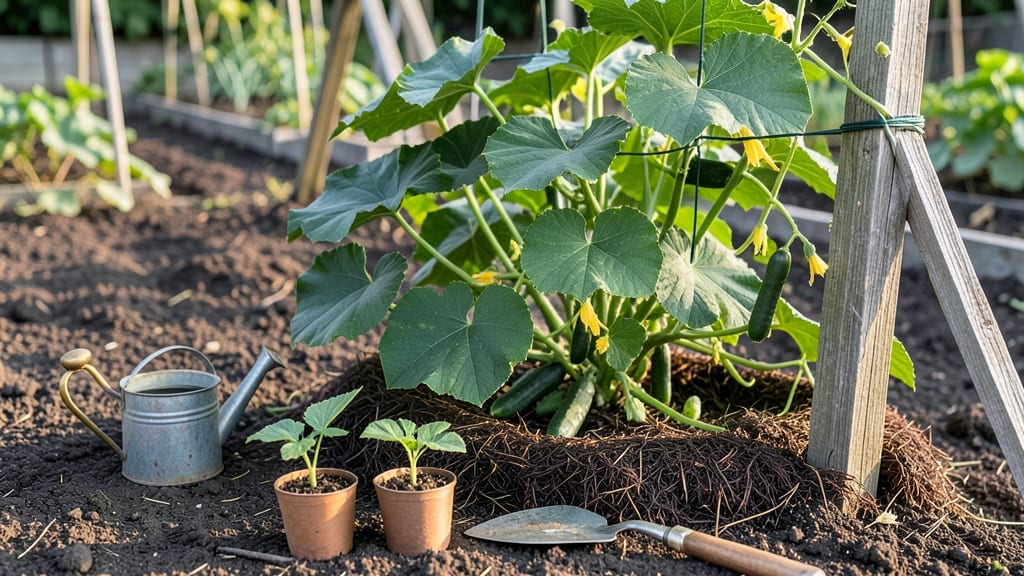
Planting cucumbers in Zone 9b isn't just about calendar dates—it's about outsmarting the heat to avoid that heartbreaking bolting before your 🥒 even gets a chance to grow.
Here's the secret: soil temperature matters more than the date on your calendar. Too early, and your cucumbers bolt before they bear fruit. Too late, and summer's scorching heat turns your garden into a sauna.
I'll show you exactly when to plant for maximum yield, whether you're growing in containers or directly in the ground.
We'll cover the ideal soil temps (spoiler: it's not what you think), how to stretch your harvest window without triggering bolting, and which cucumber varieties actually thrive in Zone 9b's extreme conditions. No more wasted seeds—just crisp, homegrown cucumbers all season long.
Ready to beat the heat and grow cucumbers that actually produce? Let's dive into the timing tricks that'll change your garden game this spring.

Optimal cucumber planting times in Zone 9b by soil temperature
In Zone 9b, where summer temperatures can soar above 95°F, timing your cucumber planting by soil temperature—not just calendar dates—is the key to avoiding bolting and maximizing yields.
Cucumbers thrive when soil temperatures hover between 55°F and 65°F, a range that aligns with late winter to early spring in most Zone 9b regions like Phoenix or San Diego. Planting too early in cool soils stunts growth, while waiting too long risks summer’s brutal heat.
Direct sowing is ideal once soil consistently reaches 60°F, typically around late February to early March. For transplants, aim for 55°F soil, which may be as early as mid-February in microclimates with warmer soil.
Heat-tolerant varieties like 'Straight Eight' and 'Lemon Cucumber' can handle late-season plantings, but even they struggle when soil exceeds 85°F.
| Planting Method | Optimal Soil Temp | Best Months (Zone 9b) | Heat-Tolerant Varieties |
|---|---|---|---|
| Direct Sowing | 60°F+ | Late Feb–Early Mar | 'Straight Eight', 'Marketmore' |
| Transplanting | 55°F+ | Mid-Feb–Early Apr | 'Lemon Cucumber', 'Armenian' |
| Late-Season Planting | 65°F–75°F | Aug–Sep (with shade) | 'Diva', 'Sweet Success' |
For direct sowing, wait until soil temperatures stabilize at 60°F or warmer. Use a soil thermometer to check in the morning—this is the most accurate way to avoid bolting. In sandy soils, which heat up faster, you may need to wait until early March to avoid stressing seedlings.
If your soil is clay-based, it retains heat longer, so late February could work.
Transplanting offers flexibility, as you can start seeds indoors when soil is still cool (55°F) and move them outdoors once temperatures rise. This method is perfect for Zone 9b gardeners who want to beat the summer heat.
Harden off seedlings for 7–10 days before transplanting to reduce shock, especially if moving from a cooler indoor environment to a 75°F+ outdoor microclimate.
Heat-tolerant varieties like 'Straight Eight' and 'Lemon Cucumber' are my go-to choices for late-season plantings in August or September. These varieties can handle soil temperatures up to 75°F and air temperatures near 90°F, but they still perform best with shade cloth (30–50% coverage) to prevent bolting.
Pair them with drip irrigation to keep roots cool and consistent.
One common mistake in Zone 9b is planting cucumbers in peak summer (June–July) without protection. Soil temperatures can exceed 90°F, causing roots to shut down. Instead, focus on fall plantings when soil cools slightly, or use black plastic mulch to regulate temperature.
This simple trick can lower soil temps by 5–10°F, making a huge difference in yield.
If you’re growing cucumbers in containers, soil warms up faster than in-ground beds. Monitor soil temps closely and avoid planting until it reaches 65°F—even then, use lightweight containers that won’t overheat.
For in-ground beds, amend soil with compost to improve moisture retention, which helps cucumbers handle Zone 9b’s intense sun.
Pro tip: Succession planting every 2–3 weeks from February to April ensures a steady harvest. This works especially well with bush varieties, which mature faster and handle heat slightly better than vining types.
For example, 'Bush Champion' can produce fruit in just 50 days, giving you an edge in the Zone 9b growing season.
Remember, cucumbers are 95% water, so consistent moisture is critical. In Zone 9b’s dry heat, water deeply every 1–2 days in summer, focusing on the root zone to avoid fungal diseases.
Mulch with straw or grass clippings to retain moisture and keep roots cool—this is non-negotiable in our climate.
By aligning your planting with soil temperature thresholds and choosing the right varieties, you can enjoy a 6-month cucumber harvest in Zone 9b—from spring to fall. The secret? Patience and precision with timing. 🥒
How to extend your cucumber season without triggering bolting
Extending your cucumber harvest in Zone 9b isn't just about planting early—it's about creating the right conditions to keep your plants productive for months. Bolting (when cucumbers flower and produce seeds prematurely) is the biggest threat, but with smart strategies, you can enjoy fresh 🥒 cucumbers from spring through fall.
In my Zone 9b garden, I've learned that manipulating microclimates and using seasonal tools can push harvest windows to 6 months or longer. The key is balancing shade, mulching, and succession planting to keep plants happy without triggering stress responses.
- 🌡️ Spring Planting (Feb-Mar): Start seeds when soil hits 60°F+ using black plastic mulch to warm soil faster. Use 30% shade cloth if temps exceed 85°F.
- 🌿 Summer Survival (Jun-Aug): Install 50% shade cloth by 10 AM to block peak sun. Water deeply at soil level (not overhead) to prevent heat stress.
- 🌱 Fall Extension (Sep-Oct): Plant heat-tolerant varieties like 'Straight Eight' when daytime highs drop below 90°F. Use row covers for frost protection (though Zone 9b rarely sees frost).
- ⏰ Succession Planting: Sow new seeds every 2 weeks from March through October. Space plants 12-24 inches apart to maximize yield per square foot.
- 💧 Watering Hack: Install drip irrigation on a timer for early morning watering (4-6 AM). Keep soil consistently moist but never soggy to prevent bolting.
One of my biggest mistakes was waiting until April to plant cucumbers, only to see them bolt by June when temperatures soared. Now, I start my first batch in late February using black plastic mulch to accelerate soil warming.
This gives me a 2-week head start before the real heat arrives.
For summer planting, I swear by 50% shade cloth—it reduces soil temperatures by 10-15°F and keeps my cucumbers producing through August when unprotected plants would give up.
I also mulch heavily with straw to retain moisture and cool roots. This combo lets me harvest 🥒 cucumbers until October in most years.
Don't forget about succession planting. Instead of one big planting, I make small batches every 2 weeks from March through October. This ensures a continuous harvest and prevents any single plant from getting overwhelmed by heat or pests.
In my 5x10 ft raised bed, this strategy gives me enough cucumbers to share with neighbors all season!
Pro tip: If you notice your cucumbers flowering but not fruiting, it's a sign of heat stress. At that point, I switch to heavier shade (70%) and increase watering frequency to every other day. This often brings production back within 1-2 weeks.