
Plants
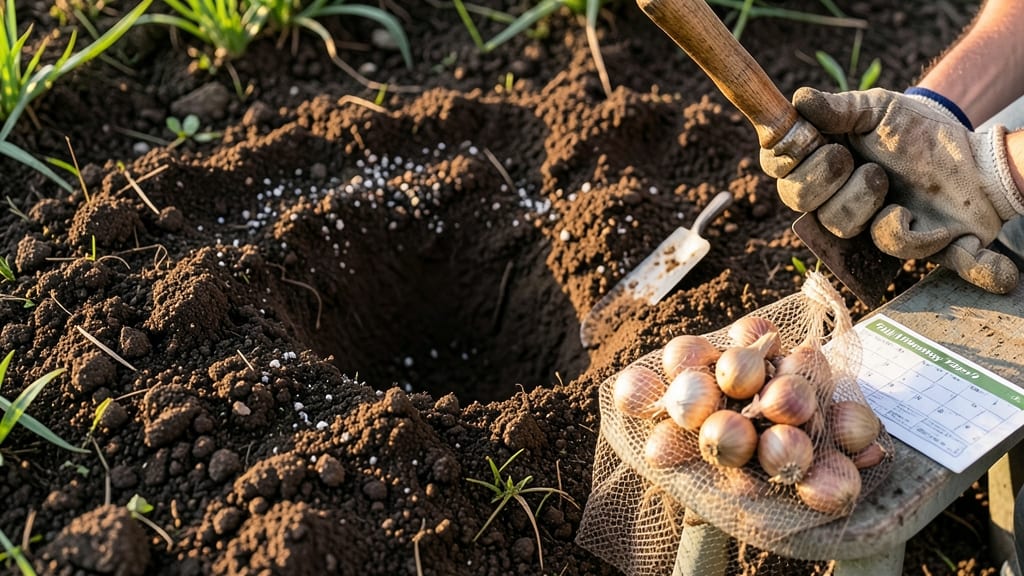
Planting your 🌼 daffodil bulbs at the right time in California can make all the difference between a showstopping spring display and a disappointing flop.
Here's the thing: coastal areas like San Diego and Santa Barbara have completely different timing needs than inland spots like Sacramento or Fresno. The 6-8 week window before your first frost is critical, but figuring out when that frost actually hits depends on where you live.
In this guide, I'll walk you through exactly when to plant in your specific zone—whether you're in the mild coastal 9-11 regions or the cooler inland 8-10 areas. You'll learn how to adjust for microclimates, soil prep secrets, and even how to handle those tricky late-fall rains.
By the end, you'll know exactly when to get those bulbs in the ground for vibrant blooms next spring, no matter which part of California you call home. Let's get started!
California daffodil planting calendar: coastal vs inland months explained
Timing your daffodil bulb planting in California depends entirely on whether you're in coastal or inland regions. Coastal areas like San Francisco (USDA Zone 9-10) enjoy milder winters, while inland valleys like Sacramento (Zone 8-9) face colder temperatures and earlier frosts.
Planting too early or late can result in bulbs rotting or blooms appearing too late—neither of which we want! The key is understanding your last frost date and soil temperature trends.
For coastal California, where winters rarely drop below 40°F, your planting window stretches from October through December. Inland areas, however, need to plant 6-8 weeks before the first frost, typically between mid-September and November.
This timing ensures bulbs establish roots before winter dormancy. Let’s break down the exact months and what to watch for in each region.
🌱 PRO TIP: Use a soil thermometer to confirm 60°F soil temperatures—this is the ideal range for daffodil bulb planting. Coastal soils stay warmer longer, while inland soils cool faster.
| Region | USDA Zone | Optimal Planting Months | Last Frost Date | Soil Temp Goal |
|---|---|---|---|---|
| Coastal (e.g., San Francisco, Santa Barbara) | 9-11 | October–December | December 1–January 15 | 60–70°F |
| Inland Valleys (e.g., Sacramento, Fresno) | 8-10 | Mid-September–November | November 15–December 15 | 55–65°F |
| Desert (e.g., Palm Springs, Joshua Tree) | 10-11 | November–January | December 1–January 31 | 65–75°F |
If you’re in coastal California, aim to plant daffodil bulbs between October and December. The mild winters mean you won’t face early frosts, giving you flexibility. For example, San Diego gardeners can plant as late as January in some microclimates, but November is ideal for most areas.
The goal is to get bulbs in the ground before soil temperatures drop below 60°F, which can stunt root growth.
Inland areas like the Central Valley or foothills require earlier planting. Mid-September through November is your window here, with October being the sweet spot. These regions experience colder nights and earlier frosts, so bulbs need time to establish roots before winter sets in.
For instance, Fresno’s last frost often occurs around November 15, so planting by October 15 ensures bulbs are snug and ready for dormancy.
Don’t overlook microclimates—even within a city, frost timing can vary. Urban areas like Los Angeles might have pockets where frost never occurs, while nearby hills could see light frosts by December.
Use local weather station data or ask neighbors with established gardens for their first frost observations. This local knowledge can save your bulbs from freeze damage or rot.
For desert regions, like Palm Springs or Joshua Tree, the rules shift again. Here, November through January is prime time because the soil stays warm longer.
The lack of frost means you can plant later, but avoid summer planting—the extreme heat can cause bulbs to dry out or sprout prematurely. Instead, wait until temperatures cool slightly in fall.
🌿 ACTION STEP: Mark your calendar for 6-8 weeks before your area’s first frost. If you’re unsure, err on the earlier side—bulbs can wait in cool, dry storage for a few weeks if needed, but they cannot recover from frost damage once planted.
One common mistake is planting daffodils too deep in an attempt to protect them from cold. While 4-6 inches deep is ideal, inland gardeners sometimes bury bulbs 8 inches deep—this can actually prevent blooming because the bulb struggles to push through the soil.
Stick to the 6-inch rule unless you’re in a high-frost zone, where 7 inches might be necessary.
Finally, consider bulb variety. Some daffodils, like ‘Ice Follies’ or ‘Tête-à-Tête’, are more cold-hardy and can handle Zone 5 conditions, making them great for inland areas. Others, like ‘Paperwhite’ daffodils, thrive in warmer coastal climates and may not bloom reliably in colder zones.
Choose bulbs suited to your USDA zone and microclimate for the best results.
5 Critical factors that determine your perfect planting time
Planting daffodil bulbs in California requires more than just picking a month—it’s about understanding your local growing conditions. Soil temperature is the first critical factor, as daffodils need cool soil (50-60°F) to root before winter dormancy.
Coastal areas like San Francisco hit this zone earlier than inland valleys like Sacramento, where colder nights delay planting by weeks.
Next, consider your region’s rainfall patterns. Coastal zones receive steady moisture, while inland areas may need supplemental irrigation. Elevation also plays a role: higher elevations (like the Sierra foothills) have cooler soils and longer frost seasons, pushing planting windows later into fall.
Microclimates create even more variation—urban heat islands in Los Angeles can make soil warm faster, while sheltered gardens in Santa Barbara may stay cooler longer. Finally, bulb varieties matter: early-blooming types like Tête-à-Tête need planting sooner than late varieties like Ice Follies.
- 🌡️ Soil Temperature: Plant when soil drops to 50-60°F—coastal areas (Oct-Nov) vs inland (Nov-Dec). Use a soil thermometer for accuracy.
- 🌧️ Rainfall Patterns: Coastal: plant in October-November (natural moisture). Inland: water deeply post-planting; aim for December-January.
- ⛰️ Elevation Adjustments: Below 1,000ft: October-November. Above 3,000ft: November-December (later frost risk).
- 🌿 Microclimates: Urban areas? Plant 2-3 weeks later than rural zones. Shady spots may need earlier planting (soil stays cooler).
- 🌼 Bulb Variety: Early bloomers (Tête-à-Tête): September-October. Late bloomers (Ice Follies): November-December.
For coastal California, aim to plant daffodil bulbs between mid-October and November, when daytime temps hover around 70°F but nights dip into the 50s. In inland valleys, wait until late November or December—soil stays warmer longer, and frost arrives earlier.
Pro tip: Use a planting calendar that accounts for your USDA zone. Zone 9-11 (coastal) gardeners can plant as late as early December, while Zone 8 (Central Valley) should finish by mid-November to avoid winter damage.
Remember, daffodils thrive when planted 6-8 weeks before the first frost.
Check your local frost date (e.g., December 15 in Zone 8 vs. November 1 in Zone 10) and work backward. Bulb depth (4-6 inches) and well-draining soil are just as critical as timing—don’t overlook these for perfect spring blooms! 🌼